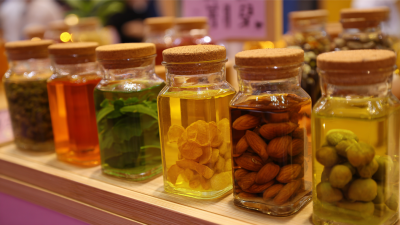
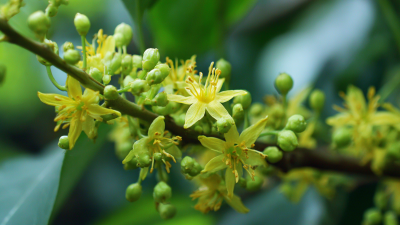
Global buyers are walking into 2026 with a much stronger appetite for botanical ingredients they can actually trace, verify, and back up with evidence. Grand View Research put the global herbal supplements market at around USD 93.4 billion back in 2023, and it expects that growth to keep rolling through 2030. That's a big opportunity, no doubt. Still, numbers like these don't guarantee quality on the shelf or in the bottle.
The Herbal Extract category has also grown way beyond simple powders. You've got standardized powders, liquid concentrates, softgel ingredients, and clean-label formulations all in the mix. Buyers usually look at botanical identity, active-marker levels, extraction solvents, shelf life, and contamination controls. The World Health Organization's Global Traditional Medicine Strategy 2025–2034 puts quality, safety, evidence, and responsible integration into healthcare systems front and center. That direction matters—especially for manufacturers and importers.
Some numbers, though? They're still tough to compare. Market reports don't always define 'Herbal Extract' the same way, and that's a real weakness. Grand View Research, Euromonitor International, and MarketsandMarkets all use different categories, regions, and forecasting methods. So responsible buyers should check the original methodology before comparing growth rates. Small details matter. A certificate of analysis should match the batch number, plant part, extraction ratio, and testing laboratory. Supplier audits should also review pesticide residues, heavy metals, microbial limits, and traceability records.
This guide looks at 2026's leading Herbal Extract types for global buyers. It weighs sourcing practicality, formulation use, documentation, and scientific support. Examples include turmeric, ashwagandha, milk thistle, ginseng, green tea, and Ginger Extracts. Selection should reflect your intended market and application—not just whatever trend volume is hot. Regulatory requirements also differ by country. A reliable supplier can explain those differences clearly, without promising impossible outcomes.
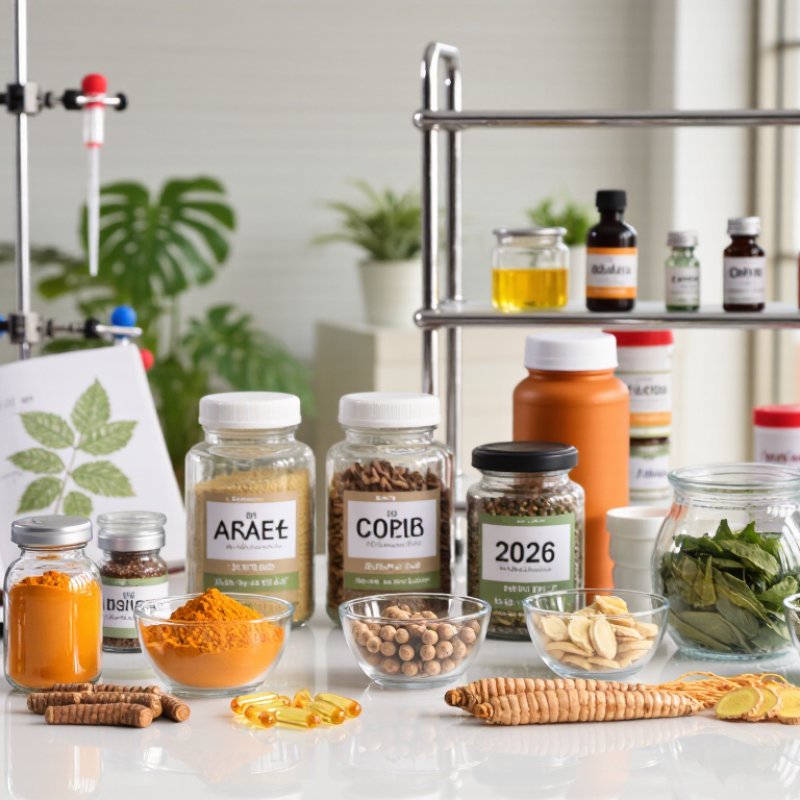
2026 Ranking Framework: Revenue, CAGR, and Trade Data by Extract Type
2026 Top Herbal Extract Types for Global Buyers
The 2026 ranking should measure commercial strength, not online popularity alone. Natural Herbal Extract buyers need evidence from revenue, CAGR, and international trade flows. Revenue shows market scale, while CAGR reveals momentum across 2022–2025. Trade data adds a practical view of shipment volume, customs value, and sourcing activity.
A balanced framework can assign 40% to revenue, 30% to CAGR, and 30% to trade performance. Types with strong sales and repeated shipments may rank above fast-growing niche extracts. However, customs codes can combine several ingredients, creating imperfect comparisons. Buyers should check product specifications, extraction ratios, origin documents, and recent laboratory reports. A shipment increase may reflect seasonal purchasing, not lasting demand. That distinction matters.
Tips: Compare at least three data sources before approving a supplier. Review invoices, lot numbers, moisture results, and contaminant testing. Ask whether the quoted CAGR uses nominal or inflation-adjusted revenue. Keep a written scoring sheet. It exposes weak assumptions. My own ranking would also record data gaps, because unavailable evidence should reduce confidence, not disappear from the analysis. A low-volume extract with clean traceability may suit a regulated formulation better than a cheaper, high-volume option. Trade statistics rarely explain that difference.
Adaptogens: Ashwagandha and Rhodiola—Clinical Evidence and Demand Data
2026 Top Herbal Extract Types for Global Buyers
Adaptogens: Ashwagandha and Rhodiola—Clinical Evidence and Demand Data
Ashwagandha and Rhodiola remain strong adaptogen candidates for global buyers. Clinical studies suggest Ashwagandha may support perceived stress, sleep quality, and healthy cortisol responses. Some trials also report improvements in exercise recovery. However, study sizes remain modest. Extract ratios and withanolide levels differ widely.
Rhodiola has been studied for temporary fatigue, mental performance, and stress resilience. Results appear promising, but they are not uniform. Preparation methods, dosage, and participant health can influence outcomes. The evidence is useful, not conclusive. Buyers should avoid presenting either herb as a guaranteed treatment.
Demand signals are visible in ingredient inquiries, supplement launches, and online search activity. Procurement teams increasingly request standardized extracts, contaminant testing, traceable farming records, and stability data. For Ashwagandha, buyers often examine withanolide consistency. For Rhodiola, salidroside and rosavin profiles may matter. Details matter.
Quality gaps still deserve attention. A clear certificate of analysis does not replace independent verification. Botanical identity, heavy-metal screening, microbial limits, pesticide checks, and batch-to-batch consistency should be reviewed. Regional rules also differ. Marketing claims need careful local assessment. One practical concern remains: high demand may encourage rushed sourcing, while clinical credibility depends on patient, transparent quality control.
Botanical Antioxidants: Turmeric and Grape Seed—Marker Compound Benchmarks
2026 Top Herbal Extract Types for Global Buyers
Turmeric and grape seed extracts remain strong botanical antioxidant choices for international buyers. HerbalGram’s 2023 U.S. Herbal Supplement Market Report placed turmeric among leading botanical categories. Demand, however, does not prove quality. Buyers should examine marker compounds, not only plant names.
For turmeric, curcuminoids are the central benchmark.
Many commercial specifications target 95% total curcuminoids, measured by HPLC. The United States Pharmacopeia and AOAC guidance support identity, assay, and contaminant testing. A 95% claim can still mislead. Different laboratories may use different reference standards or sample preparations. Procurement teams should request chromatograms, batch-specific certificates, and stability data. Curcuminoid ratios also matter, especially when comparing conventional and enhanced extracts.
Grape seed extract requires equal caution.
Oligomeric proanthocyanidins, or OPCs, are commonly listed near 95%, but DMAC and HPLC results are not always interchangeable. The International Organization for Standardization and analytical literature have highlighted method sensitivity in polyphenol testing. Dark powder is not proof of potency. Buyers should check grape variety, extraction solvent, residual solvent limits, and moisture content. The same discipline applies to Herbal Extract Tribulus, where a botanical label cannot replace validated marker testing. In practical audits, the weakest detail is often the simplest one: an incomplete certificate of analysis.
Digestive Extracts: Milk Thistle and Ginger—Standardization and Import Data
Global buyers are paying closer attention to digestive herbal extracts in 2026. Milk thistle and ginger remain practical choices for supplements and functional foods. Their commercial value depends on measurable compounds, not simply plant names.
Milk thistle extracts are commonly assessed by total silymarin content. Buyers should request the tested percentage, extraction solvent, plant part, and assay method. HPLC results offer stronger evidence than a general “high potency” statement. Ginger extracts often use gingerols or total pungent compounds as quality markers. The specification should identify fresh or dried rhizome, extraction ratio, moisture, and microbial limits. Small details matter.
They really do.
Import data can reveal seasonal supply changes, declared quantities, origin countries, and recurring customs classifications. However, shipment records may combine powders, extracts, and unrelated plant materials under broad codes. I would compare at least three data sources before estimating market demand. A low declared value may reflect different concentration levels, not poor quality. Certificates of analysis, traceability records, and contaminant testing should support every serious comparison. Buyers also need to check packaging conditions, especially after long sea transport in warm, humid containers.
Standardization is useful, but it is not perfect. A single marker cannot describe every biological feature of an extract. This is where careful review matters. Supplier interviews, batch samples, and independent laboratory checks can expose gaps that spreadsheets miss. Data helps narrow the search; disciplined verification supports the final purchase.
Immune Botanicals: Echinacea and Elderberry—Clinical and Dosage Evidence
2026 Top Herbal Extract Types for Global Buyers
Echinacea and elderberry remain popular immune botanicals, but clinical evidence needs careful reading. Echinacea studies suggest a modest reduction in cold duration for some adults. Prevention results remain inconsistent. Extract species, plant parts, extraction methods, and doses differ widely. Therefore, one trial cannot represent every commercial product.
Elderberry has shown possible benefits for upper respiratory symptoms in several small studies. Some trials used approximately 15 mL of syrup four times daily for a short period. This dosage should not become a universal recommendation. Concentration, formulation, and quality control can change the actual intake. Evidence is promising, not definitive. More large, independently funded trials are still needed.
Use standardized products with clear botanical identity and testing records. Raw or improperly prepared elderberry materials may cause nausea, vomiting, or diarrhea. Echinacea may concern people with daisy-family allergies or certain immune conditions. Both botanicals can require professional review during pregnancy, breastfeeding, or prescription treatment. Ask a qualified healthcare professional.
Small details matter.
Global buyers should request certificates of analysis, marker-compound data, contaminant testing, and stability information. They should also check whether the studied extract matches the supplied material. This is often overlooked. Evidence can weaken when a clinical dosage is copied onto a different extract. My practical view is cautious: these botanicals may support short-term respiratory care, but they should not replace diagnosis, vaccination, or prescribed treatment.
Quality Standards: USP, Ph.Eur., ISO 22000, and Contaminant Limits
For global buyers, Raw Herbal Extract quality begins with identity, not appearance. WHO reports that 170 of 194 Member States use traditional and complementary medicine. This scale increases pressure on reliable botanical authentication. USP monographs may define identity, purity, strength, and testing methods. Ph.Eur. monographs add official requirements for selected herbs and preparations. Buyers should compare the exact plant part, extraction ratio, marker compounds, and solvent system.
ISO 22000 focuses on food safety management across the supply chain. It supports hazard analysis, traceability, corrective actions, and supplier control. However, ISO 22000 certification does not prove that every batch meets botanical specifications. That distinction matters. Request batch-specific results for microbial counts, heavy metals, pesticides, aflatoxins, residual solvents, and undeclared pharmaceutical substances. EFSA’s European monitoring data has shown that over 96% of tested food samples comply with pesticide limits, yet herbal extracts can require more targeted screening.
Contaminant limits differ by destination market and plant material. European buyers may check limits under current EU contaminant and pesticide rules, while other markets apply USP, national, or buyer-specific criteria. A complete certificate of analysis should state methods, detection limits, laboratory accreditation, and sampling dates. The weak point is often sampling. One clean sample cannot represent poorly mixed powder or moisture pockets. Suppliers should retain reference samples and document chain of custody. Some specifications remain unnecessarily vague, and buyers should challenge them.
Global Buyer Checklist: Extraction Method, MOQ, Certificates, and Traceability
Global buyers should assess every Herbal Extract through a practical evidence trail.
WHO’s Global Report on Traditional and Complementary Medicine states that 170 countries use traditional medicine. That scale increases sourcing pressure. Ask whether the supplier controls farming, harvesting, drying, and extraction records.
Extraction method affects potency, residues, and shelf life. Water and ethanol methods may suit different botanical compounds. Supercritical extraction can reduce solvent concerns, but it may increase cost. Request the plant part, solvent ratio, extraction temperature, marker compounds, and residual-solvent results. Do not compare prices without these details. A lower price may reflect weaker testing.
MOQ needs a written breakdown. Request sample quantities, trial-order MOQ, production MOQ, lead time, and packaging options. Small trial lots help verify color, odor, solubility, and laboratory results. Certificates should include GMP, HACCP, ISO 22000, organic status where applicable, and a current certificate of analysis. WHO estimates 600 million foodborne illness cases annually, showing why microbiological and contaminant testing matters. A certificate can still hide a weak audit trail. I would not treat a polished PDF as proof.
Traceability should reach the farm or approved collection site. Record batch number, harvest date, geographic origin, drying conditions, extraction date, and testing laboratory. Independent testing is preferable for pesticides, heavy metals, microbes, and adulteration markers. One supplier may offer perfect paperwork but vague origin data. That gap deserves attention.
FAQS
Echinacea may modestly shorten colds for some adults. Prevention findings remain inconsistent. Results vary by species, plant part, extract, and dose. One study cannot represent every product. Small details matter.
Several small studies suggest possible relief of upper respiratory symptoms. The evidence is promising, not definitive. More large, independent trials are needed. Do not treat one dosage as universal advice.
Some trials used about 15 mL of syrup four times daily. This was for a short period. Concentration and formulation can change the actual intake. Professional guidance is safer than copying a study.
Improperly prepared elderberry materials may cause nausea, vomiting, or diarrhea. Echinacea may concern people with daisy-family allergies. Certain immune conditions also require caution. Pregnancy, breastfeeding, and prescription treatment need professional review.
Request a current certificate of analysis, marker-compound data, and contaminant results. Ask for stability information and testing records. Useful certificates may include GMP, HACCP, ISO 22000, and organic status where applicable. A polished PDF is not proof.
Water and ethanol extraction may suit different botanical compounds. Supercritical extraction can reduce solvent concerns but may cost more. Request solvent ratios, extraction temperature, plant parts, and residual-solvent results. Price alone explains little.
Request sample quantities, trial-order MOQ, production MOQ, lead time, and packaging choices. Small trial lots help check color, odor, solubility, and laboratory results. Trial orders reduce uncertainty. They do not remove it.
Records should reach the farm or approved collection site. Check the batch number, harvest date, origin, drying conditions, and extraction date. Confirm the testing laboratory and independent contaminant testing. Vague origin data deserves attention. This checklist is useful, but not perfect.
Conclusion
This guide presents a practical 2026 ranking framework for global buyers evaluating Herbal Extract categories by revenue potential, CAGR, and international trade activity. It compares adaptogens such as ashwagandha and rhodiola through clinical evidence and demand indicators, while reviewing turmeric and grape seed extracts through marker-compound benchmarks. Digestive extracts, including milk thistle and ginger, are assessed for standardization requirements and import considerations. Immune botanicals such as echinacea and elderberry are discussed in relation to available clinical research, appropriate dosage evidence, and responsible product positioning.
The article also explains key quality expectations, including USP, Ph.Eur., ISO 22000, and contaminant-limit compliance. A buyer-focused checklist covers extraction methods, minimum order quantities, certificates of analysis, batch consistency, supplier documentation, and end-to-end traceability. Together, these criteria help international purchasers compare suppliers objectively, reduce sourcing risks, and select extracts that meet technical, regulatory, and commercial requirements across different markets.