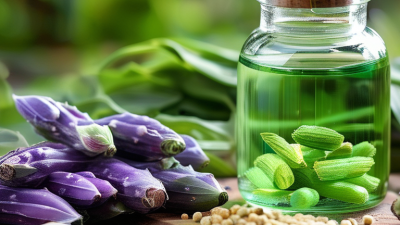
Sourcing Gentiopicroside Powderin bulk? It’s not just about finding the cheapest supplier. Gentiopicroside is a bitter secoiridoid glycoside that mostly comes from Gentiana species. But its concentration isn’t fixed—it can shift depending on the species, when it’s harvested, which plant part is used, how it’s dried, and what solvent is used for extraction. That’s a big deal.
You won’t often see public market reports break out a separate global figure for Gentiopicroside Powder. Usually, reports from Grand View Research and MarketsandMarkets fold it into botanical extracts and herbal ingredients. Still, the bigger picture points to steady demand for standardized plant compounds, especially for nutraceutical, pharmaceutical, and research uses. The World Health Organization’s Global Traditional Medicine Strategy 2025–2034 also puts weight on quality, safety, evidence, and traceability. Honestly, those are exactly the things that should guide every bulk purchase.
Dr. Jianbo Xiao, a well-published natural-products researcher, once put it plainly: “Authentication and standardization are essential for reliable phytochemical use.” Simple sentence—but the purchasing side gets complicated fast. You’ll want botanical identification, extraction details, HPLC chromatograms, assay results, and batch-specific certificates of analysis. And don’t stop there: pesticides, heavy metals, microbial limits, residual solvents, and stability testing all matter too. A sample that looks clean doesn’t tell the whole story. I’ve learned that supplier promises can sound very precise while still leaving out the details that actually matter.
So ask: Is it from Gentiana scabra, Gentiana manshurica, or another accepted species? What’s the marker percentage, and how was it tested? Check packaging, storage temperature, retest dates, and export paperwork as well. One small missed detail can throw off an entire production batch. Good sourcing may take longer, yes—but it helps protect formulation consistency, regulatory readiness, and long-term supplier relationships.
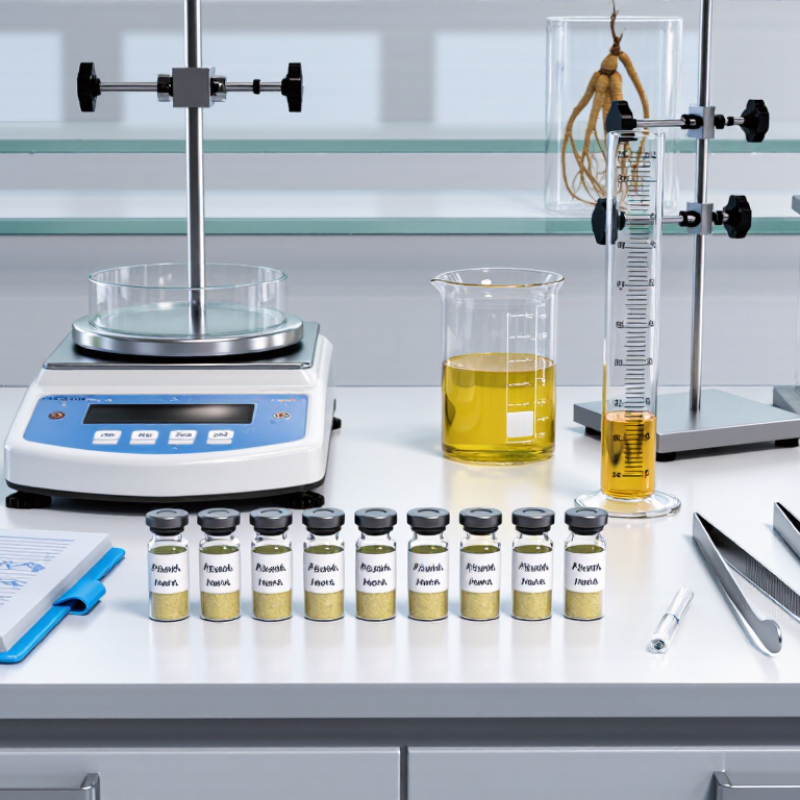
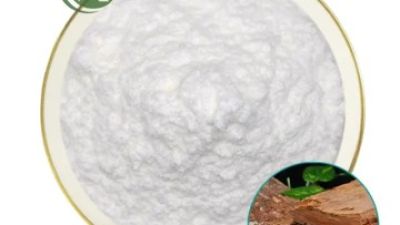
Gentiopicroside powder is a powdered botanical extract standardized for Gentiopicroside, an iridoid glycoside found mainly in Gentiana species. It is not the same as simply milling dried Gentiana roots. Extraction conditions, carrier materials, and drying temperatures can change its color, bitterness, and assay value. The 2020 Chinese Pharmacopoeia identifies Gentiopicroside as a quality marker for Gentianae Radix et Rhizoma and uses chromatographic testing for evaluation. Buyers should check the current monograph before setting specifications.
Its common applications include botanical research, traditional herbal formulations, nutraceutical development, and selected cosmetic formulas. Published phytochemical reviews, including reports in Molecules and Frontiers in Pharmacology, describe Antioxidant, anti-inflammatory, and digestive-related research findings. These findings do not automatically prove a finished product’s clinical effect. Some commercial descriptions still move faster than the evidence. That deserves caution.
For bulk sourcing, request a recent HPLC or UPLC chromatogram, assay percentage, plant species, extraction ratio, and complete batch traceability. A practical specification should also cover moisture, microbial limits, heavy metals, pesticides, and residual solvents. The 2023 WHO report on medicinal plant quality control emphasizes identity, contamination control, and reproducible testing. Ask for a representative sample, then compare it with the production lot. Powder can look consistent while its active-marker content varies considerably. A small pilot order is often wiser than a large purchase.
How to Source Gentiopicroside Powder in Bulk?
A reliable bulk purchase starts with clear product specifications, not a low quotation. Request the botanical source, plant part, extraction method, and gentiopicroside assay range. HPLC should confirm identity and content, preferably with a supplied chromatogram. Ask for the reference standard and testing method. Small details matter.
Set practical limits for moisture, total ash, heavy metals, pesticide residues, and microbial counts. Residual solvents also need documented control. A complete certificate of analysis should match the batch number on the drum. Check whether the powder is free-flowing, light-sensitive, and packed in sealed, food-grade liners. Request a retained sample before approving a full shipment. It may reveal caking or an unexpected odor.
Supplier qualification should include manufacturing records, traceability, stability data, and recent third-party test reports. Confirm annual capacity, minimum order quantity, lead time, and storage conditions. Be cautious with vague phrases such as “high purity.” Define the exact percentage and test basis. Search terms can create confusion, including “genistein powder,” “Sophora Japonica Extract wholesale genistein powder,” “genistein powder price china,” “genistein powder suppliers china,” “genistein powder manufacturers china,” and “genistein powder factory.” These describe genistein, not gentiopicroside. Recheck the chemical identity before comparing offers. Mistakes happen. A second review is worth the delay.
Key quality standards and product specifications for supplier qualification
Residual-solvent benchmarks: The chart shows ICH Q3C(R8) concentration limits commonly used when qualifying botanical extracts. Confirm the actual solvent process and test results with a current Certificate of Analysis.
Recommended RFQ specifications: Request botanical identity by HPLC or TLC, gentiopicroside assay of at least 98% by HPLC as a commercial buyer target, moisture typically not exceeding 5%, total ash typically not exceeding 5%, microbial testing, pesticide screening, heavy-metal testing, batch traceability, and stability or retest information. These product targets should be finalized according to the intended application and applicable local regulations.
Reference: ICH Q3C(R8) Impurities: Guideline for Residual Solvents. Commercial assay and general botanical-extract specifications are procurement benchmarks rather than universal pharmacopeial limits.
Reliable bulk sourcing of gentiopicroside powder begins with supplier verification, not a low quotation. Check whether the supplier can identify the plant species, plant part, extraction method, and production location. Request a recent certificate of analysis for the exact batch offered. It should show gentiopicroside content, testing methods, moisture, ash, residual solvents, heavy metals, pesticides, and microbial limits. Ask for HPLC chromatograms, not only a printed purity figure. Data should be traceable.
Ask for the sample.
Evaluate a representative sample before discussing large volumes. Compare its color, odor, flow, and test results with the specification you approved. A qualified supplier should explain differences between batches and provide documented corrective actions. Review packaging details too. Moisture-sensitive powder needs sealed inner bags, suitable outer protection, clear lot numbers, and controlled storage records. Poor labeling can create expensive confusion later.
Supplier audits can reveal more than polished documents. Examine quality procedures, calibration records, retention samples, and change-control practices. Confirm minimum order quantities, lead times, payment terms, and replacement policies for failed batches. Verify that shipping documents support lawful import, export, and intended use in your market. No supplier looks perfect. A delayed response is not automatic proof of poor quality, but repeated vague answers deserve caution. I would record every concern, even minor ones, then reassess the supplier after receiving the first commercial batch. Records matter. Reliability is demonstrated over time, not promised in a sales email.
| Evaluation Dimension | Recommended Bulk-Sourcing Benchmark | Documents, Tests, or Questions to Verify | Supplier Evaluation Guidance |
|---|---|---|---|
| Product identity | Gentiopicroside; CAS No. 20831-76-9; molecular formula C16H20O9; relative molecular mass approximately 356.33 g/mol. | Request the product specification, identity method, chromatographic reference standard information, and a representative certificate of analysis. | Required Reject materials identified only as “Gentiana extract” without a stated gentiopicroside specification. |
| Botanical source and plant part | The raw material should identify the Gentiana species, plant part used, country of origin, and extraction method. | Check botanical name, harvest or batch information, origin statement, plant-part declaration, and traceability records. | Required Prefer suppliers that can trace the material from raw botanical input to finished powder. |
| Assay specification | Use a clearly defined assay target, such as a stated minimum percentage of gentiopicroside by HPLC. The exact limit should match the intended application. | Confirm the analytical method, reference standard, chromatogram availability, reporting basis, and test date. Ask whether the result is calculated on an as-is or dry basis. | Required Do not compare quotations until assay basis and test method are standardized. |
| Identity and purity testing | A suitable chromatographic method, commonly HPLC or equivalent validated testing, should distinguish gentiopicroside from other iridoid glycosides. | Request a chromatogram, method summary, system suitability information, and details of laboratory qualification or accreditation. | Preferred Independent laboratory confirmation is advisable for the first commercial lot. |
| Contaminant control | Specifications should address heavy metals, pesticides, microbial limits, residual solvents, and aflatoxins where applicable to the intended market. | Review recent batch test results, test methods, detection limits, laboratory name, and compliance with the destination market’s requirements. | Required Set written acceptance limits before issuing a purchase order. |
| Moisture and physical quality | The powder should have a defined moisture or loss-on-drying limit, consistent appearance, controlled particle size, and no visible foreign matter. | Check specification limits for moisture, appearance, odor, particle size, bulk density, and foreign matter. Request a sample before bulk purchase. | Preferred Use a retained sample as the visual and physical reference for incoming inspection. |
| Solubility and formulation suitability | Confirm whether the powder is intended for aqueous, alcoholic, capsule, tablet, cosmetic, or research use; solubility and stability can vary with the formulation. | Ask for solubility data, pH-related behavior, recommended handling conditions, and compatibility information for the intended dosage form. | Preferred Request an application sample if the powder will be used in a finished formulation. |
| Manufacturing and quality system | The production site should operate documented GMP or equivalent quality procedures appropriate to the product’s intended use. | Review the quality manual, manufacturing flow, sanitation controls, deviation and CAPA procedures, change-control process, and audit history. | Required Prioritize transparent suppliers that permit a quality questionnaire or qualified audit. |
| Certificates and regulatory package | A commercial package should include a specification, certificate of analysis, safety data sheet, allergen statement, non-GMO statement where relevant, and country-of-origin information. | Check that documents are lot-specific, dated, signed or electronically approved, and consistent with the product label and purchase specification. | Required Incomplete or generic documents increase the risk of customs, quality, and release delays. |
| Packaging and storage | Use sealed, food- or pharmaceutical-suitable inner packaging with an outer shipping container. Protect the powder from moisture, heat, and excessive light. | Verify packaging material, net weight, tamper evidence, lot number, manufacture date, retest or expiry date, storage conditions, and transport controls. | Preferred Require packaging details and stability or retest information before approving long-term storage. |
| Sample and pilot order | Obtain a laboratory sample before committing to a production-scale purchase; a pilot lot should be tested against the approved specification. | Compare sample and bulk-lot COAs, assay results, appearance, moisture, contaminants, and packaging integrity. | Required Do not approve a bulk supplier solely from a website listing or quotation. |
| Typical order planning | Indicative planning ranges are often approximately 1–5 kg for evaluation quantities, 10–25 kg for pilot procurement, and 25 kg or more for regular bulk orders; actual MOQ depends on specification and production capacity. | Request MOQ, price breaks, production lead time, sample lead time, stock status, and whether the quoted material is made-to-order or from existing inventory. | Preferred Compare suppliers on cost per accepted kilogram, not only on the lowest quoted unit price. |
| Lead time and continuity | Lead time should include testing, documentation, production, packaging, and transportation. Botanical supply may vary by harvest, origin, and seasonal availability. | Ask for standard and expedited lead times, safety-stock policy, forecast requirements, alternate raw-material sources, and business-continuity arrangements. | Preferred Use a written supply agreement for recurring orders and define notification requirements for changes. |
| Commercial and logistics terms | The quotation should state grade, assay, pack size, MOQ, Incoterm, currency, payment terms, shipping method, insurance responsibility, and quote validity. | Check landed cost, customs classification support, export documents, shipping temperature requirements, and responsibility for loss or damage. | Required Use a comparable request-for-quotation template for every candidate supplier. |
| Final supplier decision | Select the supplier that provides the best combination of verified quality, documentation, traceability, continuity, service, and total landed cost. | Score candidates using weighted criteria, for example: quality and testing 35%, documentation 20%, supply continuity 15%, commercial terms 15%, logistics 10%, communication 5%. | Required Approve a primary supplier only after sample testing and quality review; consider a qualified backup source. |
Sourcing gentiopicroside powder in bulk starts with identity, not a low price. Ask for the botanical source, plant part, extraction solvent, and assay method. The certificate of analysis should show gentiopicroside content, moisture, ash, residual solvents, microbial limits, and heavy metals. Request batch and lot numbers. Match each result with the shipped drum.
Do not accept a generic herbal extract certificate. It is not enough. A credible supplier should provide HPLC chromatograms, testing dates, reference standards, and laboratory qualifications. Independent testing can confirm the supplier’s results, especially before a large purchase. Check whether samples come from the same production batch. Small differences matter.
Production practices deserve equal attention. Review sanitation records, traceability procedures, allergen controls, and change-control policies. Ask how operators prevent cross-contamination between botanical extracts. Inspect the packaging: sealed inner bags, moisture protection, clear labels, and storage conditions. The manufacturing site should explain its quality system without evasive language.
Search results may create confusion. The phrase “Pure Curcumin Powder Turmeric Extract Powder High Curcumin Turmeric Berberin Hcl” combines unrelated ingredient terms and should not replace a gentiopicroside specification. Confirm the scientific name, marker compound, and intended grade. A practical mistake is relying on polished documents without checking the sample. I would still re-test a retained sample, because paperwork can be correct while one shipment is inconsistent.
Bulk sourcing starts with a clear comparison of price, minimum order quantity, packaging, and lead time. Ask suppliers to quote the same assay range, mesh size, and testing requirements. A low price may reflect lower purity or incomplete documentation. Request a recent certificate of analysis, HPLC results, moisture data, and microbial testing for each batch.
Minimum orders often vary by production scale. Pilot buyers may find offers from one to five kilograms, while standard production orders can begin near 25 kilograms. Confirm whether the quoted price includes testing, inner liners, and export packaging. Foil-lined bags protect smaller quantities from moisture, while sealed fiber drums suit larger shipments. Add labels showing batch number, net weight, production date, and storage conditions.
Lead times deserve careful attention. A stocked batch may ship within one or two weeks, but custom testing or new production can take four to eight weeks. Confirm the schedule in writing, including sample approval and transit time. I have seen buyers compare only the unit price and overlook repeated testing costs. That assumption can fail. A slightly higher quote may offer stronger traceability, better packaging, and fewer delays. Keep a small reserve for quality checks and unexpected production changes.
Sourcing gentiopicroside powder begins with regulatory verification. Requirements differ across countries and intended uses. Ask a qualified regulatory consultant to review your application before placing a large order. Request a current certificate of analysis for each production lot. It should identify gentiopicroside, assay strength, moisture, heavy metals, pesticides, microbes, and residual solvents. Confirm the testing laboratory’s qualifications and methods. A polished document is not enough. Check whether the batch number matches the packaging and invoice.
Shipping details can prevent costly delays. Request a commercial invoice, packing list, safety data sheet, certificate of analysis, and origin information. Confirm the correct customs classification with an experienced broker. Packaging should use sealed inner bags, a rigid outer carton, and clear lot labeling. Ask about transit temperature and humidity limits. Keep product names separate; Rosmarinic Acid Powder must never be substituted or listed as gentiopicroside powder.
Storage and purchasing terms need equal attention. Store the material in a cool, dry, dark area with controlled humidity. Use sealed containers and record opening dates. Specify minimum assay, acceptable moisture, shelf life, sampling rights, and replacement terms in the purchase agreement. Request a small sample before approving bulk production. This takes time. It can expose poor flow, unusual color, or inconsistent assay. I have seen buyers focus on price and overlook retesting costs. That decision often creates avoidable waste. Check the proposed minimum order quantity against realistic consumption, not optimistic forecasts.
Natural Pure Yohimbine Hydrochloride Powder is gaining attention in the botanical extract and specialty ingredient markets as demand grows for plant-derived products supporting male wellness and sports nutrition. Industry analyses from Grand View Research and IMARC Group indicate continued interest in herbal supplements, standardized extracts, and functional ingredients with traceable sourcing. Derived from yohimbe bark, this powder is available in specifications containing 8% or 98% Yohimbine Hydrochloride, providing flexibility for formulation, research, and ingredient applications subject to local regulations.
The product appears as a white to brown powder and is tested by HPLC for identity and potency. With a CAS number of 65-19-0, it is offered as a natural, non-additive, non-GMO ingredient treated by heat only. GMP, ISO9001, ISO22000, HACCP, KOSHER, and HALAL certifications can support quality assurance and international supply-chain requirements. A two-year shelf life, together with applications in healthcare supplements, herbal extracts, and pharmaceutical-ingredient development, may appeal to manufacturers seeking consistent botanical materials. Because yohimbine products can be subject to different regulatory requirements worldwide, buyers should confirm permitted uses, labeling standards, dosage controls, and documentation before commercial development.
It is a botanical extract standardized for gentiopicroside, an iridoid glycoside. It is not simply milled Gentiana root. Extraction and drying can affect color, bitterness, and assay strength.
Common uses include botanical research, traditional herbal formulations, nutraceutical development, and selected cosmetic formulas. Research explores antioxidant, anti-inflammatory, and digestive-related properties. These findings do not prove finished-product effectiveness.
Request a current certificate of analysis for the exact production batch. It should include assay, moisture, microbes, heavy metals, pesticides, and residual solvents. Ask for an HPLC or UPLC chromatogram. A purity number alone is weak evidence.
Compare the sample’s color, odor, flow, and test results with approved specifications. Check whether its lot number matches the documents. Then compare it with the commercial batch. Powder can look uniform while marker content varies.
Verify the plant species, plant part, extraction method, and production location. Review quality procedures, calibration records, retention samples, and change-control practices. Repeated vague answers deserve caution. No supplier looks perfect.
Use sealed inner bags, rigid outer protection, and clear lot labels. Store the powder in a cool, dry, dark area with controlled humidity. Record container opening dates. Moisture can quietly damage consistency.
Typical documents include a commercial invoice, packing list, safety data sheet, origin information, and certificate of analysis. Confirm customs classification with an experienced broker. Check transit temperature and humidity limits. Small paperwork gaps can cause large delays.
Define minimum assay, acceptable moisture, shelf life, sampling rights, and replacement terms. Confirm minimum order quantity, lead time, payment terms, and failed-batch procedures. Match the order size with realistic consumption. Optimistic forecasts can become expensive waste.
Sourcing Gentiopicroside Powder in bulk requires a clear understanding of the ingredient, its common applications, and the specifications needed for your product. Begin by defining the desired form, purity level, appearance, solubility, and intended use. Reliable suppliers should be able to provide consistent batch quality, transparent production information, and appropriate documentation, including certificates of analysis, identity testing, microbiological results, and contaminant screening.
Before placing an order, compare suppliers according to pricing, minimum order quantities, packaging options, production capacity, and lead times. Confirm that the material is manufactured under suitable quality systems and that its documentation meets your internal requirements and applicable regulations. You should also clarify shipping arrangements, storage conditions, shelf life, labeling, and any import or purchase requirements. A careful evaluation process can reduce supply risks, support quality consistency, and help you select Gentiopicroside Powder that fits both technical and commercial needs.