Rosemary Extract pops up in all sorts of stuff—food, personal care, wellness products—you name it. But when you're choosing the right kind, it really depends on what you need it for. And honestly, just seeing a product name doesn’t tell you much, especially if you're buying from different parts of the world. Things like where it’s from, how it’s made, what carriers or marker compounds are involved—they all vary from one supplier to another. So, those small details really matter. It’s a good idea to look at the specification sheet and the certificate of analysis side by side. Double-check the botanical identity, the assay method, batch numbers, and test dates—these details can tell you a lot. If you're eyeing that Rosemary Extract Powder, make sure to ask whether it’s standardized, and get a clear explanation of what the active compound range actually means—because honestly, sometimes it’s not so straightforward.
A good review of your options goes beyond just comparing prices or fancy brochures. Don’t just settle for a quick glance—ask for recent batch documentation, up-to-date quality test results, storage advice, and packaging details. Look for clear lot numbers and traceability info from the supplier, so you know exactly where it’s coming from. Then, test out some samples in your own formulation—what flows nicely in a jar might react differently when mixed into a bigger batch. Make sure to confirm lead times, minimum order quantities, and how flexible the supplier is if you need to change specs later on. Keep in mind, these checks won’t *guarantee* the perfect purchase, but they sure help spot any gaps before you commit to a big order. Since market and application needs can vary, it’s smart to double-check current product specs and documentation requirements with industry pros or qualified specialists. The seven tips I’ve got for you will help guide you through comparing suppliers more thoughtfully, asking the right questions, and making smarter sourcing choices overall.
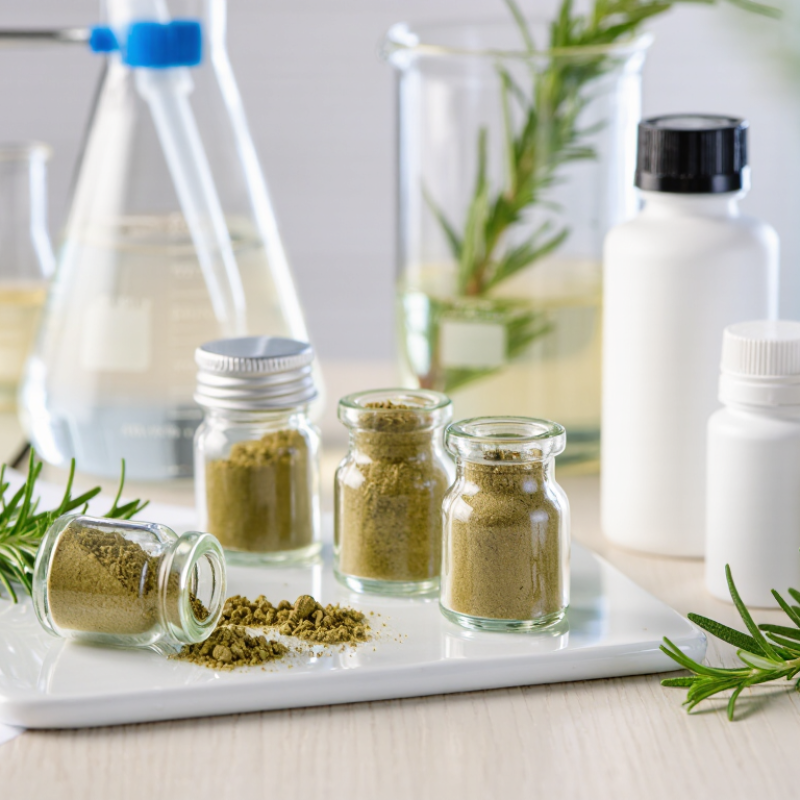
Rosemary extracts are not all the same. Commercial formats include oil-soluble liquids, water-dispersible preparations, and powders carried on ingredients such as starch. The format affects blending, clarity, and dosage. An oil-compatible extract may suit dressings or fats, while a water-based drink needs a preparation designed to disperse. Otherwise, haze or sediment can appear. Rosemary essential oil is different: it provides volatile aroma compounds, while antioxidant extracts are commonly characterized by diterpenes such as Carnosic Acid and carnosol. They are not interchangeable.
Application should guide the specification. EFSA’s 2018 re-evaluation of food additive E392 established an acceptable daily intake of 0.3 mg per kilogram of body weight per day. For buyers, that assessment is a useful reminder to check intended food category and use level, not just headline potency. When a specification lists Rosemary Extract Carnosic Acid, confirm the actual assay basis, carrier, solubility, and batch test results. Ask for sensory data too: a sample can protect oil from oxidation yet leave a noticeable herbal note. This detail is easy to overlook. Small detail. Big impact. A clear certificate of analysis helps, but it may not describe performance in your finished recipe; pilot testing still matters.
A practical comparison of common rosemary product forms for global buyers.
Bars indicate whether an application is a typical fit (1) or not a primary fit (0); they do not represent market share or product performance. Oil-soluble extracts are commonly selected for lipid-rich foods, water-dispersible extracts for aqueous foods, and rosemary essential oil mainly for aroma and flavor. Confirm solubility, sensory impact, intended use, and local regulations when choosing a specification.
Before requesting quotes, define how the rosemary extract will be used. Start with the use. A food ingredient, a cosmetic formulation, and a botanical supplement may need different formats and supporting data. Specify the botanical identity, plant part, extraction method, solvent, carrier, and desired marker compounds. If your brief includes Rosemary Extract Ursolic Acid, state whether you need a measured ursolic acid level or simply a product associated with that marker. Those are not interchangeable expectations.
Then map the requirements to each target market and customer type. A manufacturer may prioritize dispersibility in water, while a capsule producer may care more about powder flow and bulk density. Ask suppliers for a recent certificate of analysis, test methods, microbiological results, and a representative sample. Check whether the sample’s color, aroma, and solubility fit your process. Small differences can matter. Keep records. Confirm which documents your local importer or quality team expects, since requests can vary by destination and application.
Set practical acceptance limits before comparing prices. Define tolerances for marker content, moisture, particle size, and packaging, then compare quotations against the same specification. Ask about batch consistency, shelf-life evidence, storage conditions, and lead times. A polished specification is useful, but it cannot replace testing a production-scale lot. I have seen buyers leave one detail vague, often the carrier, and discover too late that it changes handling or formulation performance. That is worth reviewing.
Extraction method shapes which rosemary compounds appear in a finished extract. Ethanol-water mixtures can recover a broader range of polar and less-polar compounds, depending on the ratio and process conditions. Supercritical carbon dioxide tends to favor less-polar constituents, including carnosic acid and carnosol. These are often used as markers for antioxidant extracts. The essential oil is different: it contains volatile aromatic compounds, not a comparable profile of these diterpenes. Similar-looking labels can hide different products. Check the stated extract type.
Active compound levels need context. A figure such as “20% carnosic acid” is useful only when the test method and reporting basis are clear. Ask whether results are measured by HPLC, reported on a dry basis, and supported by a batch-specific certificate of analysis. Rosmarinic acid may matter for one application, while carnosic acid and carnosol may matter more for another. Plant variety, harvest timing, drying, and storage can shift results before extraction even begins. Small details matter.
I would compare samples with the same assay method, not just the same headline percentage. Review carrier ingredients and moisture, too, since they can affect the amount of active material per gram. A pale powder may look reassuring, but appearance alone proves little. Specifications can be imperfect, and supplier documents sometimes leave questions unanswered. Ask for clarification before comparing prices.
| Buying tip | Extraction method and typical profile | Active compounds to compare | What to verify before purchase |
|---|---|---|---|
| 1. Match the extract to its intended use | Food antioxidant extracts are commonly solvent-extracted or produced using supercritical carbon dioxide. Rosemary essential oil is obtained by steam or hydrodistillation and is a different product. | Antioxidant extracts: mainly carnosic acid and carnosol. Essential oil: volatile constituents such as 1,8-cineole, camphor, and alpha-pinene; it is not a meaningful source of carnosic acid. | Confirm the product form, intended application, permitted use in the destination market, and whether the specification refers to an extract or essential oil. |
| 2. Compare extraction methods—not just the headline percentage | Supercritical CO₂ preferentially extracts relatively lipophilic rosemary diterpenes. Food-grade ethanol or other suitable solvent processes can produce extracts with differing phenolic profiles; water-based processes generally favor more water-soluble constituents. | Carnosic acid and carnosol are key lipophilic antioxidant markers. Rosmarinic acid is a polar phenolic marker that may be relevant in water-compatible or hydroalcoholic extracts. | Request the extraction solvent or process, carrier or diluent details, and a batch-specific chromatographic assay. Method alone does not guarantee a particular composition. |
| 3. Specify the active-compound level you need | Commercial antioxidant extracts are available at different standardization levels. A broad, illustrative market range for carnosic-acid-standardized grades is approximately 5–30%; actual offerings and assay bases vary. | Compare carnosic acid separately from carnosol and, where relevant, rosmarinic acid. “Total phenolics” is not interchangeable with a result for a named compound. | State a minimum or target level and the test method. Check whether percentages are on an as-is or dry-weight basis and whether the product contains a carrier. |
| 4. Check solubility and formulation compatibility | Diterpene-rich extracts are generally more compatible with oils and fats than with water. Water-dispersible preparations may use a suitable carrier or emulsifying system; a water extract has a different composition. | Carnosic acid and carnosol are relatively lipophilic. Rosmarinic acid is more polar, but its presence does not by itself establish that a product will dissolve or disperse well in a finished formula. | Request solubility or dispersion instructions, carrier identity, recommended handling conditions, and a formulation sample test in the actual application. |
| 5. Assess stability and packaging needs | Carnosic acid can oxidize during storage, with some of it converting to other compounds, including carnosol. Light, oxygen, heat, and storage time can affect extract quality. | Track carnosic acid and carnosol using the supplier’s stated method; a change in one marker may alter the profile without being captured by a generic “total antioxidant” claim. | Review shelf life, storage conditions, packaging protection, retest policy, and stability data for the supplied grade. Avoid assuming all rosemary extracts have the same shelf life. |
| 6. Require identity, purity, and residue testing | The plant part, extraction process, and any processing aids influence the final material. Analytical testing should fit the extract type and the rules of the importing market. | Use a suitable chromatographic fingerprint or marker assay for identity and composition. For solvent-extracted material, residual-solvent results are relevant; contaminant requirements depend on the market and use. | Obtain a current certificate of analysis, botanical identity and plant-part details, residual-solvent results where applicable, and relevant contaminant and microbiological data. |
| 7. Confirm documentation and batch consistency | Natural extracts can vary with raw-material origin, harvest conditions, and processing. A stated extraction method or typical specification does not replace batch-level evidence. | Compare marker results across recent batches, especially carnosic acid, carnosol, or rosmarinic acid when specified. Confirm that reported results use consistent methods and units. | Request batch-specific certificates, traceability and origin information, applicable food or product compliance documents, and advance notice of process or specification changes. |
Note: The 5–30% carnosic-acid range is illustrative of commonly encountered standardized commercial grades, not a universal specification or regulatory limit. Always confirm the exact assay, test method, and applicable requirements with the supplier and destination-market regulations.
A rosemary extract certificate of analysis should identify the lot, test date, method, and measured carnosic acid and carnosol levels. Ask whether results come from a validated HPLC method, and request a representative chromatogram when specifications matter. Check moisture, residual solvents, heavy metals, pesticide residues, and microbiological results against your product requirements. Details matter. A tidy COA can still leave gaps if it omits methods or reports only “pass.”
EFSA’s 2018 re-evaluation of rosemary extract as food additive E392 established a group acceptable daily intake of 0.3 mg per kilogram of body weight per day, expressed as carnosic acid and carnosol. This is a safety reference, not a substitute for checking the extract’s intended use or local requirements. For independent testing, look for a laboratory accredited to ISO/IEC 17025 for the relevant method; accreditation alone does not mean every test is covered.
Supplier documentation should connect the sample to the shipment: batch traceability, botanical identity, country of origin, extraction solvent, and a change-control record. Request stability data in the proposed packaging, not just a generic shelf-life statement. I have seen paperwork look complete until the assay basis turns out to be unclear. Ask whether percentages refer to the extract as received or on a dry basis. That small distinction can shift comparisons.
Regulatory checks should begin with the product’s intended use and destination market. Rosemary extract may be treated differently in food, supplements, or cosmetics, so do not assume one approval covers every category. Ask suppliers for a current specification, certificate of analysis, ingredient identity, and details of the extraction process. Check that the documents match the material being shipped, including its botanical name, plant part, carrier, and declared rosmarinic acid content. Details matter. A certificate alone does not confirm that your finished-product label meets local rules.
Review labeling requirements before approving artwork. Depending on the market and product category, labels may need ingredient names, allergen information, net quantity, origin details, or specific language and formatting. Verify whether “Rosemary Extract Rosmarinic Acid” accurately describes the ingredient for your use; a keyword is not necessarily an acceptable legal name. Keep claims modest and evidence-based, and avoid wording that suggests the product prevents or treats disease. Check every panel. In practice, small mismatches—such as a different carrier on the specification sheet or a missing translation—can delay review. Requirements also change, and I would not treat an old label as a reliable template. Confirm current rules with a qualified regulatory professional or the relevant authority before printing.
Compare rosemary extract quotes on a like-for-like basis, not price per kilogram alone. Check the Rosemary Carnosic Acid assay, carrier, extraction solvent, minimum order, and test methods. Ask whether the quoted price includes sampling, export packing, and required certificates. Record the currency, quote validity, and Incoterm; a low unit price can hide costly freight or destination charges. Small details matter.
Packaging affects both product condition and landed cost. Request the pack size, inner-liner material, seal type, and protection from light and moisture. Confirm pallet dimensions and gross weight before booking freight. The World Bank’s 2023 Logistics Performance Index assessed 139 economies across six logistics dimensions, including tracking and timeliness. That is a useful reminder: delivery reliability is part of the purchase, not an afterthought. Still, a country-level score cannot predict one shipment’s delay.
For shipping, compare door-to-door estimates with port-to-port quotes, and clarify who handles insurance, customs clearance, and local delivery. UNCTAD’s Review of Maritime Transport 2024 reported that maritime trade grew 2.4% in 2023, while disruptions continued to affect routes and freight markets. Build a realistic buffer into delivery dates. A spreadsheet can still miss a port connection. Ask suppliers for recent shipment records, booking cut-offs, and written procedures for damaged or delayed cargo.
Yucca extract is a plant-derived ingredient used in feed formulations, including as a deodorizing aid. When evaluating a product, start with its intended application and stated saponin content: this extract is offered as a brown fine powder standardized to 60% yucca saponins, with other specifications available on request. A defined specification can help buyers compare products and set consistent formulation requirements. It is intended for feed use, so confirm suitability and directions with the supplier and your feed-formulation professional.
When choosing a supplier, review quality documentation, production controls, and practical purchasing details—not just the headline concentration. The product is made in a clean production workshop and is described as non-additive, non-GMO, and heat-treated only; listed certifications include GMP, ISO 9001, ISO 22000, HACCP, Kosher, and Halal. Ask for current certificates and a product specification before ordering. A free sample is available, the minimum order is 1 kg, and stated production capacity is 2,000 kg per month. Warehouse delivery is available within one day, subject to confirmation; shelf life is three years. Multiple payment terms may be arranged.
No. Extracts often contain antioxidant compounds such as carnosic acid and carnosol. Essential oil mainly provides volatile aroma compounds. Not the same.
Choose a preparation designed to disperse in water. An oil-compatible liquid may create haze or sediment in a water-based drink. Test it in your recipe.
Ethanol-water mixtures can recover compounds with different polarities. Supercritical carbon dioxide tends to favor less-polar compounds, including carnosic acid and carnosol. The resulting profiles can differ.
No. Check the assay method, reporting basis, carrier, and batch results. I still catch myself comparing headline percentages too quickly. That shortcut is unreliable.
Look for the batch, test date, methods, and measured carnosic acid and carnosol levels. Check relevant contaminant and microbiological results, too. Details matter.
The assessment set 0.3 mg per kilogram of body weight per day, expressed as carnosic acid and carnosol. It is a safety reference, not a product-use instruction.
Request batch traceability, botanical identity, origin, extraction solvent, and change-control records. Ask whether percentages are reported as received or on a dry basis. That distinction can shift comparisons.
No. A certificate may not predict flavor, clarity, or oxidation performance in your recipe. Test a sample in the actual formulation. Herbal notes can surprise you.
Choosing Rosemary Extract for global sourcing begins with understanding its available forms and intended uses, then defining clear product requirements for each target market. Buyers should specify the desired format, application, and active-compound levels before comparing extraction methods, since these factors can affect suitability, consistency, and price.
Before placing an order, review quality controls, test results, and supplier documentation, and confirm that product claims, labeling, and import requirements are appropriate for the destination market. Compare quotations alongside packaging options, minimum order quantities, lead times, and shipping terms rather than focusing on price alone. A careful evaluation of these points can help buyers select a reliable product, reduce sourcing uncertainties, and plan deliveries more effectively.