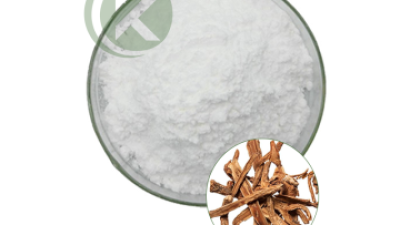
When you’re diving into the world of Herbal Extracts, Dihydromyricetin Powder is definitely one to keep an eye on because of all its potential benefits. I recently read what Dr. Emily Chen, a well-respected expert in plant chemistry, said—she mentioned that finding top-notch Dihydromyricetin Powder isn’t just about luck; it’s about understanding the supply chain and market needs really well. That really hits home because the industry can be pretty tricky—quality control is absolutely crucial.
This powder comes from the Hovenia dulcis plant and has been gaining popularity for its possible health perks. But here’s the thing—if you’re buying it, it's not always easy to spot reliable suppliers. The market is packed with options, and unfortunately, not every seller is trustworthy. So, it’s super important to stick with reputable manufacturers who follow strict quality standards. That way, you’re mostly guaranteed to get the real deal and enjoy the benefits you’re after.
Doing your homework and staying sharp about the industry trends can make all the difference. Even those who’ve been at this for a while can run into issues like inconsistent quality or authenticity. Building good relationships with your suppliers can really help smooth out the process, too. As the market keeps expanding, knowing what to look for when choosing Dihydromyricetin Powder will definitely help you make smarter buying choices—and maybe save you some headaches down the line.

How Dihydromyricetin Powder is Sourced for Global Distribution
Dihydromyricetin (DHM) powder has gained popularity in various sectors, including health and wellness. Its extraction process is crucial for ensuring quality. The sourcing of DHM begins with the careful selection of Amur cork tree, where the flavonoid is predominantly found. Reports suggest that about 60% of its active compounds can be efficiently extracted using advanced methods like ethanol extraction. This technique maximizes yield while retaining efficacy, which is essential for global distribution.
With increasing demand, sourcing DHM can be challenging. Companies often face difficulties with consistency in quality and supply chain management. Partnering with reliable suppliers is vital. Industry data indicates that only 30% of suppliers consistently meet quality standards. Global buyers should conduct thorough audits and establish clear quality benchmarks before finalizing partnerships. Ensuring that suppliers follow best practices is key to maintaining product efficacy.
When sourcing, consider evaluating multiple suppliers. Request samples to assess quality personally. Sustainability should also guide sourcing decisions. Prioritize suppliers who implement environmentally friendly practices in their harvesting and processing methods. This not only enhances product quality but also builds a responsible brand image. Focus on transparency in transactions and keep communication lines open with suppliers to address any concerns promptly.
Global Market Analysis of Dihydromyricetin Powder Demand
Dihydromyricetin powder has gained significant attention in the global market due to its potential health benefits. According to a recent market analysis, the demand for this compound is projected to grow at a compound annual growth rate (CAGR) of 7.5% over the next five years. This growth is attributed to increasing awareness of natural supplements and their role in promoting wellness. Health-conscious consumers are actively seeking out Dihydromyricetin, especially for its Antioxidant properties.
To effectively source Dihydromyricetin powder, global buyers should understand the market's dynamics. An analysis by industry experts indicated that Asia-Pacific is the leading region for supply, driven by growing production capacities. Buyers should consider suppliers that provide transparent sourcing information. Ensuring that products meet quality standards is essential. Low-cost options may lack certification or quality assurance.
When sourcing, keep in mind the importance of certifications. Look for suppliers who can provide detailed test reports. Authenticity is crucial in ensuring the effectiveness of Dihydromyricetin. Engaging with reliable suppliers can mitigate risks associated with low-quality products. Building strong relationships with trusted partners can lead to better sourcing experiences and consistent quality. Always prioritize suppliers with a good market reputation and positive customer feedback.
Key Regions for Dihydromyricetin Powder Sourcing and Trade
Sourcing dihydromyricetin powder involves understanding key regions that excel in production and trade. China is a prominent player. The country has rich resources and established supply chains. It’s vital to connect with local suppliers to ensure quality and reliability. Many Chinese companies use modern extraction techniques, enhancing the purity of their products.
Another significant region is Japan. The market there focuses on advanced research and development. They often produce higher-end formulations. Collaborating with experts can yield innovative applications of dihydromyricetin. However, finding a reliable partner may require thorough vetting.
Europe also plays a vital role in dihydromyricetin trade. The region emphasizes regulatory compliance and quality assurance. Buyers here prioritize ethical sourcing and sustainability. Engaging with European suppliers can enhance product credibility but may come with higher costs. Stakeholders must weigh these factors when selecting their sources.
Important Quality Standards and Specifications for Dihydromyricetin
Dihydromyricetin is gaining attention due to its potential health benefits. For global buyers, understanding quality standards is crucial. Recent reports indicate that the market for Dihydromyricetin is growing at a CAGR of around 15% annually. This demand highlights the need for reliable sourcing.
Quality specifications for Dihydromyricetin often include factors like purity and sourcing standards. A minimum purity level of 95% is generally accepted. Adulteration can compromise the efficacy, making it essential to conduct thorough testing. Buyers should look for suppliers with robust quality control processes. Certificates of analysis (COAs) are vital documents that should accompany any batch of Dihydromyricetin.
Additionally, geographic origins can impact the overall quality. Sourcing from well-regarded regions enhances trust in the product's integrity. Furthermore, understanding extraction methods is key since these can affect the efficiency of Dihydromyricetin. Many consumers are unaware that variations in extraction techniques might lead to differences in performance. Dihydromyricetin's reputation relies on consistent quality, making these standards an important consideration for buyers.
Global Dihydromyricetin Sources and Quality Standards
Major Suppliers and Manufacturers in the Dihydromyricetin Market
When sourcing Dihydromyricetin powder, it's essential to identify trustworthy suppliers and manufacturers. Many companies specialize in herbal extracts, and their reputation can vary significantly. Researching suppliers is crucial. Look for established companies with good customer reviews and proven track records. Quality should not be compromised, as Dihydromyricetin Extract is sought after for its numerous health benefits.
Sourcing can be complex due to varying quality standards. Some manufacturers may not adhere to stringent regulations, impacting purity and efficacy. It's advisable to request samples before making large orders. Transparency in sourcing is vital. Ask potential suppliers detailed questions about their extraction methods and raw materials. Understanding these aspects ensures you are selecting high-quality Dihydromyricetin Extract.
In the Dihydromyricetin market, regulations and certifications vary by region. Some suppliers may hold certifications that validate their practices. Always verify these claims to avoid potential pitfalls. Familiarize yourself with local and international regulations on herbal extracts. This knowledge can prevent costly mistakes. Reliable information sources and guidelines can make a difference in your sourcing journey.
Trends Affecting Dihydromyricetin Sourcing and Supply Chain Dynamics
Sourcing dihydromyricetin (DHM) powder has become increasingly complex. The COVID-19 pandemic disrupted supply chains worldwide. According to a report from the World Health Organization, approximately 80% of supply chain managers experienced delays. This has made it vital for buyers to understand the underlying trends affecting DHM sourcing.
One major trend is the rising demand for natural supplements. Grand View Research indicates that the global market for herbal supplements is expected to reach $420 billion by 2028. As consumers seek natural solutions, the pressure on suppliers increases. Buyers must analyze suppliers' capabilities, ensuring they can meet growing demands while maintaining quality.
Another point to consider is the geographical distribution of raw materials. Many DHM sources come from specific regions, primarily in East Asia. Political instability and climate change in these areas can impact availability and pricing. Recent studies show that sourcing diversifications can mitigate risks. Buyers should explore alternative sources or invest in local suppliers.
Staying updated on market dynamics is crucial. Industry reports highlight that informed sourcing strategies lead to better negotiation power and pricing. Developing strong relationships with suppliers can also enhance reliability during turbulent times.
Regulatory Considerations for Importing Dihydromyricetin Powder Globally
Regulatory considerations are crucial when sourcing dihydromyricetin powder for global distribution. Various international laws govern import regulations. For instance, the FDA in the United States has strict guidelines on dietary supplements. Importers must ensure that the products meet safety and labeling requirements. Working with suppliers that comply with these regulations is vital. Non-compliance can result in hefty fines and product recalls.
Compliance with regulations also involves understanding local customs. Each country may have different import duties and restrictions. A report by MarketsandMarkets states that the global dietary supplement market reached USD 140.3 billion in 2020 and is projected to grow at a CAGR of 8.9%. This growth signifies a rise in demand and highlights the importance of choosing responsible suppliers. Importers must also account for potential fluctuations due to changing trade policies. Partnering with experienced agencies can help navigate these complexities.
Documentation plays a key role in international trade. Importers should prepare necessary paperwork, including certificates of analysis and safety data sheets. Detailed import records can minimize misunderstandings with authorities. Knowledge of these procedures is essential to maintain efficient operations in a competitive market. Careful planning can help mitigate risks. Leveraging technology to track compliance can improve chances of success.
How to Source Dihydromyricetin Powder for Global Buyers? - Regulatory Considerations for Importing Dihydromyricetin Powder Globally
| Dimension | Details |
| Product Name | Dihydromyricetin Powder |
| CAS Number | 77357-43-4 |
| Molecular Formula | C15H12O8 |
| Molecular Weight | 320.25 g/mol |
| Appearance | Light yellow to brown powder |
| Purity Level | ≥ 98% |
| Regulatory Status | Generally Recognized As Safe (GRAS) in food products |
| Common Applications | Dietary supplements, functional foods, cosmetics |
| Import Regulations | Varies by country; requires compliance with local safety and labeling standards |
| Supply Chain Considerations | Ensure reliable sourcing and quality assurance from suppliers |
Unlocking Wellness: A Data-Driven Analysis of Gentian Root Extract Powder's Health Benefits and Market Potential
Gentian root extract powder, derived from the Latin name Gentiana scabra Bge, is gaining attention for its myriad health benefits supported by a data-driven exploration of its properties. With specifications that range from 3% to 98% gentiopicroside (gentiopicrin), this extract is noted for its natural and non-GMO content, making it a desirable addition to various sectors, including cosmetics, healthcare supplements, and pharmaceutical formulations. The extract appears as a brown-yellow to white powder and is produced with stringent quality control, validated by certifications such as GMP and ISO.
The market potential for gentian root extract is significant, driven by an increasing consumer focus on natural health products. Its production capacity reaches 2000 KG per month, indicating a robust supply chain ready to meet growing demand. Additionally, the availability of free samples and flexible payment terms encourages businesses to incorporate this extract into their offerings, whether for enhancing skincare formulations or for use as a dietary supplement. As research continues to unveil the comprehensive wellness advantages of gentian root, its role in promoting health and vitality will undoubtedly expand, paving the way for innovative product developments in the health and wellness industry.
FAQS
: The COVID-19 pandemic caused significant disruptions in supply chains globally, affecting sourcing.
Rising demand for natural solutions increases pressure on suppliers to meet consumer needs while ensuring quality.
Many DHM sources are in East Asia. Political issues and climate change in these areas can affect availability.
Buyers should diversify their sources or invest in local suppliers to reduce dependency on specific regions.
Staying informed on market trends enhances negotiation power and potentially leads to better pricing arrangements.
Buyers need to understand local and international regulations to avoid fines and ensure product compliance.
Keeping detailed import records and having necessary paperwork ready helps minimize misunderstandings with authorities.
Developing strong relationships can enhance reliability and stability during unpredictable market conditions.
Leveraging technology helps track compliance and improves chances of navigating complex regulatory landscapes successfully.
Non-compliance with regulations may lead to hefty fines or product recalls, underscoring the need for diligence.
Conclusion
Dihydromyricetin Powder is increasingly sought after in the global market due to its various health benefits and applications. This article outlines the sourcing strategies for Dihydromyricetin Powder, emphasizing the importance of understanding global demand dynamics and identifying key regions where sourcing and trade activities are most significant. It discusses major suppliers and manufacturers who play a critical role in the market, along with the essential quality standards and specifications that ensure product integrity.
In addition, the article highlights trends that are currently influencing Dihydromyricetin Powder supply chain dynamics, including shifts in consumer preferences and regulatory considerations that affect its global importation. By navigating these aspects, global buyers can make informed decisions when sourcing Dihydromyricetin Powder, ensuring they meet both quality and compliance requirements while tapping into emerging market opportunities.