Leave Your Message
*Name Cannot be empty!
* Enter product details such as size, color,materials etc. and other specific requirements to receive an accurate quote. Cannot be empty
0%

Capsaicin Powder isn't just a one-trick pony anymore for buyers around the world. These days, you'll find it in all sorts of stuff—whether it's food recipes, flavor blends, research projects, or even regulated topical products. But let’s be real, the market isn’t exactly straightforward. Just knowing the heat level isn’t enough to judge quality.

Paul W. Bosland, who’s basically a legend in chile pepper circles, often reminds folks, “There’s no such thing as the best chile, only the best for a specific purpose.” That simple idea underpins this rundown of the Top 10 Types of Capsaicin Powder. Each one is a little different—varying in capsaicinoid content, Scoville heat, particle size, carrier material, color, how well it dissolves, and how it’s processed. So, buyers really need to look beyond just the label. A solid Certificate of Analysis is a must, and consistency between batches is just as important.

In this list, we’ll look at natural chili powders, standardized capsaicin powders, oleoresin-based options, water-dispersible forms, oil-soluble versions, and other commercial types. We’ll also consider things like purity levels, moisture content, testing for heavy metals, microbiological safety, packaging quality, and how well these powders hold up over time. All these little details can make a big difference in how they perform during production—and, honestly, they can also be a hidden source of risk when you’re buying.

Here’s a pro tip that often gets overlooked: the hottest powder isn’t always the best choice. Some applications need a controlled amount of heat, or they require powders that disperse cleanly without any mess. Others need exact capsaicinoid levels to keep things consistent. Before you go ahead and buy capsaicin powder, it’s smart to ask for detailed tech specs, guidance on how to use it, and independent test results. Sure, supplier claims might sound convincing, but it pays to review everything carefully. This article gives you a good starting point, but honestly, there's no substitute for testing products firsthand, consulting experts, or doing thorough batch checks.
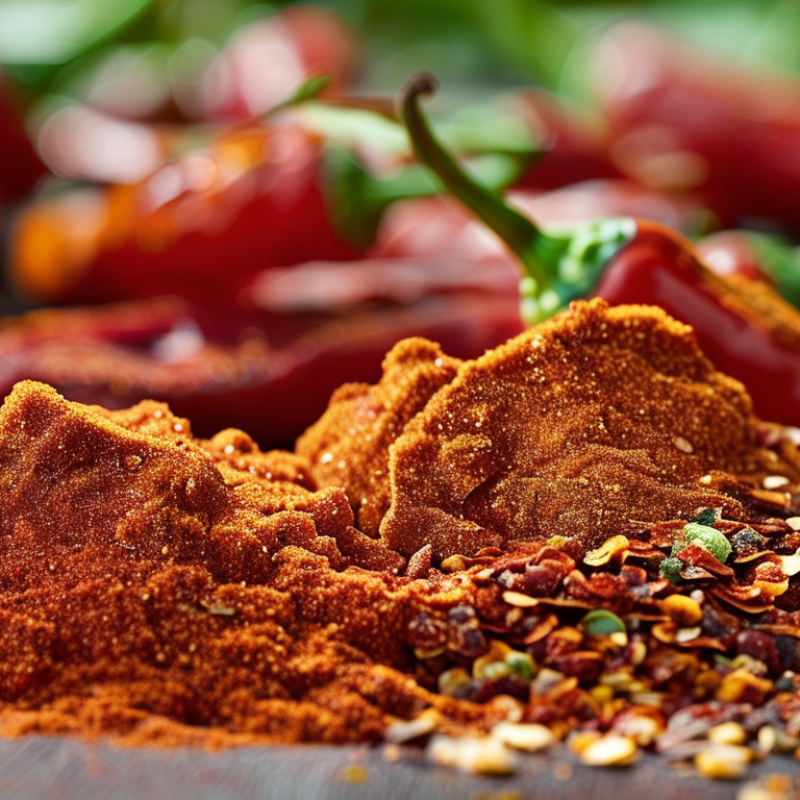
Top 10 Types of Capsaicin Powder for Global Buyers?

Understanding Capsaicin Powder and Its Role in Global Trade

Understanding capsaicin powder requires more than comparing heat levels. It is a concentrated extract from chili peppers, commonly measured through Scoville Heat Units, or SHU. Product grades differ in purity, color, particle size, and intended use. Food-grade material needs controlled testing for pesticides, heavy metals, microorganisms, and residual solvents.

Trade demand is supported by broad chili production. FAOSTAT data show global dried chili and pepper output has remained above four million tonnes annually in recent years. However, raw chili volume does not equal capsaicin powder supply. Extraction efficiency and standardized capsaicinoid content matter more. A 2024 Grand View Research market assessment also identifies rising demand from food, pharmaceutical, and personal-care applications, while noting that market estimates vary by product definition.

For global buyers, supplier evaluation should begin with a current certificate of analysis. Check capsaicinoid percentage, SHU testing method, batch number, origin, and storage conditions. A reliable Best Capsaicin Powder Manufacturer should provide traceability from dried pepper material to sealed export packaging. Moisture can cause clumping during ocean transport. I have seen specifications look precise but hide different testing methods. That deserves attention. Buyers should also verify labeling, import classification, and destination-country requirements before shipment, because rules may differ between food ingredients, research materials, and industrial products.

Classifying Capsaicin Powder by Source, Purity, and Processing Method

Top 10 Types of Capsaicin Powder for Global Buyers

Capsaicin powder varies by source, purity, and processing method. Chili-derived powder usually contains natural capsaicinoid mixtures and plant residues. Oleoresin-derived powder offers stronger concentration and more consistent heat. Fermentation-derived material may provide another controlled source, but documentation can differ. Synthetic capsaicin is also available for technical and analytical use.

Purity creates important buying differences. Standardized powder targets a defined capsaicinoid percentage. High-purity material contains fewer pigments, oils, and inactive solids. Pure Capsaicin Extract may suit laboratory or specialized formulation work, but buyers should verify its intended grade. Crystalline powder, micronized powder, water-dispersible powder, and low-residual-solvent powder reflect different processing choices. Spray-dried and stabilized forms can improve handling, yet they may change flowability or storage behavior.

Tips: Request a current certificate of analysis, origin details, residual-solvent data, particle-size results, and microbiological testing. Check whether the supplier separates food, technical, and analytical grades. Compare batches, not only catalog specifications. Small inconsistencies matter. I have found that a bright color does not always indicate higher purity. Storage conditions also deserve attention, especially heat, moisture, and light exposure. Confirm local import, labeling, and occupational-safety requirements before ordering internationally.

Ten Major Types of Capsaicin Powder for Global Buyers

Ten Major Types of Capsaicin Powder for Global Buyers

Global buyers usually compare ten major capsaicin powder types: natural extract, synthetic capsaicin, crystalline powder, micronized powder, food-grade powder, Pharmaceutical-Grade Capsaicin, analytical standard, oil-soluble powder, water-dispersible powder, and encapsulated powder. Each type fits a different production need. Crystalline material suits controlled dosing, while micronized powder disperses faster in carefully tested formulations. Food-grade powder requires documented purity, contaminant testing, and stable batch records.

A 2024 market assessment by Grand View Research reported continued growth in capsaicin demand, supported by food, pharmaceutical, and personal-care applications. Buyers should not rely on market size alone. Certificate details matter more. Check capsaicinoid percentage, residual solvents, heavy metals, microbial limits, particle size, and extraction method. For Pharmaceutical-Grade Capsaicin, review pharmacopoeial testing, manufacturing controls, and traceability from raw material to finished lot. Small details matter.

Oil-soluble powder works well in lipid systems, but water-dispersible grades need different processing conditions. Encapsulated powder may reduce handling dust and improve release control. Synthetic material can offer consistent composition, while natural extract may contain related capsaicinoids. The difference is practical, not merely commercial. Some suppliers describe “high purity” without defining the test method. That wording deserves caution. I would request independent laboratory verification, although even this step cannot remove every supply-chain risk. Suppliers should also confirm storage conditions, packaging integrity, and re-test dates before shipment.

Comparing Potency, Particle Size, Purity, and Formulation

Top 10 Types of Capsaicin Powder for Global Buyers

Global buyers usually compare ten practical capsaicin powder types: standard extract, high-potency powder, low-potency powder, purified capsaicinoids, coarse powder, micronized powder, oil-dispersible powder, water-dispersible powder, encapsulated powder, and standardized blends. Each type suits a different process. High-potency material reduces dosage but requires tighter handling. Coarse particles may flow better. Micronized particles disperse faster, yet they can create more airborne dust.

Potency should be verified through capsaicinoid testing, preferably with HPLC data and a clear batch number. Labels alone are not enough. Particle size affects mixing, suspension stability, and equipment performance. A 100-mesh powder behaves differently from a 300-mesh powder. Purity checks should cover residual solvents, heavy metals, pesticides, moisture, and microbiological limits. Request a current certificate of analysis and safety data sheet.

Formulation needs equal attention. Oil-soluble powders fit certain lipid systems, while water-dispersible grades need suitable carriers or processing aids. Encapsulation can improve handling and reduce direct contact during manufacturing. Packaging should limit moisture, heat, and accidental exposure. A practical lesson is simple: the strongest powder is not always the best choice. I have seen specifications look impressive but perform poorly in the final blend. Buyers should test a representative sample under real production conditions and review local compliance requirements before placing a large order.

Top 10 Types of Capsaicin Powder for Global Buyers: Comparing Potency, Particle Size, Purity, and Formulation

No. Powder Type Typical Active Potency Typical Particle Size Typical Purity / Assay Typical Formulation Main Advantages Common Applications
1 Ground Chili Fruit Powder Approximately 0.05–0.50% total capsaicinoids, depending on cultivar and growing conditions About 300–1,000 μm; commonly supplied as coarse, medium, or fine mesh Natural whole-fruit powder; capsaicinoid content should be confirmed by HPLC Milled dried chili fruit containing skin, seeds, and natural fiber Lowest processing cost; provides natural color, flavor, and aroma Seasonings, sauces, snack coatings, spice blends, and food ingredients
2 Standardized 2.5% Capsaicinoid Powder Approximately 2.5% total capsaicinoids About 150–500 μm Usually standardized to a declared total capsaicinoid assay; actual specification varies by supplier Chili extract diluted with food-grade carriers such as maltodextrin, starch, or silica More consistent potency than whole chili powder and easier to dose Food premixes, seasonings, functional foods, and low-to-medium heat formulations
3 Standardized 10% Capsaicinoid Powder Approximately 10% total capsaicinoids About 100–400 μm Typically controlled by HPLC for total capsaicinoids; carrier content makes up the balance Extract Powder with a carbohydrate, gum, starch, or flow-aid carrier High potency with practical handling and comparatively accurate batch dosing Hot sauces, savory premixes, animal-feed additives, and industrial seasoning systems
4 Standardized 40% Capsaicinoid Powder Approximately 40% total capsaicinoids About 75–300 μm Usually supplied with a narrow assay range around the declared potency; HPLC verification is recommended Concentrated chili oleoresin or capsaicinoid extract adsorbed onto a dry carrier High strength with lower inclusion rates and reduced Bulk volume Industrial foods, heat systems, repellents, and specialty formulations
5 Standardized 60% Capsaicinoid Powder Approximately 60% total capsaicinoids About 50–250 μm High-assay extract; total capsaicinoids are normally measured by chromatographic testing Concentrated extract blended with a permitted carrier or flow aid Very high potency and efficient transport of active material Professional food processing, technical products, and high-heat concentrates
6 95% Capsaicinoid Extract Powder Approximately 95% total capsaicinoids, generally comprising capsaicin and related capsaicinoids About 20–150 μm, depending on milling and crystallization Typically ≥95% total capsaicinoids by HPLC; not necessarily ≥95% Pure capsaicin Highly concentrated crystalline or purified extract with minimal carrier Very high potency and comparatively low inclusion rate Specialty food, laboratory, technical, and controlled-dose applications
7 98%+ Pure Capsaicin Crystalline Powder Typically ≥98% capsaicin, with the balance consisting of related compounds and trace impurities About 20–150 μm; micronized grades can be smaller Usually assayed for capsaicin identity and purity by HPLC, with residual solvents and heavy metals separately controlled Purified crystalline capsaicin with little or no carrier Maximum concentration, defined chemical composition, and excellent batch-to-batch consistency Research, reference standards, pharmaceutical development, and precision formulations
8 Spray-Dried Chili Oleoresin Powder Commonly approximately 5–20% total capsaicinoids, depending on the extract concentration About 50–300 μm; often free-flowing and rounded particles Standardized extract powder; color, volatile oil, moisture, and capsaicinoids may all be specified Oleoresin spray-dried onto maltodextrin, gum acacia, modified starch, or similar carrier Improved flowability, easier dry blending, and better protection from handling losses Dry seasoning, instant mixes, snack coatings, sauces, and convenience foods
9 Microencapsulated Capsaicin Powder Commonly approximately 1–10% total capsaicinoids, depending on wall-material loading About 50–500 μm; some spray-dried grades are below 100 μm Assay refers to active capsaicinoids; encapsulation efficiency and moisture are important additional tests Capsaicin enclosed in carbohydrate, protein, gum, or modified-starch wall materials Reduced direct contact, improved handling, and potential control of flavor release and oxidation Functional foods, beverages, nutraceutical premixes, and controlled-release concepts
10 Water-Dispersible Capsaicin Powder Commonly approximately 1–10% active capsaicinoids; the declared assay depends on the carrier system About 50–300 μm; fine particles may disperse more rapidly but can increase dusting Active assay should be measured separately from dispersion performance and emulsion stability Emulsified or encapsulated capsaicin supported by modified starch, gum, lecithin, or other dispersing systems Designed for faster dispersion in aqueous systems and more uniform distribution Beverage powders, water-based sauces, emulsions, functional drinks, and instant formulations

Data note: The specifications above are typical commercial ranges rather than universal standards. Actual potency, particle-size distribution, carrier composition, moisture, residual solvents, microbiological limits, and contaminant limits should be verified against the supplier’s current certificate of analysis and the destination market’s regulatory requirements.

Selecting Capsaicin Powder for Food, Pharmaceutical, and Industrial Uses

Selecting Capsaicin Powder for Food, Pharmaceutical, and Industrial Uses

For global buyers, capsaicin powder is not one uniform material. Common categories include food-grade chili powder, standardized capsaicinoid powder, high-purity capsaicin, micronized powder, spray-dried powder, pharmaceutical-grade material, cosmetic-grade material, feed-use powder, industrial dispersions, and laboratory reference standards. Each type behaves differently in heat, moisture, and solvents. A 2024 Grand View Research report projects steady capsaicin market growth through 2030, near 5% annually. That trend reflects expanding demand in food processing, topical formulations, and technical applications.

Food manufacturers should verify pungency using Scoville Heat Units and capsaicinoid concentration. Pure capsaicin can reach approximately 16 million SHU, according to widely accepted analytical references. Pharmaceutical buyers need stronger controls, including identity testing, assay results, residual-solvent limits, microbiological data, and batch traceability. The United States Pharmacopeia and other pharmacopoeial systems provide useful quality frameworks, but specifications may differ by destination market. Do not assume one certificate fits every country.

Industrial users should examine particle size, bulk density, flowability, and dispersibility. A fine powder may mix quickly, yet it can create handling problems. Moisture can cause clumping. I would also question unusually low prices. They may reflect weaker testing or inconsistent standardization. Recent market reports support demand growth, but their market-size estimates differ noticeably. That inconsistency deserves attention before signing a long-term supply contract.

Assessing Suppliers, Testing Standards, Packaging, and Regulations

Global buyers comparing the top 10 types of capsaicin powder should assess more than purity labels. Products may differ by capsaicinoid concentration, extraction method, particle size, and intended use. A supplier advertising “99% Capsaicin for Sale” should provide evidence, not only a polished product page. Ask for batch-specific certificates of analysis, production dates, and traceable raw-material records.

Reliable testing commonly includes HPLC analysis for capsaicin content and related capsaicinoids. Identity testing, residual solvents, heavy metals, moisture, and microbiological limits also matter. The exact requirements depend on the destination market and application. Check whether the laboratory uses validated methods and suitable accreditation. One document is not enough. Results should match the batch number printed on the packaging.

Packaging protects quality during storage and transport. Light-resistant, moisture-barrier inner liners can reduce degradation and clumping. Strong outer cartons should remain clean, sealed, and clearly labeled. Suppliers should state storage conditions, shelf life, handling precautions, and country-of-origin details. Regulatory review must cover food, laboratory, cosmetic, or industrial use separately. Rules vary widely. A common mistake is treating one market’s compliance file as globally valid. It is not. Careful buyers also review import permits, labeling language, allergen statements, and restricted-use requirements before payment. Supplier audits help, but even audits have limits. Record every question, response, and corrective action.

Matching Capsaicin Powder Types with International Purchasing Needs

Top 10 Types of Capsaicin Powder for Global Buyers

Matching capsaicin powder with purchasing needs starts with the application, not the lowest quote. Standardized powder suits food manufacturers needing repeatable heat. Spray-dried powder disperses more evenly in dry seasoning blends. Encapsulated powder helps protect pungency during storage and processing. Water-dispersible grades may fit beverages or emulsified products, but carrier selection changes the label and cost. Oleoresin-based powders can offer strong flavor, although their residual-solvent and stability documents require careful review.

Recent market assessments support this careful approach. Grand View Research estimated the global capsaicin market at about USD 1.7 billion in 2023, with continued growth expected through 2030. The report links demand to food, pharmaceutical, and personal-care applications. However, market forecasts are not purchasing specifications. Buyers still need capsaicinoid percentage, Scoville Heat Units, mesh size, moisture, microbiological limits, pesticide results, and country-of-origin records. Codex food-safety standards and local import rules should guide acceptance criteria. One overlooked document can delay a full container.

Tips: Request a recent certificate of analysis and a retained sample. Compare total capsaicinoids, not only headline heat. Ask whether the powder contains maltodextrin, silica, or other carriers. Confirm packaging against humidity and temperature during ocean transport. Small trial orders reveal flow problems early. In practice, “natural” can be an incomplete description; botanical identity, extraction method, and testing scope still need verification. Forecasts help planning, but laboratory evidence decides suitability.

FAQS

: What are the main types of capsaicin powder?

: Common types include standard extracts, high-potency powders, coarse powders, and micronized powders. Oil-dispersible, water-dispersible, encapsulated, and standardized powders are also available. Each type behaves differently during mixing and storage.

How can buyers verify capsaicin potency?

Request capsaicinoid results from a current laboratory report. HPLC data is more useful than a label claim alone. Check the batch number, assay value, and testing date. Scoville ratings can provide additional context.

Does particle size affect processing?

Yes. A 100-mesh powder may flow better than a 300-mesh powder. Finer particles often disperse faster in blends. They may also create more airborne dust and clumping.

What purity tests should buyers request?

Ask for residual-solvent, heavy-metal, pesticide, moisture, and microbiological results. Confirm identity and batch traceability. A certificate of analysis should match the supplied material. One document may not satisfy every destination market.

Which powder suits food and beverage formulations?

Standardized powders support repeatable heat in food products. Spray-dried powders can mix evenly with dry seasonings. Water-dispersible grades may suit beverages or emulsions. Carriers can change the label, texture, and cost.

What should pharmaceutical and technical buyers examine?

They should review identity, assay, residual solvents, microbiological limits, and traceability. Industrial users should also check bulk density, flowability, and dispersion. A fine powder may mix quickly but handle poorly. That trade-off is easy to underestimate.

How should capsaicin powder be packaged and transported?

Packaging should reduce moisture, heat, and accidental exposure. Use sealed containers with clear batch identification. Check conditions during ocean transport. Humidity can turn loose powder into hard clumps.

Is the highest-potency powder always the best choice?

No. A stronger powder may reduce dosage but require tighter handling. A lower-potency grade may blend more easily and reduce process risk. I would test a representative sample under real production conditions. Specifications can look excellent and still fail in the final blend.

Conclusion

Capsaicin Powder is a versatile ingredient used in food, pharmaceutical, research, and industrial applications. For global buyers, understanding its source, purity, processing method, potency, particle size, and formulation is essential when comparing different product types. The ten major categories may vary from naturally derived powders to standardized, refined, micronized, blended, or application-specific forms. Each type offers different performance characteristics, including heat intensity, dispersibility, stability, and consistency.

Selecting the right Capsaicin Powder requires matching technical properties with the intended use, whether for seasoning, topical formulations, controlled research, or industrial processing. Buyers should also evaluate supplier reliability, product testing, certificates of analysis, contaminant controls, packaging quality, shelf life, and applicable import and labeling requirements. Clear specifications and compliance checks help international purchasers reduce supply risks and choose a safe, consistent, and suitable powder for their market and production needs.
Isabella

Isabella

Isabella is a dedicated marketing professional at Xi'an KINTAI Biotech Inc., where she plays a pivotal role in promoting the company’s high-quality products. With extensive knowledge of the biotechnology industry, Isabella ensures that Jintai's commitment to quality control is effectively......
Previous Is Daidzein Powder the Best Choice for Your Health Needs?