Leave Your Message
*Name Cannot be empty!
* Enter product details such as size, color,materials etc. and other specific requirements to receive an accurate quote. Cannot be empty
0%

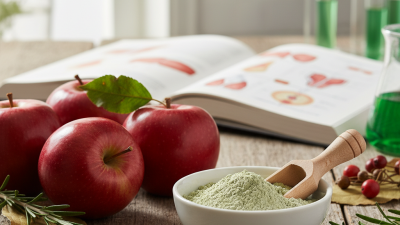
You can check out Carnosic Acid Powder through this link:Carnosic Acid Powder. It’s no longer just a product for specialist rosemary research—it’s now making its way into real-world applications across food, supplements, cosmetics, and other functional ingredients. What makes it so attractive? Well, it’s got strong Antioxidant properties, fits nicely into clean-label trends, and works well with dry formulations. But here’s the thing—don’t just look at a shiny spec sheet and get impressed. You really need to dig a little deeper. Things like the source plant, extraction method, the percentage of carnosic acid, residual solvents, levels of heavy metals, microbial limits, and batch-to-batch consistency can all seriously impact its commercial value.

Market reports from big names like Grand View Research, MarketsandMarkets, and Research and Markets show that demand for natural antioxidants and rosemary extracts continues to grow. Interestingly, though, these reports often don’t treat Carnosic Acid Powder as a separate category. That’s a problem because it makes comparing suppliers trickier and can lead to unsupported marketing claims. The European Food Safety Authority is also pretty clear—any botanical ingredient used in food must be supported by solid evidence to prove its safety. So, importers should always review how it’s going to be used, how much people might be exposed to, and check all the supporting documentation.

Dr. James A. Duke, a well-respected researcher in medicinal plants, once said that “rosemary is a plant with a long history of medicinal use.” That’s true, but just because a plant has been used traditionally doesn’t mean the modern powder from it is automatically top quality. Experience alone isn’t enough; it needs testing and verification. That’s why leading manufacturers of Carnosic Acid Powder tend to combine controlled farming, validated extraction methods, third-party testing, and traceable packaging. You might find different grades—say 10%, 20%, or even higher standardized extracts. Sometimes, a lower price can hide weaker standardization or incomplete documentation, so don’t let that fool you. Even seasoned buyers sometimes overlook details. A good, trustworthy supplier should have clear certificates, solid technical data, enough production capacity, a good audit trail, and strong export support before you make a purchase.

Top Carnosic Acid Powder Manufacturers for Global Buyers

Carnosic Acid Powder: Definition, Uses, and Market Overview

Carnosic Acid Powder: Definition, Uses, and Market Overview

Carnosic acid powder is a concentrated antioxidant compound commonly obtained from rosemary leaves. It is usually produced through extraction, filtration, drying, and controlled milling. The powder may appear pale yellow to brown, depending on its purity and processing method. Rosemary Extract Carnosic Acid is used in food protection, cosmetic formulations, and selected research applications. It can help slow oxidation in oils, creams, and other sensitive materials. However, performance depends on concentration, formulation, storage, and processing temperature.

Global buyers usually compare manufacturers by assay strength, batch consistency, traceability, and technical support. A reliable supplier should provide a current certificate of analysis, HPLC results, heavy-metal data, microbiological testing, and residual-solvent information. Manufacturing conditions also matter. Light, heat, and moisture can affect stability during transport. Demand is growing as manufacturers seek plant-derived antioxidants, but market descriptions are sometimes overly optimistic. Buyers should verify each claim with practical testing.

Tips: Request a small sample before placing a large order. Test solubility, color, odor, and antioxidant performance in your own formula. Confirm packaging, shelf life, minimum order quantity, and export documents. Do not rely on assay percentage alone. A higher number may not deliver better results in every application. I would also review three consecutive batches, because one excellent sample proves very little.

How Carnosic Acid Powder Is Produced and Standardized

Rosemary Carnosic Acid begins with carefully dried rosemary leaves, not a mystery white powder. Producers inspect botanical identity, moisture, and harvest records before extraction. A controlled solvent process draws antioxidant compounds from the plant material. Temperature matters. Excess heat can reduce stability and alter the extract’s profile. The concentrated liquid is filtered, recovered, and dried into a free-flowing powder. In practice, yield varies with cultivar, season, and storage conditions.

Standardization turns a variable botanical extract into a measurable ingredient. Laboratories commonly use validated HPLC methods to quantify carnosic acid and related compounds. Each batch should be checked for identity, assay, moisture, residual solvents, heavy metals, pesticides, and microbiological quality. An accessible certificate of analysis should match the tested lot, not a generic template. That detail supports real traceability. It also helps global buyers compare specifications without relying on appearance alone.

Reliable manufacturers retain reference samples and document each processing step. They should explain how results are calculated, including the dry-basis or as-is basis. Packaging deserves attention too. Light, oxygen, and humidity can affect powder performance during transport. Opaque, sealed containers with lot coding are practical safeguards. No batch is perfectly identical. Buyers should question unusually precise claims, incomplete testing, and specifications that ignore botanical variation. A small pilot evaluation may reveal flow, color, and stability issues before larger orders.

Key Criteria for Evaluating Global Manufacturers

Top Carnosic Acid Powder Manufacturers for Global Buyers

Global buyers should evaluate carnosic acid powder manufacturers through evidence, not polished brochures. The WHO estimates that contaminated food causes about 600 million illnesses annually, showing why supplier controls matter. Ask for batch-specific certificates of analysis, HPLC purity results, heavy-metal testing, residual-solvent data, and microbiological limits. Results should include methods, detection limits, laboratory details, and production dates. A certificate without traceable testing is weak evidence.

Manufacturing experience also appears in process discipline. Check ISO 9001 certification, documented change control, calibrated instruments, and written deviation procedures. The ISO Survey 2023 reports ISO 9001 certification across more than 180 countries and economies, but certification alone cannot prove product quality. Request recent audit findings, corrective-action records, and a sample traceability exercise. Can the manufacturer identify the raw-material lot within one working day? That answer matters.

Review extraction yield, marker consistency, moisture control, packaging barriers, and storage data. If the powder travels through humid ports, moisture-resistant bags and temperature records become practical requirements. The European Pharmacopoeia and AOAC resources demonstrate why validated analytical methods matter, yet carnosic acid specifications may differ by application and market. Do not compare percentages blindly. One weakness remains easy to miss: many suppliers provide excellent laboratory data but limited field history. Ask for anonymized shipment performance, complaint rates, and stability results from real distribution conditions. Credibility grows through verifiable records.

Top Carnosic Acid Powder Manufacturers for Global Buyers - Key Criteria for Evaluating Global Manufacturers

Evaluation Criterion Buyer-Defined Target or Practical Benchmark Documents or Checks to Request Importance Why It Matters
Carnosic Acid Assay Specify the required assay, such as a standardized percentage by HPLC. The exact specification should match the intended application and local regulations. Batch-specific certificate of analysis, HPLC method, chromatogram, reference standard information, and test date. High Confirms potency and supports consistent formulation or manufacturing performance.
Botanical Source Clearly identified rosemary or other permitted botanical source, including the plant part used and country of origin. Raw-material specification, botanical identification, supplier qualification records, and traceability documentation. High Source affects composition, authenticity, traceability, and regulatory acceptance.
Extraction Technology A documented extraction and purification process suitable for the declared product specification, with controlled processing parameters. Process flow diagram, solvent statement, purification description, change-control procedure, and process validation summary where available. High The process influences purity, residual solvents, color, odor, and batch-to-batch consistency.
Residual Solvents Complies with the applicable limits in the destination market. Limits depend on the solvent and the regulatory framework used. Batch-specific residual-solvent test report using a suitable chromatographic method, plus the solvent list used during production. High Important for safety, export compliance, and acceptance in food, supplement, cosmetic, or technical applications.
Heavy Metals and Elemental Impurities Meets destination-market requirements for relevant elements, with limits defined in the purchase specification. ICP-MS or equivalent laboratory report covering relevant elements such as lead, arsenic, cadmium, and mercury. High Botanical materials can require monitoring for environmental contamination and supply-chain risks.
Microbiological Quality Complies with the microbiological limits applicable to the intended product category and destination market. Total aerobic count, yeast and mold, and specified pathogen results from an accredited or qualified laboratory. High Supports product safety and helps determine suitability for downstream manufacturing.
Pesticide and Contaminant Control Testing program appropriate to the botanical source, growing region, and import requirements of the destination country. Pesticide multi-residue report, aflatoxin or mycotoxin results where applicable, and contaminant risk assessment. High Agricultural and environmental contaminants can create import, safety, and recall risks.
Quality Management System Documented GMP-based quality system with controlled specifications, deviation handling, CAPA, complaints, and change control. Quality manual summary, audit response, GMP certificate where applicable, and sample SOP index. High Shows whether quality is managed systematically rather than relying only on final-product testing.
Third-Party Certifications Certifications should match the intended use, such as food, dietary supplement, cosmetic, organic, or halal requirements. Current certificates showing legal entity, site address, scope, issuing body, and expiration date. Medium Certifications can simplify qualification but should be verified against the actual manufacturing site and product scope.
Identity and Adulteration Testing Positive botanical identity and appropriate marker-compound profile; testing should be selected according to adulteration risk. Chromatographic fingerprint, microscopy or DNA testing where relevant, and identity test procedure. High Helps distinguish authentic botanical extract from undeclared carriers, substitutes, or diluted material.
Stability and Shelf Life Shelf life supported by real-time or accelerated stability data under stated packaging and storage conditions. Stability protocol, time-point results, retest date, recommended storage temperature, humidity guidance, and light-protection requirements. Medium Carnosic acid products may be sensitive to oxidation, heat, light, and unsuitable packaging conditions.
Particle Size and Physical Properties Particle-size distribution, bulk density, color, odor, and flow characteristics defined according to the buyer's process needs. Physical specification, sieve or laser-diffraction data, sample inspection, and compatibility trial in the buyer's production process. Medium Physical properties affect blending, filling, dispersion, handling, and finished-product appearance.
Packaging and Shipping Protection Food- or pharmaceutical-suitable inner liner, tamper-evident outer packaging, lot identification, and protection from moisture, oxygen, and light when required. Packaging specification, photographs or samples, packing list, shipping conditions, and transport qualification information. Medium Correct packaging helps preserve potency and prevents contamination during international transport.
Traceability and Recall Readiness Each lot traceable from botanical raw material through processing, testing, packing, and shipment. Lot-number format, traceability exercise, recall procedure, retention-sample policy, and supplier records. High Essential for investigations, customer complaints, regulatory inquiries, and targeted recalls.
Production Capacity and Supply Continuity Capacity should be demonstrated against the buyer's forecast, with defined lead times and contingency plans for raw-material shortages. Capacity statement, recent production schedule, forecast process, safety-stock policy, and business-continuity plan. Medium A qualified supplier must also be able to deliver consistently at the required scale.
Minimum Order Quantity and Commercial Terms MOQ, sample policy, payment terms, Incoterms, quotation validity, and price-adjustment conditions clearly documented. Formal quotation, pro forma invoice, sample agreement, and written commercial terms. Medium Transparent terms improve cost comparison and reduce unexpected procurement risks.
Regulatory and Export Documentation Documentation appropriate to the importing country and intended use, without unsupported claims about regulatory approval. Product specification, SDS, allergen statement, non-GMO statement where applicable, origin documents, and export records. High Documentation gaps can delay customs clearance, registration, or customer approval.
Technical Support and Communication Responsive support for specifications, sample testing, formulation questions, nonconformities, and document updates. Response-time commitment, technical contact details, sample evaluation workflow, and corrective-action process. Medium Good technical communication reduces qualification time and helps resolve quality issues efficiently.
The benchmarks above are buyer-evaluation criteria rather than performance claims about any specific manufacturer. Final acceptance limits should be established according to the product category, intended use, and regulations of the destination market.

Leading Carnosic Acid Powder Manufacturers by Production Strength

Production strength is a practical measure when evaluating carnosic acid powder manufacturers. It reflects more than the size of a facility. Reliable suppliers usually maintain controlled extraction lines, stable raw material sourcing, and documented batch records. Their teams should understand how rosemary origin, drying temperature, and extraction conditions affect carnosic acid concentration.

Capacity matters during large orders. A strong manufacturer can often support pilot quantities, regular commercial batches, and seasonal demand without changing the agreed specification. Look for clear information about production volume, reserve inventory, and lead times. A well-managed facility should also use calibrated equipment, separated processing areas, and traceable lot coding. Details matter.

Quality testing should be visible and repeatable. Independent or in-house laboratories may verify identity, assay, moisture, heavy metals, microbial limits, and residual solvents. Buyers should request recent certificates, sampling procedures, and stability data instead of relying on polished claims. Manufacturing strength without testing discipline is incomplete. It sounds impressive, but it proves little.

Experienced suppliers usually explain limitations honestly. Natural extracts can show minor color or odor differences, even under controlled processing. That variation deserves evaluation, not automatic rejection. Still, large deviations may signal weak process control. Buyers can compare three consecutive batches, review packaging protection, and confirm storage conditions before signing a long-term agreement. No factory is flawless. Careful verification remains necessary.

Top Carnosic Acid Powder Manufacturers for Global Buyers

Leading Carnosic Acid Powder Manufacturers by Production Strength

The chart compares commonly published commercial standardization levels for rosemary-derived carnosic acid powder, from entry-level extracts to high-assay products. Higher assay levels generally require stronger extraction, purification, testing, and quality-control capabilities. The figures represent product specification levels rather than company-specific production volumes.

Quality Testing, Certifications, and Regulatory Compliance

Global buyers evaluating Carnosic Acid Powder should begin with documented quality testing. Reliable manufacturers provide a batch-specific Certificate of Analysis, not a generic template. The report should show assay results, appearance, moisture, and particle size. HPLC testing can confirm Carnosic Acid In Rosemary and reveal unwanted related compounds. Samples should also undergo microbiological screening. Heavy metals, pesticide residues, and residual solvents require clear acceptance limits.

Certifications strengthen confidence, but certificates alone prove little. Buyers should verify current GMP, ISO 9001, HACCP, or food-safety credentials with issuing bodies. The manufacturing site should maintain controlled records, calibrated instruments, and traceable raw-material lots.

Packaging details matter too. A sealed light-resistant container can help protect powder quality during storage and transport. Ask for stability data under realistic temperature and humidity conditions.

Regulatory compliance varies by destination and intended use. Exporters should provide specifications, allergen statements, SDS documents, and origin records. They should also explain whether the powder is intended for food, supplements, cosmetics, or technical applications. A supplier that avoids precise answers deserves caution. Yet, even experienced quality teams can miss a weak supplier document or outdated certificate. Independent testing remains sensible for the first shipment and for major formulation changes. No checklist is perfect. Careful review still reduces avoidable risk.

How Global Buyers Can Compare Suppliers and Place Orders

Global buyers comparing Carnosic Acid Powder manufacturers should start with evidence, not attractive product photos. Ask for a recent certificate of analysis, batch number, assay method, moisture level, heavy metal results, and microbiological data. HPLC testing is especially useful for confirming purity and consistency. Request a small sample from the same production line used for larger orders. Samples can impress, yet production batches may vary.

Review the supplier’s experience with Carnosic Acid Extraction and botanical raw materials. Check whether the technical team explains extraction solvents, carrier ingredients, particle size, and storage conditions clearly. A reliable supplier should provide traceability from raw material to finished powder. Confirm the minimum order quantity, lead time, packaging material, and shelf life in writing. Clear answers matter more than polished promises.

Before placing an order, compare quotations using the same specifications. Include assay range, packaging weight, delivery terms, payment schedule, and inspection requirements. Ask how damaged cartons or failed test results will be handled. Do not ignore import documents and destination-country requirements. A low price may reflect efficiency, but it may also hide weaker testing or unstable supply. This is where buyers should slow down. I would also record every question and reply, because memory becomes unreliable during long negotiations. Request a pre-shipment inspection when the order value is significant, then approve the final artwork and shipping marks before dispatch.

Tetrahydrocurcumin Powder: Benefits, Uses, Quality Factors, and Buying Guide

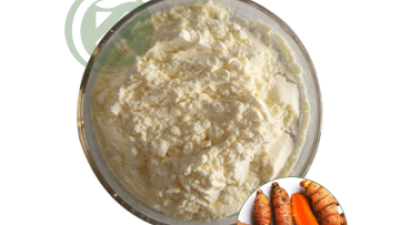
Tetrahydrocurcumin powder is a hydrogenated metabolite of curcumin valued for its antioxidant and skin-brightening potential. Unlike curcumin, it is naturally off-white, making it attractive for cosmetic formulations where strong yellow coloration is undesirable. Industry market research, including Grand View Research, estimates the global curcumin market at approximately USD 145 million in 2023, reflecting continuing demand for turmeric-derived ingredients in dietary supplements, personal care, and pharmaceutical development. However, product benefits should be supported by formulation testing and applicable regulatory review rather than overstated health claims.

For bulk purchasing, quality verification is essential. A suitable specification is 98% tetrahydrocurcumin, confirmed by HPLC, with CAS No. 36062-04-1, consistent appearance, and a two-year shelf life under recommended storage conditions. Documentation such as GMP, ISO 9001, ISO 22000, HACCP, KOSHER, and HALAL certifications can help buyers evaluate manufacturing controls and market suitability. Natural, non-additive, non-GMO material processed by heat only may also support clean-label requirements. Reliable suppliers should provide free samples, transparent test reports, flexible payment terms, and stable production capacity—such as 2,000 kg per month—with warehouse delivery available within one day for qualified orders.

FAQS

What shows a manufacturer has strong production capability?

Look for controlled extraction lines, stable raw material sourcing, and documented batch records. Ask about production volume, reserve inventory, and lead times. Capacity matters.

Why is batch traceability important?

Traceable lot codes connect raw materials with finished powder. They help buyers investigate inconsistent results, damaged packaging, or delayed shipments. Records should be easy to review.

Which quality tests should buyers request?

Request identity, assay, moisture, heavy metals, microbial limits, and residual solvent results. HPLC testing can help confirm purity and consistency. Recent certificates are more useful than attractive claims.

Should buyers test samples before ordering large quantities?

Yes. Request a small sample from the same production line used for commercial batches. Compare it with later batches, because samples can look better than regular production.

How can buyers compare supplier quotations fairly?

Use identical specifications for every quotation. Include assay range, package weight, delivery terms, payment schedule, and inspection requirements. A low price may hide weaker testing.

What production details should a technical team explain?

The team should explain extraction conditions, raw material origin, particle size, carrier ingredients, and storage needs. Clear answers show practical knowledge. Vague answers deserve caution.

Can natural powder vary in color or odor?

Minor differences can occur, even with controlled processing. Large changes may indicate weak process control. Compare three consecutive batches before making a final judgment.

What should buyers confirm before shipment?

Confirm packaging materials, shelf life, shipping marks, and destination-country documents. For valuable orders, request a pre-shipment inspection. I would record every reply, too. Memory fails.

Conclusion

Carnosic Acid Powder is a plant-derived antioxidant ingredient widely used in food preservation, dietary supplements, cosmetics, and functional formulations. This article explains its main applications, market characteristics, and the production process, including extraction, purification, drying, and standardization to achieve consistent potency and stability. It also highlights the importance of evaluating manufacturers based on production capacity, raw material sourcing, technical expertise, batch consistency, and supply reliability.

For global buyers, quality testing and regulatory compliance are essential when selecting a Carnosic Acid Powder supplier. Key considerations include identity and purity analysis, contaminant screening, documentation, certifications, packaging standards, and traceability. The article also compares manufacturers according to production strength and outlines practical steps for requesting samples, reviewing specifications, confirming minimum order quantities, assessing lead times, and placing international orders. By applying these criteria, buyers can make informed sourcing decisions and establish dependable long-term supply relationships.

Lucas

Lucas

Lucas is a dedicated marketing professional at Xi'an KINTAI Biotech Inc., where he leverages his in-depth knowledge of the company's products to deliver exceptional value to clients. With a strong commitment to quality, Lucas emphasizes the company's complete quality control system, ensuring that......
Previous 7 Rosemary Extract Buying Tips for Global Buyers