

Pharm Ingredients
D-Glucuronolactone Powder
What Is D-Glucuronolactone Powder?
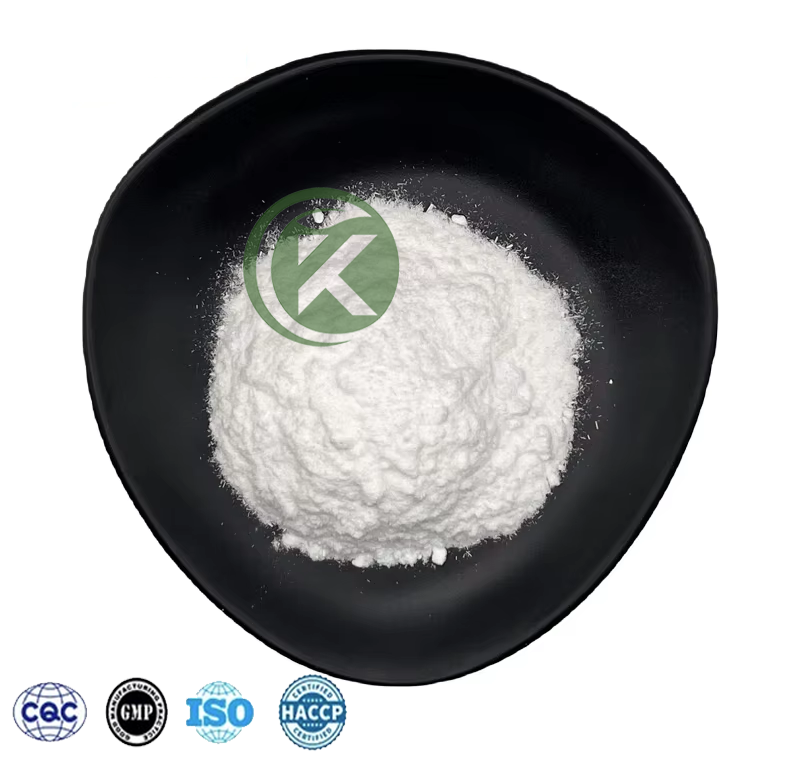
Kintainutri® D-Glucuronolactone Powder, with the chemical formula C₆H₈O₆, is an endogenous metabolite naturally produced in the body from glucose. It appears as a white crystalline powder and is readily soluble in water. As a naturally occurring bioactive substance, it plays a vital role in hepatic detoxification and metabolism. It is also widely used as an ingredient in functional foods, energy drinks, skincare products, and feed additives. Available in specifications of 98%–99%, Kintainutri® Glucuronolactone offers high purity and consistent quality, serving as a reliable raw material choice for clients across various industries.
Hyodeoxycholic Acid Powder Specification
| Test Item | Specification | Test Method |
|---|---|---|
| Appearance | White crystal or crystalline powder | Organoleptic |
| Identification | Positive | HPLC |
| Specific Optical Rotation | +18.0 ~ +20.0 ° | General Rule 0621 |
| Melting Point | 170~176 °C, simultaneous decomposition during melting | General Rule 0612 |
| Clarity and color of the solution | The solution should be clear and colorless | General Rule 0902 |
| Loss On Drying | ≤ 0.5 % | GB 5009.3 |
| Residue On Ignition | ≤ 0.1 % | GB 5009.4 |
| Heavy Metals | ≤ 10 ppm | General Rule 0821 |
| Assay (Dry basis) | 98.5~102.0 % | HPLC |
| Residual Solvents | Methanol, ≤ 200 mg/kg | General Rule 0861 |
| Residual Solvents | Ethanol, ≤ 5000 mg/kg | General Rule 0861 |
| Aerobic Plate Count | ≤ 1000 CFU/g | GB4789.2 |
| Molds and Yeasts | ≤ 100 CFU/g | GB4789.15 |
| Escherichia. Coli | < 3.0 MPN/g | GB4789.38 |
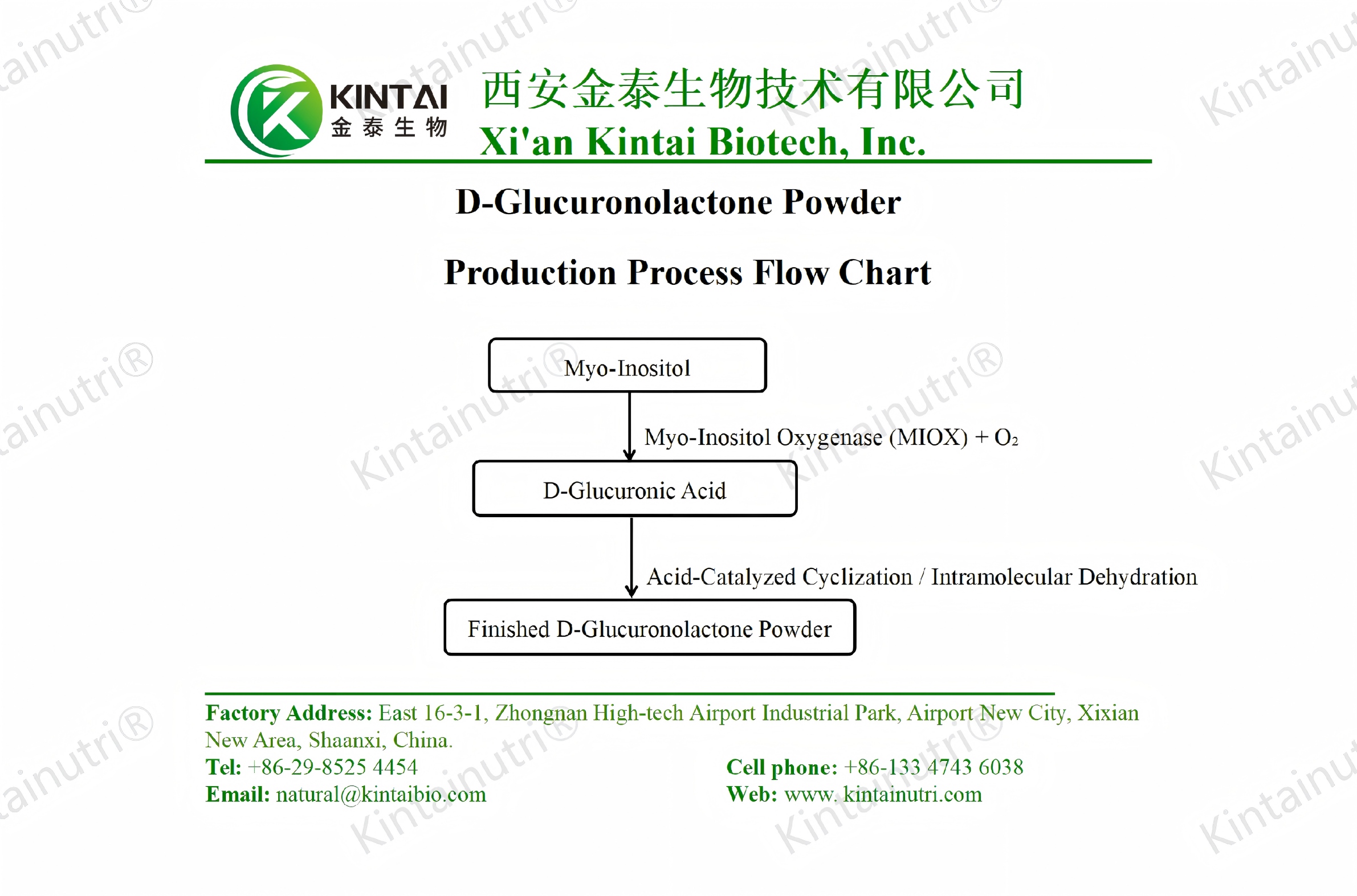
How Is D-Glucuronolactone Powder Made?
D-Glucuronolactone Powder Benefits
Glucuronolactone Cancer
In the body, D-glucuronolactone powder is oxidized by dehydrogenase to form D-glucaro-1,4-lactone, a potent inhibitor of β-glucuronidase. β-Glucuronidase hydrolyzes glucuronide conjugates, and elevated activity of this enzyme has been associated with an increased risk of various cancers, particularly hormone-dependent cancers such as breast and prostate cancer.
By inhibiting this enzyme, glucuronolactone helps reduce the release of carcinogen precursors from their conjugated forms and enhances the body's ability to clear potential carcinogens. As an endogenous metabolite, glucuronolactone is supported by fundamental scientific research regarding liver protection, detoxification, and cancer prevention, making it a pharmaceutical functional ingredient worthy of attention.
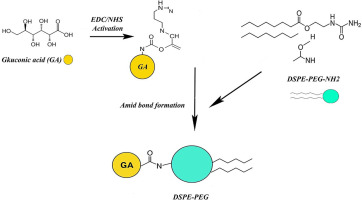
Glucuronic Acid Lactone For Skin
Glucuronolactone functions primarily as a mild keratin-conditioning agent in skincare products. Its mechanism of action involves reducing intercellular adhesion among keratinocytes in the basal layer, thereby facilitating the smooth shedding of aged keratin and preventing the clogging of hair follicle openings; this helps improve conditions such as closed comedones and acne. Compared to conventional exfoliants, glucuronolactone is gentler and less irritating, making it suitable for daily care products designed for sensitive or oily, acne-prone skin.
Studies have shown that, when combined with other ingredients, it can improve skin condition through multiple pathways, offering the dual benefits of keratin regulation and soothing repair. This makes it a promising ingredient for functional skincare products targeting problem-prone skin.
Glucuronic Acid Lactone Liver
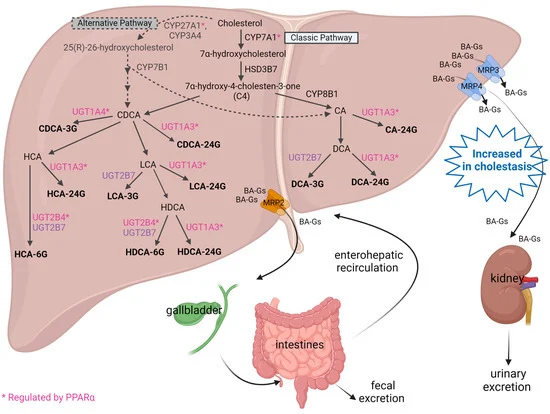
In the liver, glucuronolactone dehydrogenase oxidizes glucuronolactone to D-glucaric acid, which is subsequently converted to D-glucaric acid-1,4-lactone, a potent competitive inhibitor of β-glucuronidase. By inhibiting this enzyme's activity, it reduces the hydrolysis of glucuronide conjugates in the body, thereby maintaining normal detoxification metabolic pathways.
In terms of physiological effects, D-Glucurono-6,3-lactone lowers serum AST and GGT levels, reduces hepatic fat and triglyceride accumulation, enhances total antioxidant capacity and catalase activity, and inhibits the expression of pro-inflammatory factors as well as apoptosis. Overall, as an endogenous precursor with clearly defined metabolic targets and a favorable safety profile, glucuronolactone holds significant application value in areas such as liver-protective ingredients, functional components for metabolic health, and feed additives.
What Is D-Glucuronolactone Powder Used For?
D Glucuronolactone In Energy Drinks
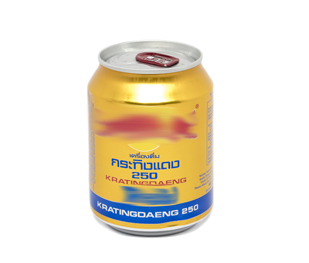
Glucuronolactone is a common ingredient in energy drinks such as Red Bull, with a standard 250 mL serving containing approximately 600 mg. Acting synergistically with taurine and caffeine, it is believed to regulate muscle energy metabolism and enhance muscular glucose uptake; these properties help improve athletic performance and alleviate fatigue, thereby supporting its value in functional beverages.
Glucuronolactone Supplement
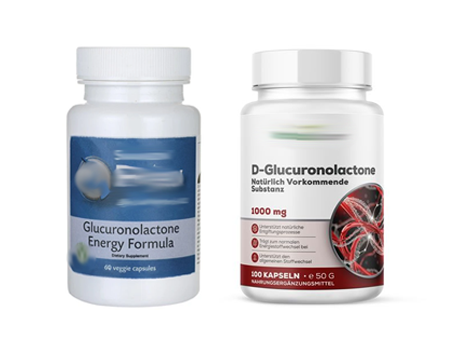
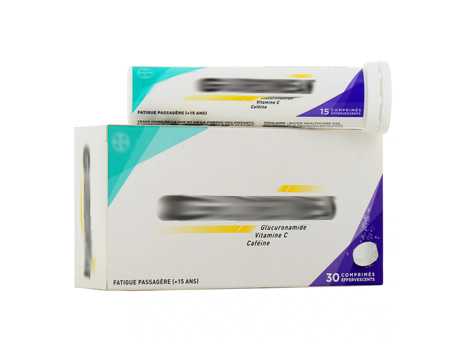
Glucuronolactone is a naturally occurring compound and a metabolite of glucose; it is commonly added to energy drinks and dietary glucuronolactone supplements to boost energy, support detoxification, and enhance athletic performance. As a dietary supplement, it primarily targets individuals interested in liver health and metabolic support. By facilitating glucuronidation, it aids in the elimination of metabolic waste products from the body, making it suitable for daily maintenance among those concerned with maintaining internal balance, as well as those who consume alcohol regularly or occasionally stay up late. In sports nutrition supplements, glucuronolactone is often used synergistically with ingredients such as caffeine and taurine to help sustain physical performance during high-intensity training.
Glucuronolactone in Pharma
In the medical field, glucuronolactone serves as an agent that promotes hepatic detoxification, helping to improve liver function and facilitate the elimination of toxins. It is among the most widely used liver-protective drugs and common detoxifying agents in several countries. Consequently, it has been utilized in various studies. Research indicates that while glucuronolactone alone does not delay the progression of liver cancer, its combination with hydrocortisone demonstrates a degree of hepatoprotective effect during the early stages of the disease, highlighting the potential value of combination therapy.
Feed Additive
Glycurone shows promising application prospects in the feed and animal husbandry industry. Supplementing the diets of laying hens with 280 mg/kg of glucuronolactone significantly increases egg production rates and egg weight while improving brown pigment deposition on the eggshell. As an endogenous glucose metabolite, glucuronolactone is safe to use; it helps alleviate the hepatic metabolic burden on laying hens during periods of high productivity and extends the peak laying period.
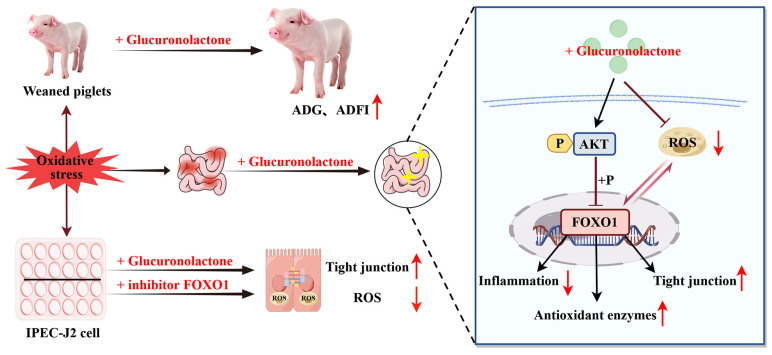
Adding 200 mg/kg of glucuronolactone to the diets of weaned piglets significantly increases average daily gain and feed intake while reducing the incidence of diarrhea. It also yields significant metabolic benefits when added to high-fat diets for fish; specifically, supplementing high-fat diets for juvenile flatfish with 200–600 mg/kg of glucuronolactone mitigates high-fat-induced growth inhibition and metabolic disorders, making it a functional feed additive worthy of further development.
D-Glucuronolactone Powder Side Effects
As an endogenous metabolite, glucuronolactone powder demonstrates a favorable safety profile; no definitive adverse effects have been reported at dosages typical of dietary supplementation or clinical use. It is classified as practically non-toxic in terms of acute toxicity, and no significant adverse reactions have been observed in long-term, high-dose animal studies or in human subjects consuming several grams daily.
It is worth noting that consuming D-Glucuronic acid lactone in combination with caffeine, a common ingredient in energy drinks, may increase the risk of symptoms such as nervousness, restlessness, or heart palpitations.However, such symptoms are generally attributed to the caffeine rather than the glucuronolactone itself. While high-dose exposure warrants attention regarding potential risks such as renal papillary inflammation, the substance remains safe and manageable at standard intake levels. Overall, no clear adverse effects have been reported within the scope of normal use.
D-Glucuronolactone Powder Dosage
Glucuronolactone dosage varies by application: functional beverages typically contain approximately 600 mg per 250 mL, with daily intake generally ranging from 108 to 1,200 mg. Animal studies have reported an oral LD50 of more than 10,000 mg/kg in rats, indicating a very low level of acute toxicity. No significant adverse effects were observed following long-term, high-dose administration, and human clinical trials have also demonstrated good tolerability at daily doses of several grams.Compared to dietary sources, the daily intake of glucuronolactone among regular energy drink consumers can be up to 500 times higher than that from a standard diet. Clinically, it has been used for the long-term treatment of chronic typhoid carriers at daily doses of one to several grams, with good tolerability.
Regarding feed additives, recommended inclusion rates are 280 mg/kg of diet for laying hens, 200 mg/kg for weaned piglets, and 200–600 mg/kg for juvenile flatfish (such as flounder and sole) in aquaculture; in cosmetics, it serves as a skin-conditioning agent, with specific dosages determined by the formulation. Appropriate dosage for practical application should be determined based on product type and regulatory requirements, ideally under professional guidance.
Kintainutri® D-Glucuronolactone Powder Advantages
Kintainutri® is more than just a supplier of high-purity d-glucuronolactone powder with 98%–99% purity; we are your trusted technical partner. From product consultation and technical support to customized solutions, we provide comprehensive one-stop services to support efficient product development and formulation optimization.
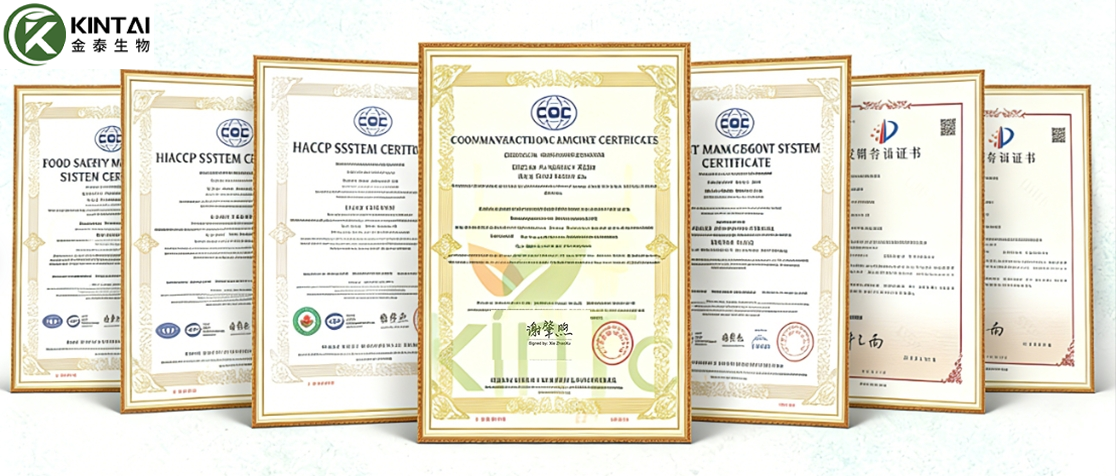
Backed by a rigorous quality management system and stable production capabilities, we ensure reliable product quality in every batch. By choosing Kintainutri®, you gain access to professional, efficient, and trustworthy long-term service. Please feel free to contact us for further product details or to request samples; we are ready to provide comprehensive support and service.
*Kintainutri® Promise All Products: Non-Irradiated / Non-ETO/ Treat by Heat Only / Non-GMO
Reference:
[1]: https://pmc.ncbi.nlm.nih.gov/articles/PMC1264951/
[2]: https://pmc.ncbi.nlm.nih.gov/articles/PMC12945871/
[3]: https://pmc.ncbi.nlm.nih.gov/articles/PMC1276843/
[4]: https://pmc.ncbi.nlm.nih.gov/articles/PMC12071164/
[5]: https://pmc.ncbi.nlm.nih.gov/articles/PMC11939252/
[6]: https://pmc.ncbi.nlm.nih.gov/articles/PMC13113150/
[7]: https://ec.europa.eu/food/fs/sc/scf/out22_en.html
[8]: https://pmc.ncbi.nlm.nih.gov/articles/PMC10780850/#sec8-nutrients-16-00024
FAQ
-
Does D-glucuronolactone powder provide energy?
-
What does D-glucuronolactone powder do?
About Us