

Pharm Ingredients
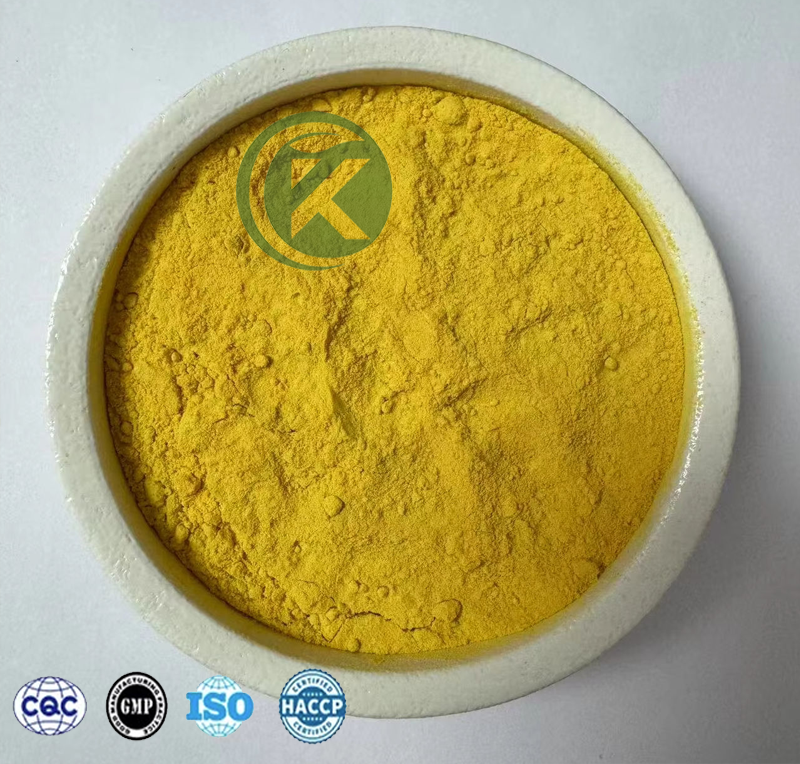
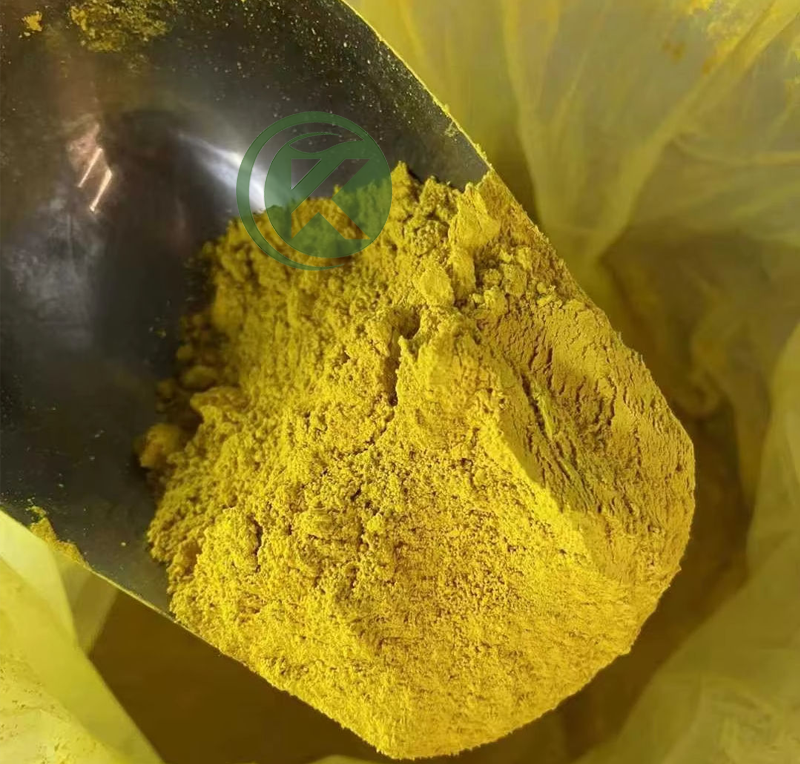
Dihydroberberine DHB Powder
What Is Dihydroberberine DHB Powder?
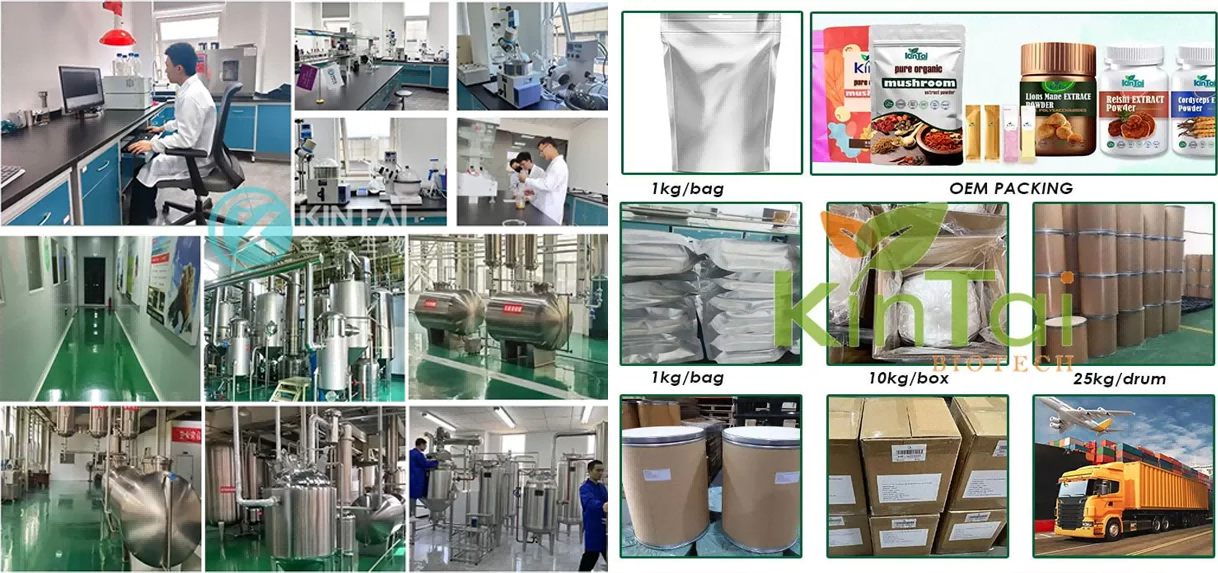
Kintainutri® Dihydroberberine (DHB) powder is available in specifications of 50%, 97%, 98%, and 99%. As a professional supplier of DHB raw materials, we leverage our proprietary standardized production processes and a robust supply chain to ensure consistent quality and full traceability across batches. We strictly adhere to USP quality standards, offering reliable purity and proven processing technology to support diverse product lines.
| Product Name | Source | Best-selling Specifications |
|---|---|---|
| Dihydroberberine Powder | Berberis, Coptis Chinensis, Phellodendron Amurense |
50% |
| 97% | ||
| 98% | ||
| 99% |
Dihydroberberine (DHB) powder is a naturally derived, hydrogenated active derivative of berberine (BBR), obtained from traditional plants such as Coptis chinensis (Goldthread), Phellodendron amurense (Amur Cork Tree), and Berberis species. Compared to standard berberine, its optimized molecular structure significantly enhances absorption efficiency; it boasts a bioavailability 5–10 times higher than that of berberine, allowing for potent physiological activity at lower dosages. By activating the AMPK pathway, this ingredient demonstrates clear value in blood glucose and lipid management, metabolic regulation, and weight loss.
Dihydroberberine DHB Powder Specification
| ITEMS | SPECIFICATIONS | TEST METHOD |
|---|---|---|
| Assay | ≥98.0% | HPLC |
| Appearance | Yellow Powder | Visual |
| Odor&Taste | Characteristic | Visual&Taste |
| Particle Size | 100% Through 80 Mesh | USP |
| Loss on Drying | ≤1.0% | USP |
| Ash | ≤1.0% | USP |
| Pesticide Residue | Meets the requirement | USP |
| Residual Solvent | Meets the requirement | EP |
| Heavy Metals | ≤10ppm | USP |
| Arsenic | ≤2ppm | ICP-MS |
| Mercury | ≤0.1ppm | ICP-MS |
| Cadmium | ≤1ppm | ICP-MS |
| Lead | ≤2ppm | ICP-MS |
| Total plate count | ≤1000cfu/g | USP |
| Mould&Yeast | ≤100cfu/g | USP |
| E.Coli | Negative | USP |
| Salmonella | Negative | USP |
| Staphylococcus | Negative | USP |
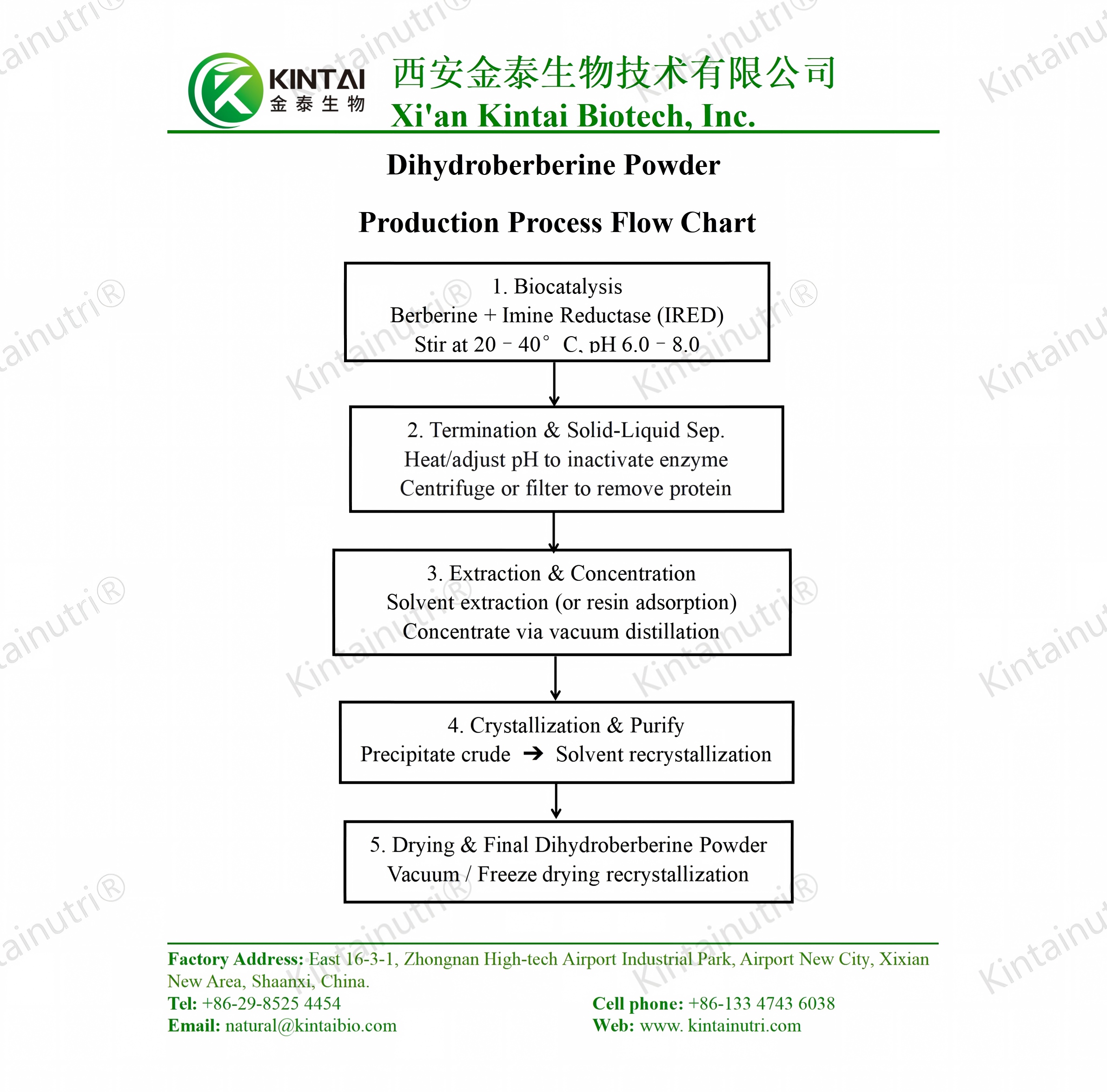
How To Make Dihydroberberine DHB Powder?
Dihydroberberine DHB Powder Benefits
Dihydroberberine for weight loss
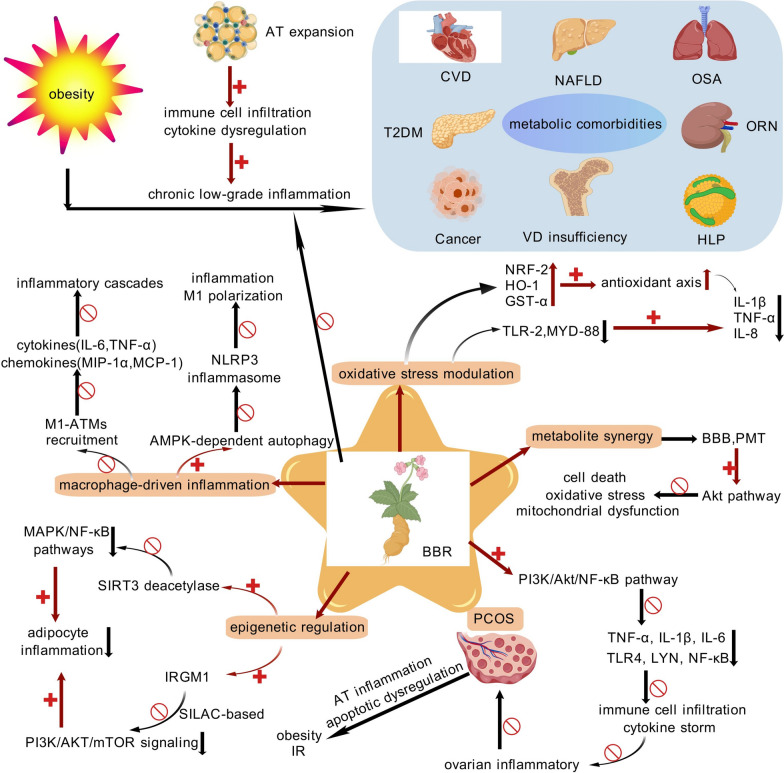
Applications of dihydroberberine (DHB) in weight management are supported by preliminary human pharmacokinetic evidence. Its key advantage lies in significantly enhanced plasma berberine exposure; this indicates that DHB can achieve higher levels of the active compound in the body at doses far lower than those required for conventional berberine.
Consequently, it has the potential to more efficiently exert metabolic regulatory effects, such as promoting fatty acid oxidation and inhibiting fat synthesis, through activation of the AMPK pathway. Kintainutri®’s DHB powder is suitable for developing high-bioavailability weight management supplements, offering B2B clients a differentiated solution that enables lower dosages and improved user compliance.
Dihydroberberine benefits for women
Dihydroberberine (dhBBR) demonstrates significant immunomodulatory potential in the field of female reproductive health. By targeting the Rheb/mTOR signaling pathway, dhBBR effectively restores the immune balance between Th17 (pro-inflammatory) and Treg (anti-inflammatory) cells in mouse models of premature ovarian insufficiency (POI); it reduces the proportion of Th17 cells while increasing that of Treg cells, thereby downregulating pro-inflammatory factors such as IL-17 and TNF-α and upregulating anti-inflammatory factors like IL-10 and TGF-β.
This mechanism promotes ovarian follicle development, reduces granulosa cell apoptosis, and restores key hormone levels—including E2, AMH, and FSH—to the normal range, resulting in a significant improvement in ovarian function. These findings suggest that dhBBR holds clear application potential for supporting ovarian function, regulating immune-related reproductive health, and developing menopause-related products, providing a new scientific basis for the differentiated development of functional foods and dietary supplements.
Dihydroberberine lower blood pressure
Berberine (BBR) exerts its antihypertensive effect through direct action on blood vessels: it competitively blocks α1-receptors on vascular smooth muscle cells and induces endothelial cells to release nitric oxide (NO), thereby causing vasodilation. Simultaneously, it mediates both endothelium-dependent and endothelium-independent vasodilation through multiple pathways, such as activating 4-aminopyridine- and Ba²⁺-sensitive K⁺ channels and inhibiting Ca²⁺ release from caffeine-sensitive stores, while also inhibiting vascular smooth muscle proliferation.
These dual effects collectively provide BBR with long-term protective value for the vascular system. As a high-bioavailability derivative of berberine, dihydroberberine powder can theoretically amplify these vasodilatory and anti-proliferative effects several-fold, achieving more stable blood pressure regulation at lower dosages; this makes it a highly efficient, low-dose, and differentiated ingredient choice for cardiovascular health functional foods, particularly suitable for synergistic formulations with magnesium, vitamin C, and other nutrients.
What Is Dihydroberberine DHB Powder used for?
Dihydroberberine Supplement
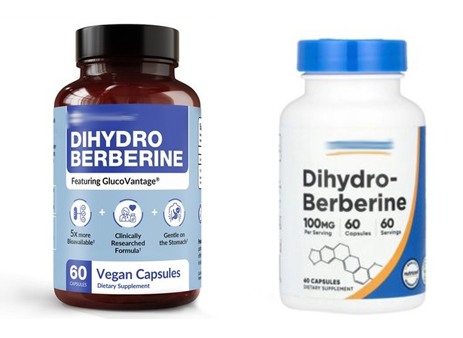
With its breakthrough bioavailability, dihydroberberine is redefining metabolic health support as "Super Berberine" Compared to conventional berberine, it achieves higher plasma concentrations at significantly lower dosages, effectively addressing key pain points such as poor absorption and the tendency to cause diarrhea. It delivers efficacy comparable to traditional berberine in weight management, blood sugar support, and metabolic health products, while improving gastrointestinal tolerability due to the lower required dose. Its distinctive properties and diverse product formats (such as dihydroberberine gummies) provide strong support for brands developing premium "Berberine 2.0" product lines.
Pharmaceutical Sector
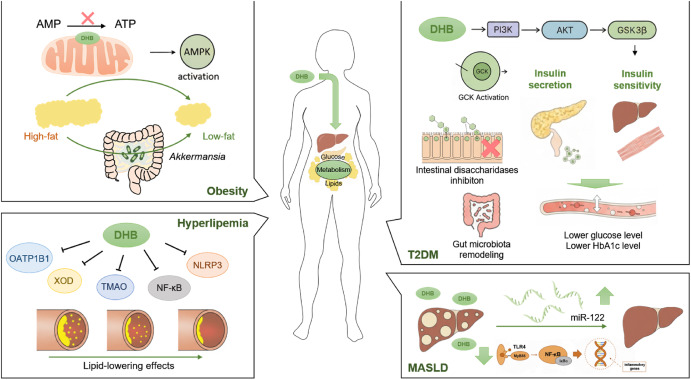
As a highly bioavailable berberine derivative, dihydroberberine (DHB) powder demonstrates multi-target therapeutic potential in the pharmaceutical field. Its primary mechanism involves activating the AMPK pathway to effectively alleviate insulin resistance and stabilize blood glucose levels, while simultaneously promoting cholesterol clearance and exerting anti-atherosclerotic effects.
Furthermore, by modulating gut microbiota and inhibiting chronic inflammation, DHB offers comprehensive intervention for metabolic syndrome, obesity, and related complications. Formulations such as dihydroberberine capsules, diabetes, tablets are particularly suitable for patients with chronic conditions requiring long-term medication, and the compound holds promise for expansion into therapeutic areas such as anti-inflammatory treatment and the regulation of gut microecology.
Dihydroberberine DHB Powder Side Effects
The side effects of dihydroberberine (DHB) are generally mild and well-tolerated. The most common adverse reactions include mild issues such as headache, nausea, and gastric discomfort; no clinically significant abnormalities have been observed in hematological or metabolic markers. These findings indicate a favorable safety profile for short-term use, though long-term safety requires further study.
Although dihydroberberine is distinct from berberine, its structural similarity warrants attention regarding potential risks in the context of bodybuilding. While berberine offers blood sugar-lowering and fat-reducing effects, it also promotes muscle loss and can lead to muscle atrophy. As an advanced derivative, dihydroberberine may amplify metabolic effects through enhanced bioavailability, but it could also pose a heightened risk of muscle loss—a factor that should be considered when formulating products for the fitness community. It is recommended to combine DHB with anabolic ingredients (such as HMB, leucine, or EAAs) to counteract potential adverse effects, while simultaneously gathering more data on long-term safety.
Dihydroberberine DHB Powder Dosage
Dihydroberberine (DHB) achieves in vivo exposure levels far exceeding those of conventional berberine, even at very low doses. Comparative pharmacokinetic studies demonstrate that the area under the plasma concentration-time curve (AUC) for DHB is significantly larger than that of berberine. Consequently, the recommended single dose of DHB is typically 100–200 mg (taken 1–2 times daily, for a total daily dose of 100–400 mg), which is significantly lower than the dosage of conventional berberine (500 mg per dose, 1500 mg daily).
This approach ensures efficacy while substantially reducing the burden of administration and the risk of potential gastrointestinal discomfort. Kintainutri® recommends using a starting dose of 100–200 mg per serving during formulation development, adjusting this based on the target demographic and product positioning, while also prioritizing the accumulation of safety data regarding long-term use.
Where To Buy Dihydroberberine DHB Powder?
Choose Kintainutri® Dihydroberberine powder. We are committed to providing premium-quality ingredients characterized by high purity, high bioavailability, and superior stability. Available in specifications of 50%, 97%, 98%, and 99%, our products help you build a differentiated competitive edge in high-demand sectors such as metabolic health, weight management, and cardiovascular support. From raw material quality control to application development, Kintainutri® offers comprehensive technical support and customized services, ensuring safe and reliable ingredient solutions for your products. Contact us today to request samples and technical documentation.
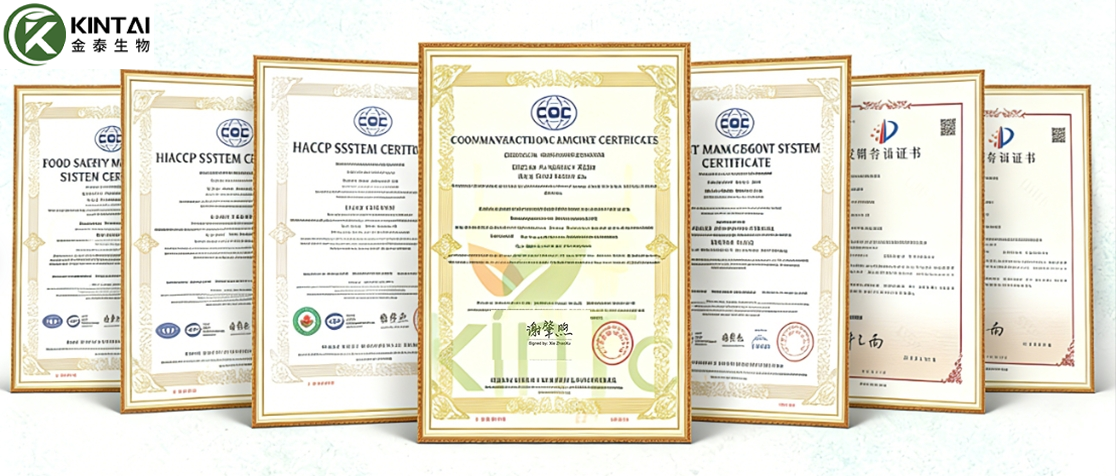
*Kintainutri® Promise All Products: Non-Irradiated / Non-ETO/ Treat by Heat Only / Non-GMO
FAQ
-
Is dihydroberberine DHB powder safe?
-
How much dihydroberberine powder per day for weight loss?
-
How much dihydroberberine powder should i take daily?
-
Can you take dihydroberberine DHB powder with metformin?
About Us