

Peptides

Mung Bean Peptide Powder
Mung Bean Peptide Powder
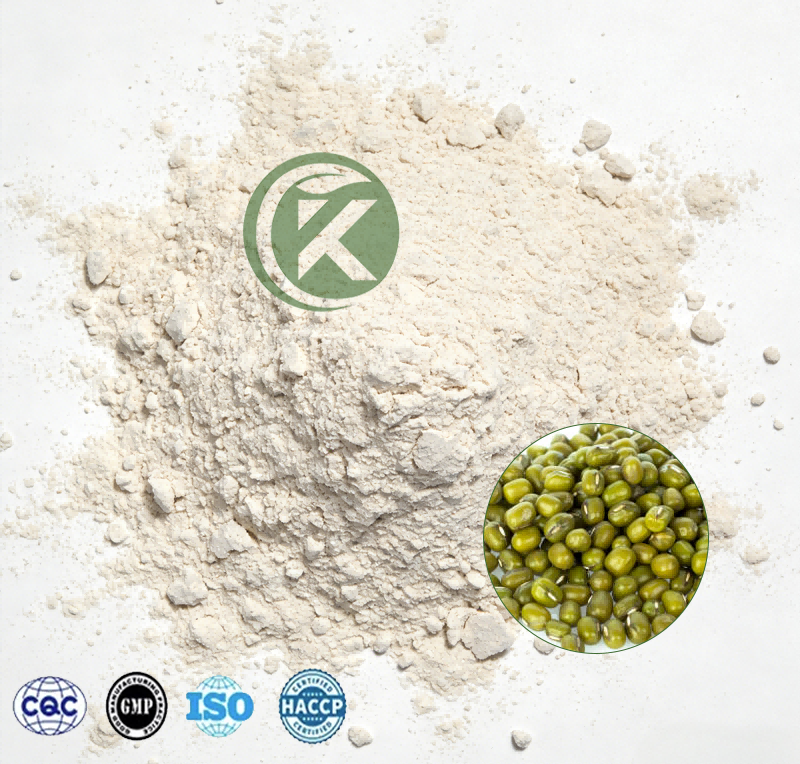
Kintainutri® utilizes premium mung beans (Vigna radiata L.), leveraging their high protein content (20%–33%) and superior amino acid profile to produce high-purity mung bean peptide powder through targeted enzymatic hydrolysis. The product features small-molecule oligopeptides (molecular weight ≤500 Da; protein purity ≥98%) that offer excellent antioxidant, anti-inflammatory, and blood-pressure-lowering properties, alongside outstanding water solubility and transdermal absorption rates.
As a primary manufacturer, Kintainutri® specializes in the large-scale supply of small-molecule mung bean peptides, providing stable, customizable plant-based bioactive peptide ingredients to global clients in the functional food and dietary supplement sectors.
 Contact us
Mung Bean Peptide Powder Specification
| Items | Standard | Test Method | |
|---|---|---|---|
| Physical and Chemical Property | |||
| Appearance | Light Yellow Fine Powder | Visual | |
| Particle Size | ≥95% through 80 mesh | Screening | |
| Residue on Ignition | ≤5g/100g | 3g/550°C/4hrs | |
| Loss on Drying | ≤5g/100g | 3g/105°C/2hrs | |
| Residue Analysis | |||
| Heavy Metals | ≤10mg/kg | ||
| Lead(Pb) | ≤3mg/kg | ICP-MS | |
| Arsenic(As) | ≤2mg/kg | ICP-MS | |
| Cadmium(Cd) | ≤1mg/kg | ICP-MS | |
| Mercury(Hg) | ≤0.5mg/kg | ICP-MS | |
| Microbiological Tests | |||
| Total Plate Count | ≤1000cfu/g | AOAC | |
| Total Yeast & Mold | ≤100cfu/g | AOAC | |
| E.Coli | Negative | AOAC | |
| Salmonella | Negative | AOAC | |
| S.aureus | Negative | AOAC | |
| Conclusion | Conform to standard | ||
| Shelf Life | Two years when properly stored. | ||
| Storage | Store in a cool, dry place away from Moisture, Light. | ||
How To Make Mung Bean Peptide Powder?
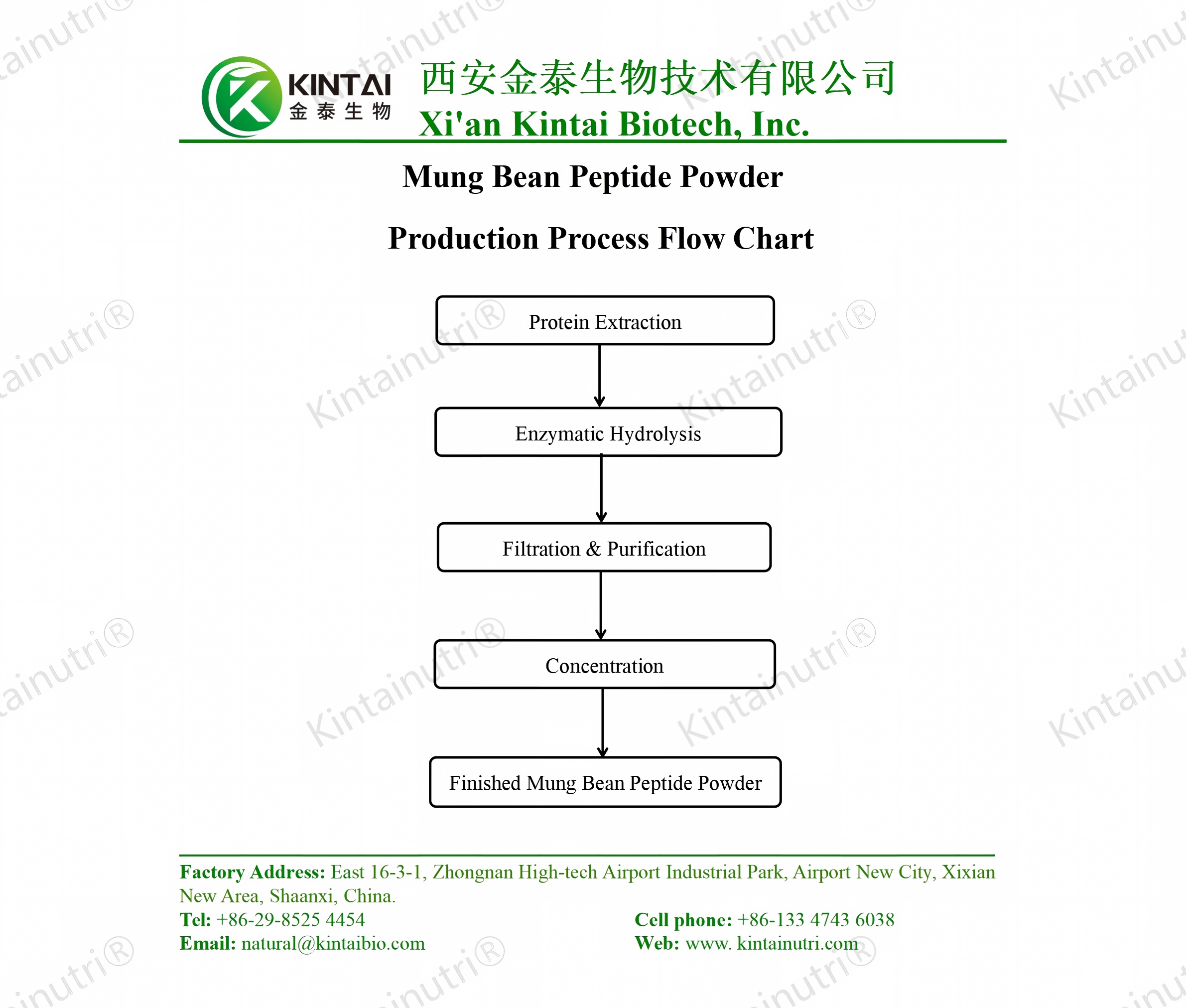
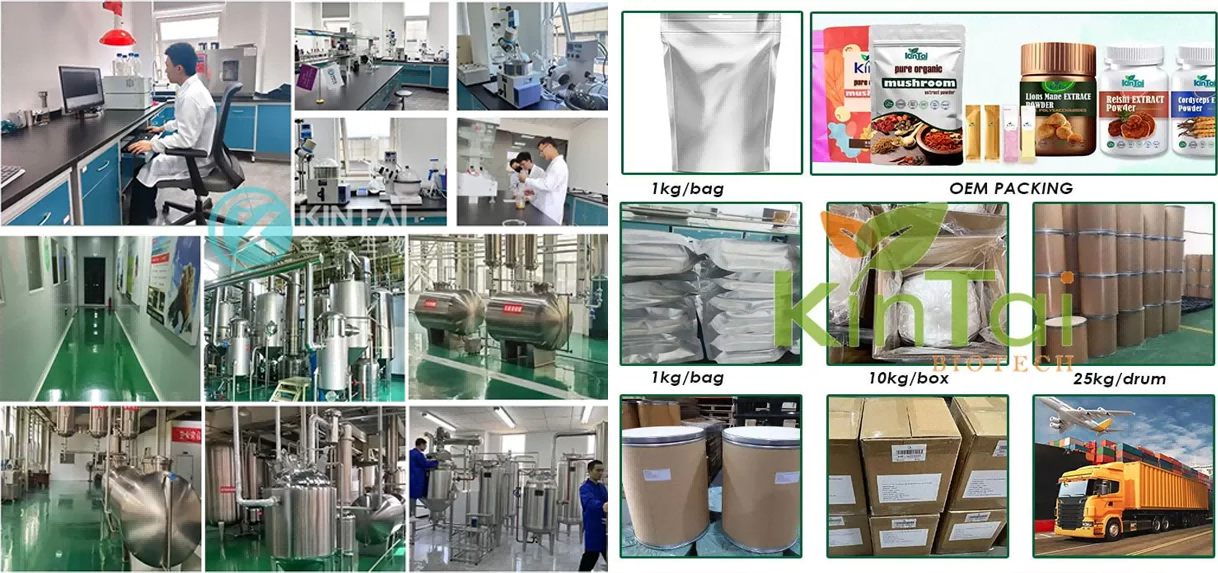
Kintainutri® produces mung bean peptides using a modern, targeted bio-enzymatic hydrolysis process. The process begins with high-quality mung bean protein powder, undergoing protein extraction and heat-denaturation pretreatment. Next, a composite enzyme system is introduced for efficient yet gentle hydrolysis, precisely cleaving large protein molecules into bioactive, small-molecule oligopeptides.
The product then undergoes multi-stage filtration and activated carbon decolorization/clarification, followed by deep desalting and purification via membrane separation technology. Finally, the supernatant is concentrated at low temperatures and subjected to instant spray drying, resulting in a high-purity, highly water-soluble, additive-free, premium mung bean peptide powder.
Regulatory Status Of Mung Bean Peptide Powder
FDA: In 2017, the U.S. FDA completed its GRAS (Generally Recognized As Safe) safety assessment for mung bean protein isolate (GRN 000684), concluding that it had no objection to the safety of the substance for its intended uses, such as in baked goods, beverages, dairy alternatives, and plant-based protein products. The product features a protein content exceeding 80% and controlled levels of heavy metals and microorganisms; furthermore, mung bean is not among the eight major U.S. allergens and has a long history of safe consumption, making it suitable for compliant use as a plant-based protein ingredient.
EFSA: In 2021, EFSA issued a safety assessment opinion on mung bean protein as a novel food, concluding, in accordance with EU Regulation (EU) 2015/2283, that it is safe under the proposed conditions of use. The assessment recognized the protein's high content (≥84%), digestibility, and balanced amino acid profile, noting that levels of anti-nutritional factors were comparable to those in other foods and that no additional toxicological testing was required. This opinion provides a regulatory reference and safety endorsement for the compliant use of mung bean protein in the EU market.
Mung Bean Peptide Powder Benefits
Antioxidant Activity
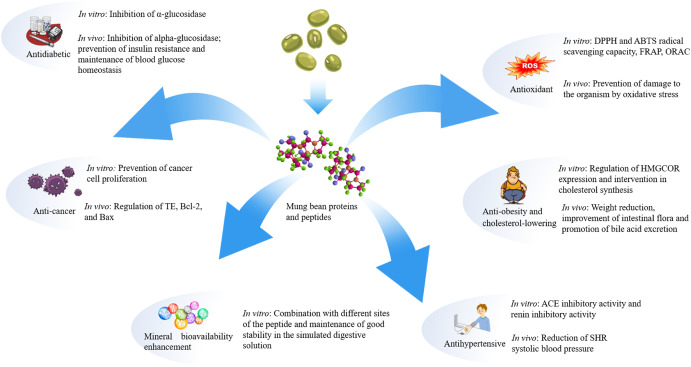
The antioxidant capacity of mung bean peptides increases significantly as molecular weight decreases; low-molecular-weight fractions demonstrate the most outstanding performance, outperforming larger fragments across various assays for free radical scavenging and reducing power. Enzymatic hydrolysis shortens peptide chains and enhances solubility, exposing more hydrophobic and aromatic amino acid residues that facilitate electron transfer to and stabilization of free radicals.
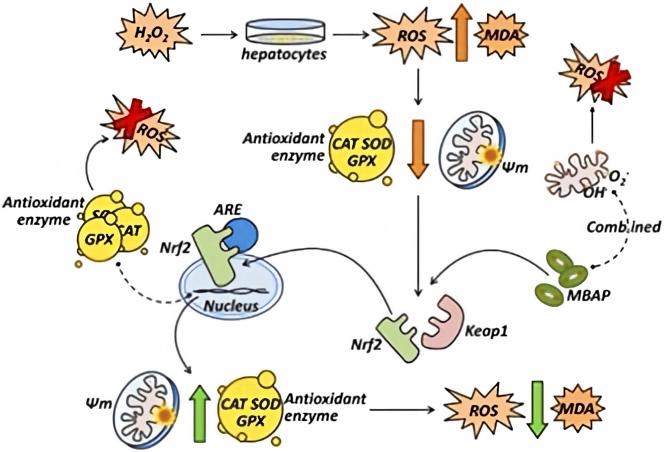
Mung bean peptides effectively scavenge intracellular free radicals, protect mitochondrial function, and restore cellular viability and morphology; they also significantly boost the activity of antioxidant enzymes such as SOD, GPx, and CAT while reducing levels of MDA, a marker of lipid peroxidation. Kintainutri® mung bean peptide powder is suitable for use as an ingredient in liver-protective and antioxidant functional foods, or as a natural antioxidant additive to retard lipid oxidation and extend food shelf life.
Anti-inflammatory Effects
Mung bean peptides exhibit multi-target anti-inflammatory potential. Their low-molecular-weight fractions demonstrate significantly stronger inhibitory effects on the cyclooxygenase and lipoxygenase pathways, two key inflammatory pathways, while also protecting proteins against heat-induced denaturation. These small-molecule peptides readily access enzyme active sites, binding to key residues via hydrogen bonding and hydrophobic interactions to block the production of pro-inflammatory mediators such as prostaglandins and leukotrienes.
Derived from a food source, mung bean peptide powder offers a superior safety profile with minimal side effects, making it an ideal natural anti-inflammatory functional ingredient for the formulation of health foods and dietary supplements targeting chronic inflammation.
Immune Modulation
The low-molecular-weight components of mung bean peptides exhibit a unique environment-dependent bidirectional immunomodulatory effect in macrophage models. Under inflammatory stimulation, they can inhibit the expression of pro-inflammatory factors and alleviate excessive inflammatory responses, while under normal conditions, they can moderately activate immune responses and provide immune priming.
After being rapidly taken up by cells, these peptides can modulate signaling pathways such as TLR4 and NF-κB. Cell experiments have shown good biocompatibility within the effective concentration range. Our mung bean peptide raw material provides a foundation for the development of immune-balancing and supportive products.
Liver-Protective Effects
Mung bean peptides exert liver-protective effects by protecting hepatocyte membranes and enhancing the endogenous antioxidant system. They help reduce lipid peroxidation damage to cell membranes while increasing the levels of superoxide dismutase (SOD) and glutathione (GSH), thereby strengthening the intrinsic antioxidant defense of hepatocytes.
Cell experiments have confirmed that mung bean peptides can significantly increase the survival rate of hepatocytes subjected to oxidative damage, with effects superior to those of high-molecular-weight fractions. The bioactivity of mung bean peptides supports their development as functional food ingredients for liver health.
Mung Bean Peptide Powder Uses
1. Functional Foods and Dietary Supplements
Used as a core bioactive ingredient in oral liquids, powders, capsules, and tablets targeting antioxidant support, liver protection, anti-inflammation, immune modulation, blood glucose management, and blood pressure regulation.
2. Gut Health and Metabolic Management
Supports gut barrier repair, gut microbiota modulation, and the improvement of insulin resistance and blood lipid levels; suitable for formulations addressing gut health, weight management, and pre-diabetes intervention.
3. Food Processing Ingredients
Leveraging excellent solubility, emulsification, foaming properties, and thermal stability, it serves as a plant protein fortifier and emulsifying stabilizer in beverages, baked goods, meat analogues, and plant-based foods.
4. Specialized Nutrition and Sports Nutrition
Highly absorbable small-molecule peptides; suitable for enteral nutrition products, post-operative recovery, and nutritional supplements for the elderly, as well as sports nutrition products such as protein powders and meal replacement powders.
Safety Of Mung Bean Peptide Powder
Mung bean peptides demonstrate a favorable safety profile at standard dosages, with no significant toxicity or serious adverse reactions observed. Cellular studies indicate high biocompatibility, while animal studies show no abnormalities in body weight or liver and kidney function in mice fed a normal diet. Mung beans are not classified as major allergens, hold FDA GRAS (Generally Recognized As Safe) status, and have a long history of safe consumption. Potential liver strain is a consideration only at high dosages; therefore, usage should be kept within safe and effective limits. Overall, as a natural plant-derived ingredient, mung bean peptides are well-tolerated and have minimal side effects, making them suitable for use in functional foods and dietary supplements.
Kintainutri® Mung Bean Peptide Powder Advantages
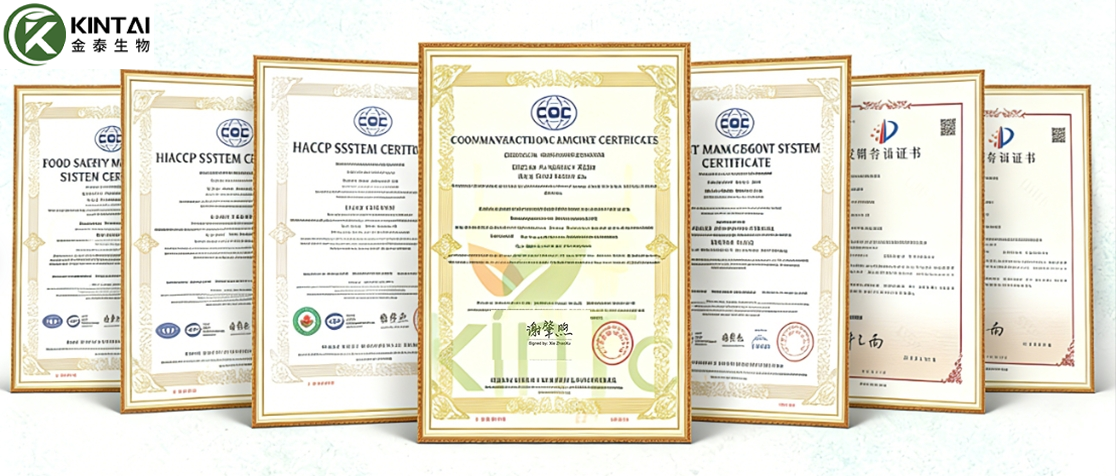
Kintainutri® Mung Bean Peptide Powder (98% purity) consists of high-purity proteins and peptides with a molecular weight of ≤500 Da; these small molecules are easily absorbed by the body. Backed by robust R&D and manufacturing capabilities, we ensure stable, reliable quality and full batch traceability for global clients. We look forward to collaborating with brands in the functional food, dietary supplement, and related sectors, and we offer sample requests, custom specifications, and bulk supply. Please contact us for the latest pricing and technical specifications.
FAQ
-
What does mung bean peptide powder do to your body?
-
What is mung bean peptide powder?
About Us