

Pharm Ingredients
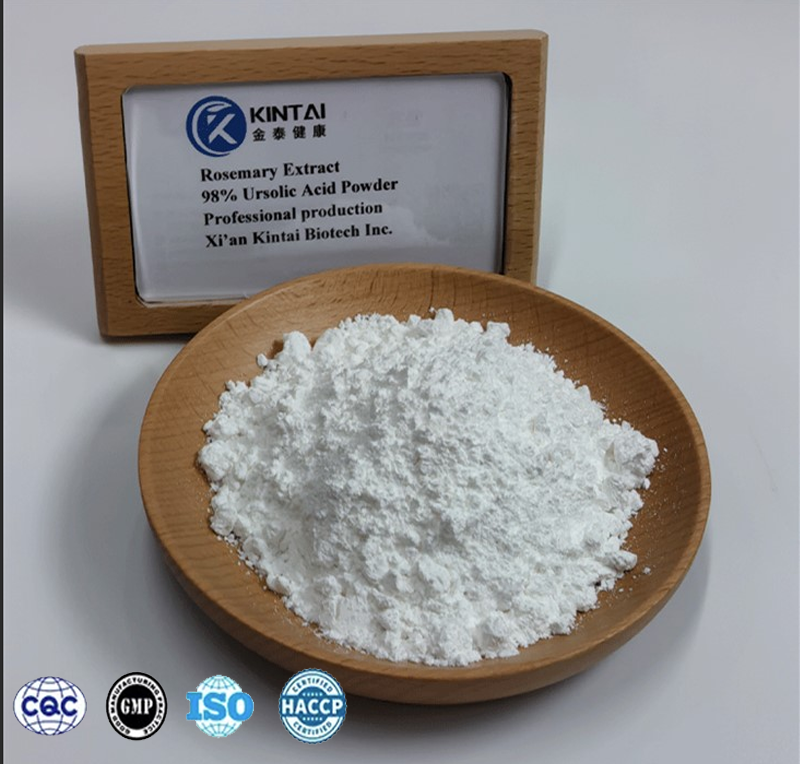
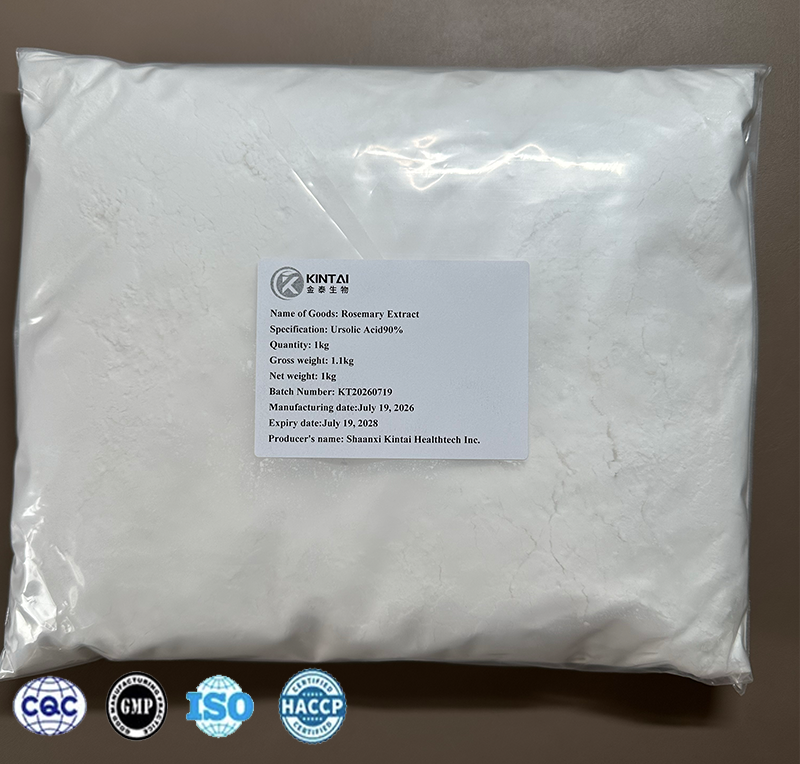
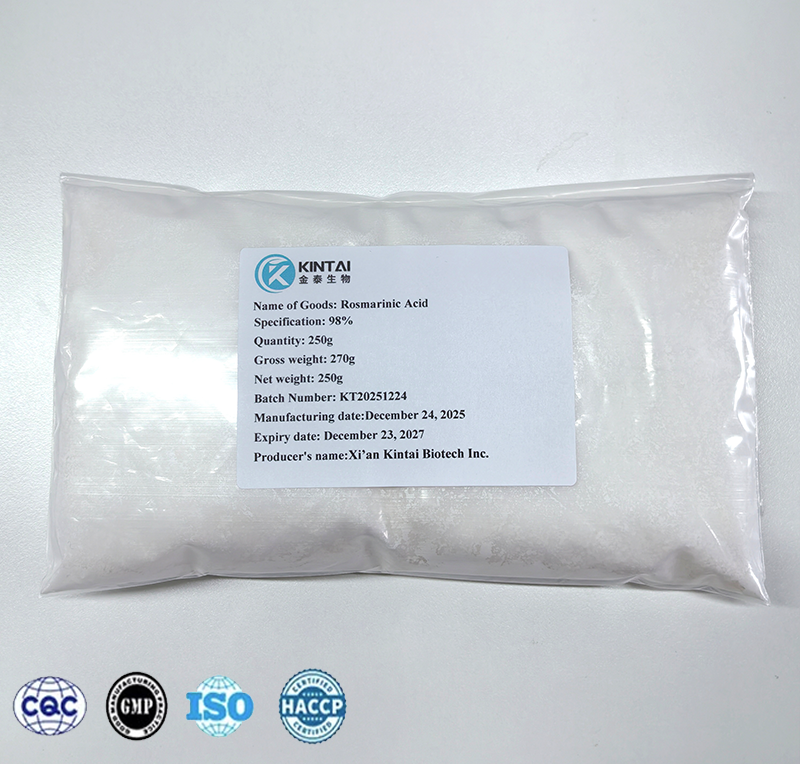
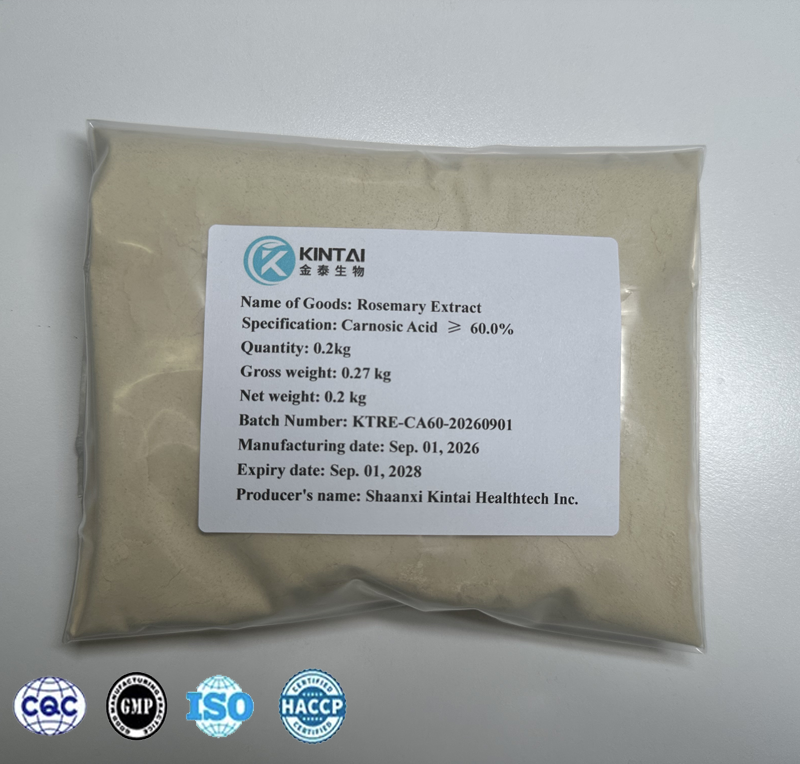

Rosemary Extract Powder
Rosemary Extract Powder Manufacturers
What Is Rosemary Extract?
As a Rosemary Extract Manufacturer, Kintainutri® provides high-quality rosemary extract powder derived from the leaves of rosemary (Rosmarinus officinalis L.), a Lamiaceae plant native to the Mediterranean region.
The product is rich in various active compounds, with multiple specifications available, including rosmarinic acid 5%–98%, carnosic acid 10%–95% (including oil-based forms), and ursolic acid 25%–98%, meeting diverse application needs across the food, dietary supplement, cosmetic, and pharmaceutical industries.
As a natural antioxidant, it offers superior performance to synthetic additives while also providing antibacterial and anti-inflammatory properties, and is approved for use in food in major markets worldwide. Bulk purchasing and customized specifications are supported.
| Plant Source | Product Name | Specification | Test Method |
|---|---|---|---|
| Rosmarinus Officinalis (Rosemary) Leaf |
Rosmarinic Acid | 5% | HPLC |
| 10% | HPLC | ||
| 20% | HPLC | ||
| 50% | HPLC | ||
| 98% | HPLC | ||
| Carnosic Acid | 10% (oil) | HPLC | |
| 20% | HPLC | ||
| 95% | HPLC | ||
| Ursolic Acid | 25% | HPLC | |
| 50% | HPLC | ||
| 80% | HPLC | ||
| 90% | HPLC | ||
| 98% | HPLC |
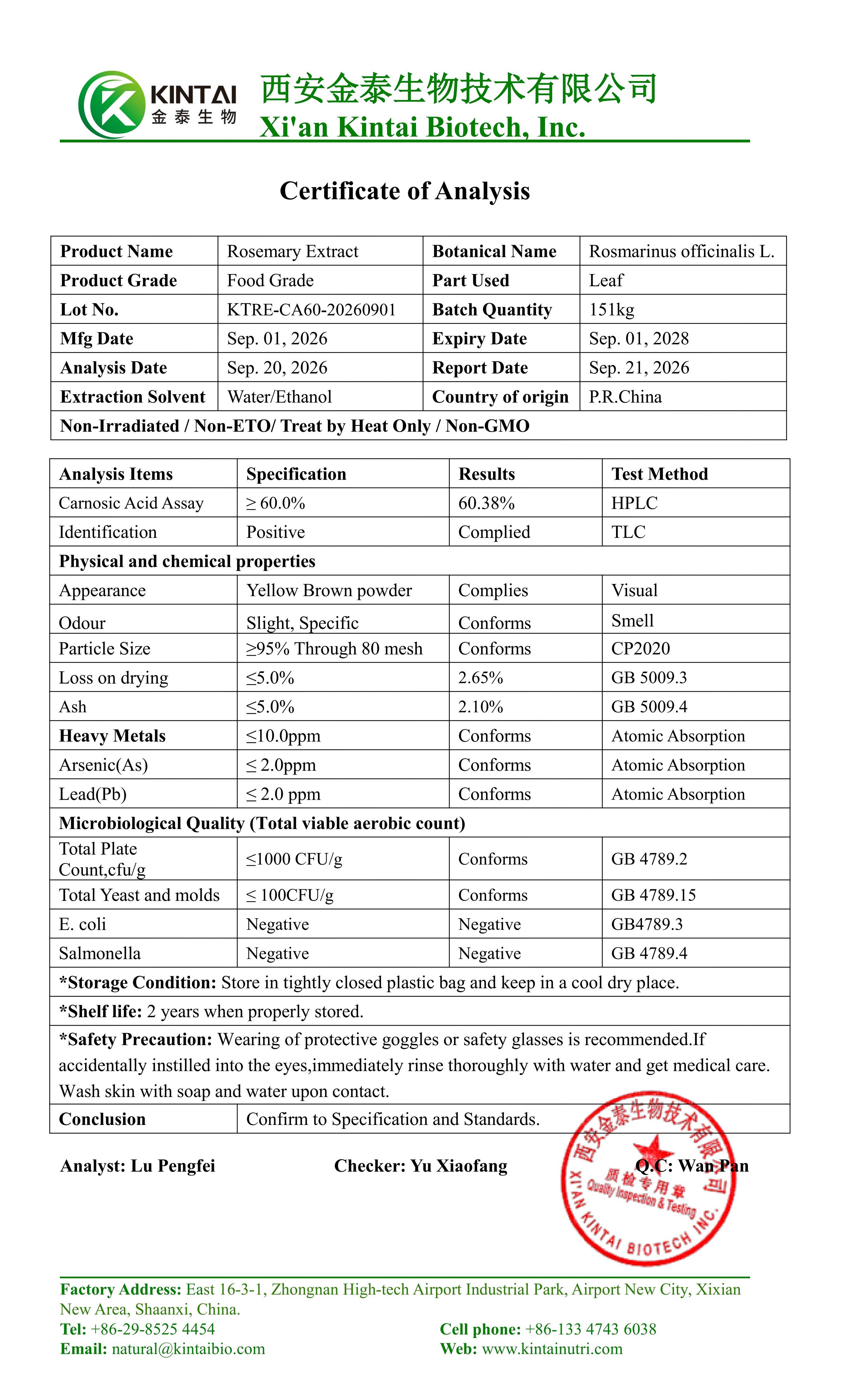
Rosemary Extract Powder COA
How To Make Rosemary Extract Powder?
Process Note: Industrial Process for Water-Soluble Rosmarinic Acid
1. Raw Material Pretreatment
The rosemary raw material is pulverized and sieved to obtain a uniform powder.
2. Biological Enzyme Fermentation (Enzymatic Cell Wall Disruption)
Biological enzymes are added to the raw material and mixed thoroughly. A citric acid/sodium citrate buffer solution is then sprayed onto the material to adjust the moisture content, followed by fermentation at an appropriate temperature. Enzymatic hydrolysis is used to disrupt the plant cell walls and promote the release of rosmarinic acid.
3. Ultrasonic Countercurrent Extraction
The fermented material is placed in a continuous countercurrent ultrasonic extractor, and an ethanol solution is added for extraction under controlled temperature conditions. The ultrasonic cavitation effect is used to enhance extraction efficiency.
4. Membrane Filtration + Polyamide Resin Purification
The extract is first filtered through an inorganic ceramic membrane to remove large particulate impurities. The filtrate is then transferred to a polyamide resin column.
First, petroleum ether is used for elution to remove lipophilic impurities.
Then, an acidic ethanol solution is used for elution, and the eluate containing rosmarinic acid is collected.
5. Concentration + Crystallization
The eluate is concentrated using a reverse osmosis membrane, and the concentrated solution is collected. Hydrochloric acid is then used to adjust the pH to an acidic level. After being placed at a low temperature, rosmarinic acid precipitates as crystals.
Rosemary Extract Powder Benefits
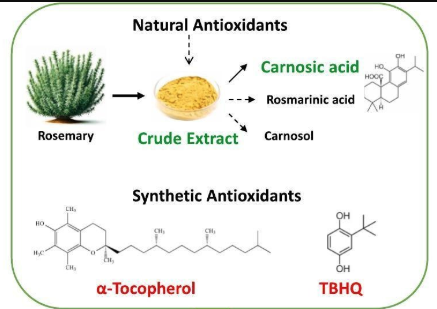
Rosemary extract exhibits potent antioxidant activity. Its key constituents, including carnosic acid, carnosol, ursolic acid, rosmarinic acid, and oleanolic acid, work synergistically to effectively scavenge free radicals and inhibit lipid oxidation.
Research confirms that its antioxidant capacity surpasses that of individual components and demonstrates significant hepatoprotective effects. As a natural antioxidant, rosemary extract inhibits oil and fat oxidation and extends the shelf life of meat products; widely used in food preservation, dietary supplements, and cosmetics, it serves as a high-quality natural alternative to synthetic antioxidants.
Rosemary leaf extract can promote hair growth through multiple mechanisms: inhibiting 5α-reductase activity (with an inhibition rate of up to 94.6%), blocking the binding of DHT to hair follicle receptors to reduce follicular miniaturization; promoting scalp microcirculation to improve nutrient supply to hair follicles; reducing follicular inflammation and oxidative damage through anti-inflammatory and antioxidant effects; and extending the anagen phase to optimize the hair growth cycle.
Clinical studies show that its effects are comparable to those of 2% minoxidil, with fewer side effects. Kintainutri®'s rosemary extract powder is a high-quality natural ingredient for developing hair loss prevention and hair growth products.

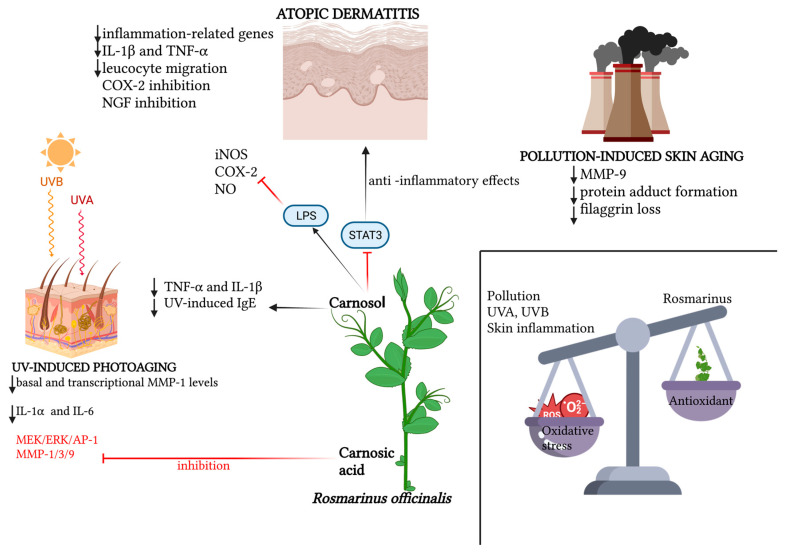
Rosemary leaf extract offers multiple benefits for the skin: it provides potent antioxidant activity to protect against skin aging caused by UV exposure and pollution, reduce wrinkles, and improve elasticity; it has anti-inflammatory and soothing effects to improve sensitivity, redness, and dermatitis; it has antibacterial and antimicrobial properties to help control acne and skin infections; and it can also promote wound healing and collagen production.
The core active ingredients of Rosmarinus Officinalis Leaf Extract powder, including carnosic acid, rosmarinic acid, and ursolic acid, work synergistically, making it a high-quality natural ingredient for developing anti-aging, soothing, and skin-repair skincare products.
Rosemary extract can enhance mitochondrial energy metabolism efficiency, increase hepatic ATP levels, and help mothers cope with the high energy demands of late pregnancy; reduce oxidative stress and lipid peroxidation damage; enhance the body's antioxidant defense capacity; and protect liver function while reducing liver enzyme levels, thereby providing multiple benefits during late pregnancy.
Its core active ingredients, carnosic acid and rosmarinic acid, work synergistically to help improve metabolic adaptation during pregnancy. It is suitable for the development of pregnancy nutrition supplements and animal health ingredients, helping to support maternal health and reproductive performance.

What Is Rosemary Extract Powder Used For?
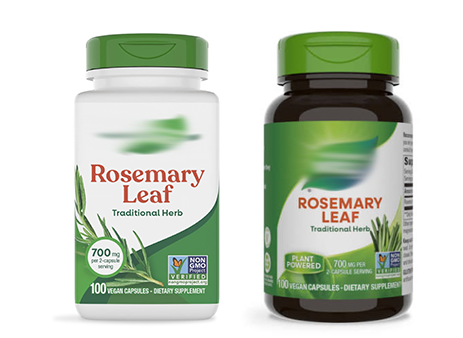
Thanks to its unique physiological properties, rosemary extract has become a popular ingredient in the health food sector. In European and North American markets, it is widely used in various nutritional tablets and capsule formulations for its ability to provide antioxidant benefits, support gastrointestinal health, soothe the mind, maintain stable blood pressure, protect brain tissue against free radical damage, and enhance the body's resilience to environmental stress; it also frequently serves as an antioxidant additive in fish oil dietary rosemary extract supplements.
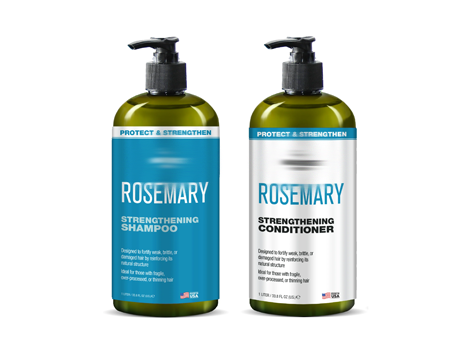
Rosemary extract is a popular natural active ingredient in hair care products. Rich in carnosic acid and rosmarinic acid, it offers excellent antioxidant and antimicrobial properties. When incorporated into shampoos and conditioners, it soothes the scalp, inhibits harmful microorganisms, and mitigates oxidative stress, helping to maintain scalp homeostasis and improve the scalp's microenvironment.
Additionally, it reduces lipid oxidation and enhances formula stability while lending a natural, plant-based appeal to the product; it is frequently used in oil-control and soothing hair care formulations.
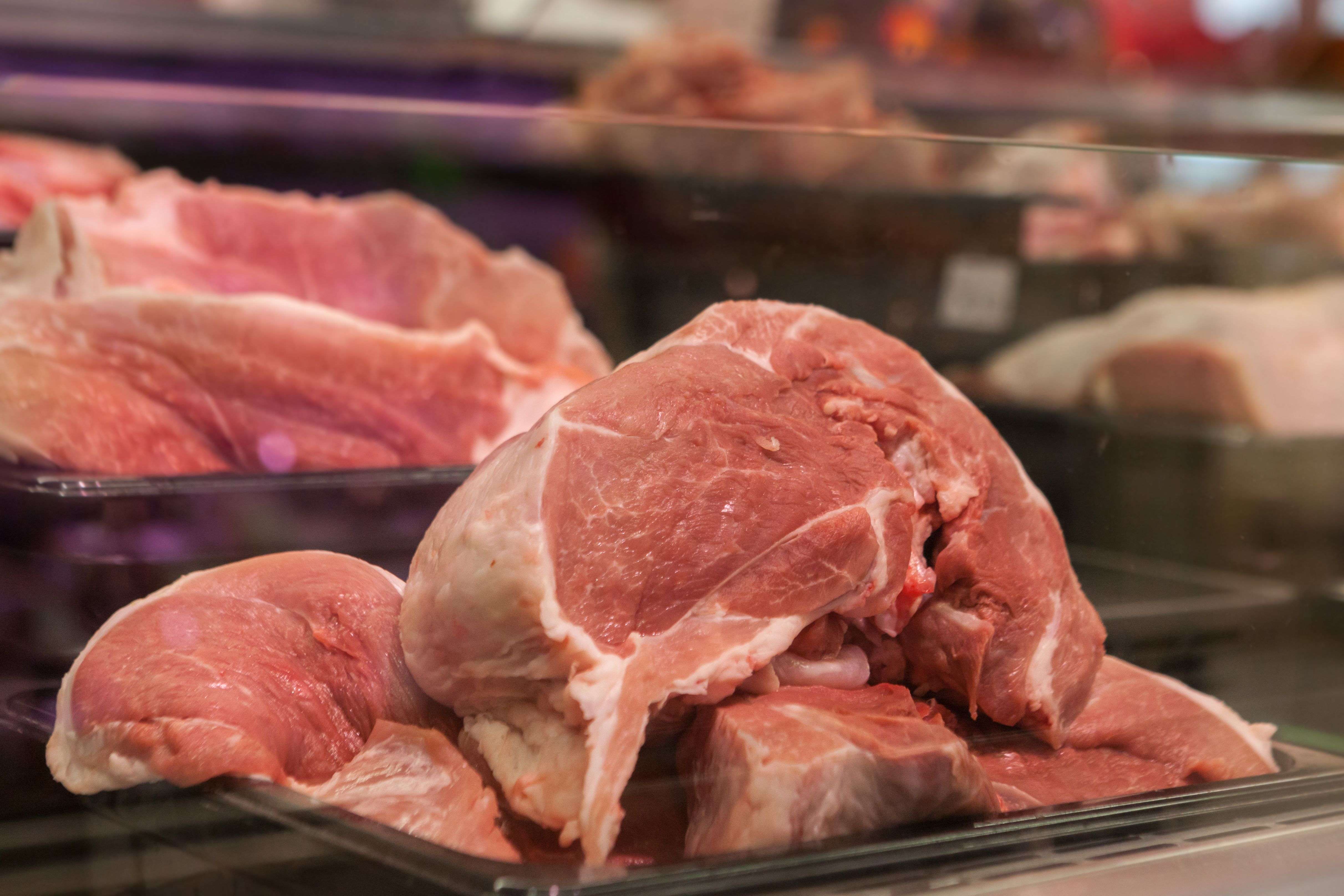
Rosemary extract (RE) is a recent application in food preservation because it can prevent oxidation and microbial contamination. Rosemary extract is a high-quality natural food preservative with both antioxidant and antibacterial properties. In terms of antioxidant activity, carnosic acid and carnosol contribute approximately 90% of its antioxidant capacity and can effectively scavenge free radicals and inhibit lipid oxidation, with better performance than synthetic antioxidants such as BHT.
In terms of antibacterial activity, it significantly inhibits Staphylococcus aureus, Escherichia coli, Candida albicans, and Listeria monocytogenes. It can be added to lamb, pork patties, poultry, and fresh beef to delay oxidation, inhibit microbial growth, extend shelf life, and improve sensory quality. It is suitable for natural preservation solutions in meat products, oils and fats, and food preservation applications.
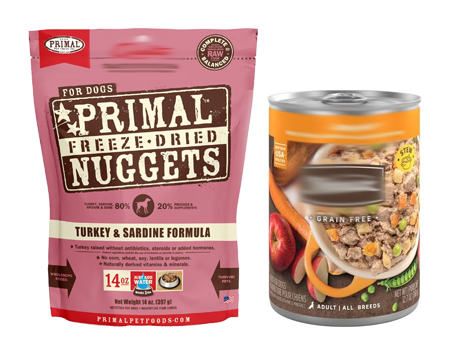
Rosemary extract in dog food offers multiple benefits as a natural feed additive: it provides antioxidant effects by scavenging free radicals and activating the Nrf2 pathway to protect cells from oxidative damage; it has anti-inflammatory effects by inhibiting the NF-κB pathway and reducing inflammatory factors
It has antibacterial effects by inhibiting harmful bacteria and promoting the proliferation of beneficial bacteria to improve gut health; it promotes energy, protein, and lipid metabolism to improve feed conversion efficiency and growth performance; it helps maintain the quality and shelf life of animal-derived products; and it may reduce methane emissions from ruminants. It is suitable for the development of natural plant-based feed additives for antibiotic-free animal farming.
Is Rosemary Extract Powder Safe?
Existing research indicates that rosemary extract powder has a good overall safety profile. For humans, it is approved by the EU as a food additive (E392) and is non-genotoxic, although high doses may cause skin and eye irritation. Regarding antiviral activity, rosemary extract shows potential for inhibiting various enveloped viruses; however, research in this area remains limited, and further clinical validation is required. Overall, it is safe and reliable when used at recommended dosages.
For animals, EFSA has confirmed that rosemary extract can be safely used as an antioxidant feed additive, with safe inclusion levels of up to 300 mg/kg in dog food and 50 mg/kg in cat food, with no mutagenicity. Toxicological assessments have shown no genotoxicity and an adequate margin of safety. Its antioxidant efficacy has been recognized under EU food additive regulations, and it can provide similar antioxidant effects in pet food, extending product shelf life and protecting fats and proteins from oxidation. It is suitable for natural antioxidant solutions for pet food.
Rosemary Extract Powder Dosage
| Application Field | Recommended Dosage |
|---|---|
| Animal Feed | 100–500 g per ton of complete feed |
| Dietary Supplements | Several tens of mg daily (based on carnosic acid) |
| Oil Antioxidation / Cosmetics & Personal Care | 0.05%–0.5% |
Where To Buy Rosemary Extract Powder?
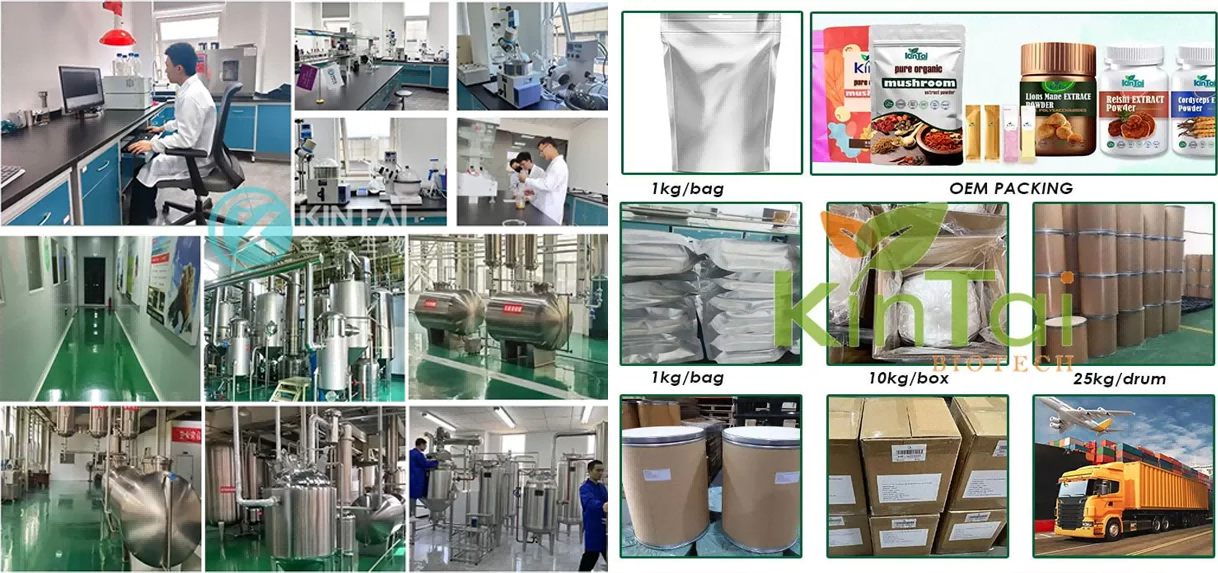
Kintainutri® specializes in the research, development, and production of rosemary extract, offering multiple specifications of rosemary extract powder products in stock, including rosmarinic acid 5%–98%, carnosic acid 10%–95% (including oil-based forms), and ursolic acid 25%–98%. We provide stable and customizable plant-based raw material solutions for B2B customers worldwide.
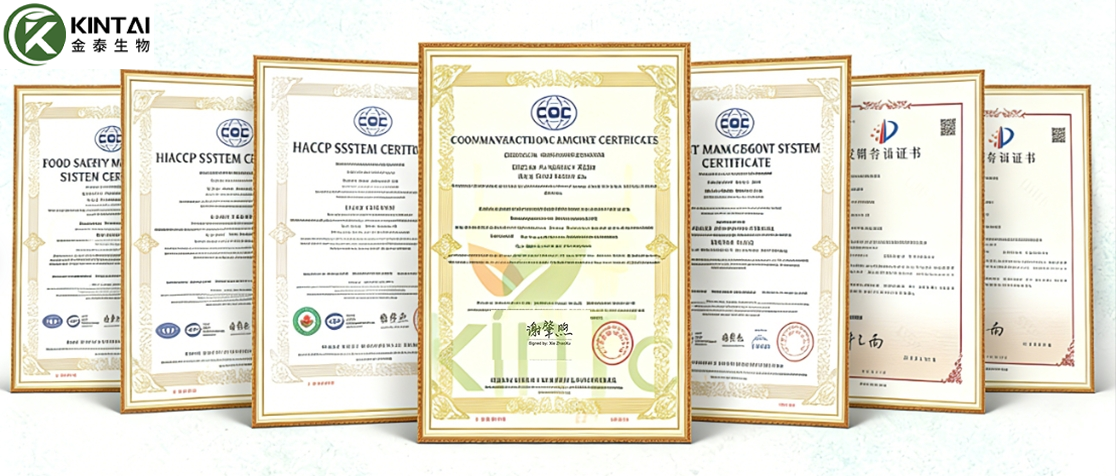
We support bulk purchasing, specification customization, and sample testing. Our products comply with international regulatory requirements and are widely used in food preservation, dietary supplements, cosmetics, animal feed, and other fields. Supported by standardized production processes and a strict quality control system, we ensure consistent and reliable active ingredient content in every batch. Contact us for quotations, technical documents, or sample support.
Reference:
[1]: https://www.sciencedirect.com/science/article/pii/S2405654525001829
[2]: https://pmc.ncbi.nlm.nih.gov/articles/PMC13313799/
[3]: https://pubmed.ncbi.nlm.nih.gov/41630600/
[4]: https://pmc.ncbi.nlm.nih.gov/articles/PMC10045493/
[5]: https://pmc.ncbi.nlm.nih.gov/articles/PMC8513767/
[6]: https://efsa.onlinelibrary.wiley.com/doi/10.2903/j.efsa.2022.6978
FAQ
-
Is rosemary extract powder safe for dogs?
-
Is rosemary extract powder safe for cats?
About Us