

Cosmetic Ingredients
S-Equol Powder
S-Equol Powder Manufacturers
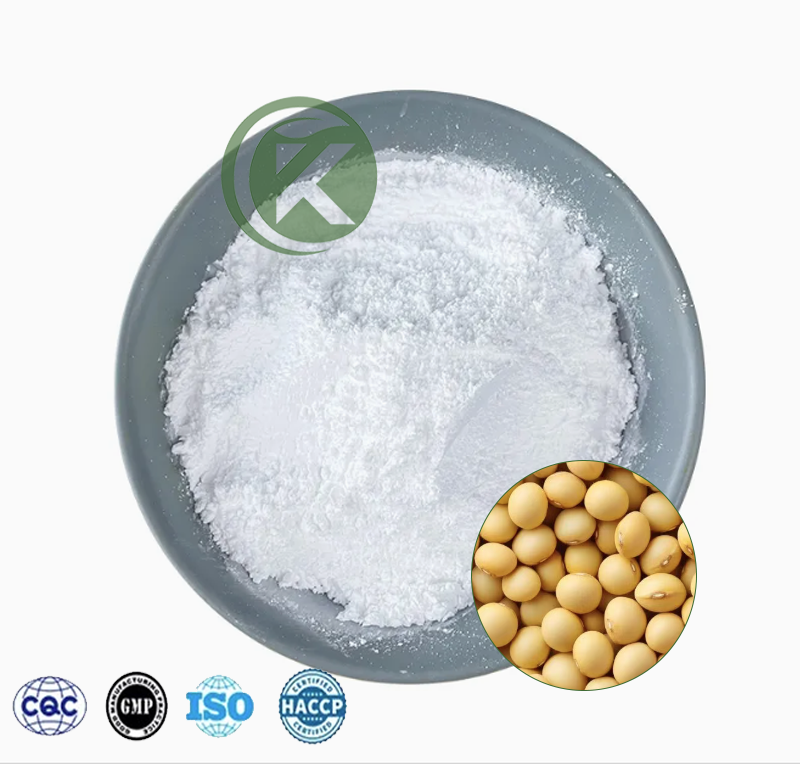
Kintainutri® S-Equol powder is a highly active intestinal metabolite of soy isoflavones (CAS 531-95-3). It features ≥98% purity (verified by HPLC) and a chiral purity that meets the standards for the endogenous human S-configuration. S-Equol demonstrates unique value in clinical research areas such as menopausal health, metabolic balance, and prostate support. Adhering strictly to GMP standards, Kintainutri® supplies premium raw materials subject to comprehensive batch testing, facilitating the precise development of functional foods and dietary supplements while providing trusted plant-based active ingredient solutions to global B2B clients.
S-Equol and Equol
The sole biological source of equol is the metabolic conversion of soy isoflavones (daidzin/daidzein) by specific bacteria in the human and animal gut. Through a three-step reduction process, gut microbiota sequentially convert daidzein into dihydrodaidzein and tetrahydrodaidzein, ultimately producing equol. All equol generated via bacterial conversion exists in the S-equol configuration; as there are no other synthetic pathways in the human body, only individuals harboring these specific gut bacteria (approximately 25%–50% of the population) possess the ability to endogenously produce equol.
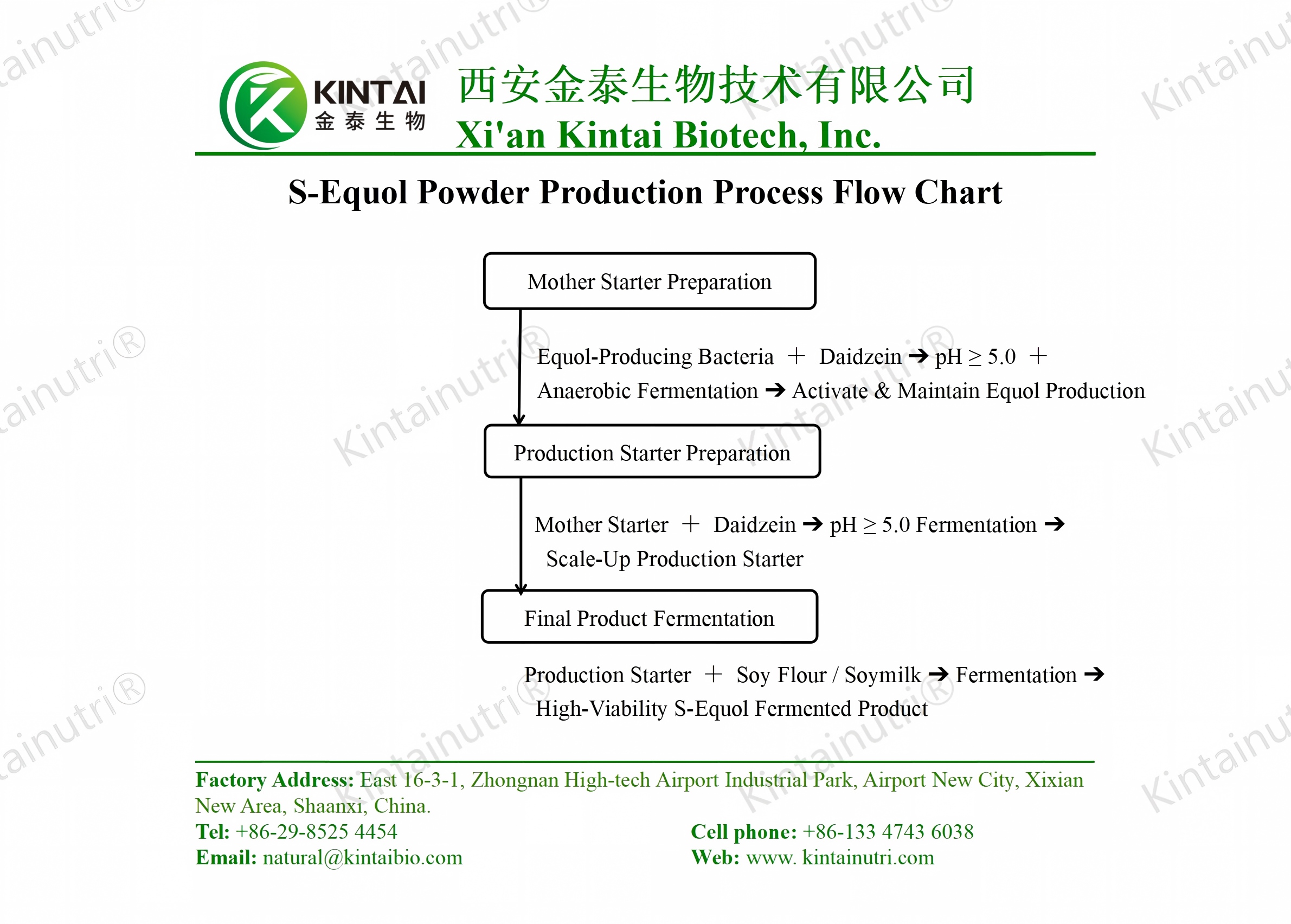
This also means that commercially available equol raw materials are produced through microbial fermentation or biotransformation processes, resulting in products with the same configuration as endogenous equol found in the human body and consisting entirely of high-purity S-equol.
S-Equol Powder Specification
| Test Item | Standard | Test Method |
|---|---|---|
| Appearance | White powder | Visual observation |
| Purity | NLT 99% | HPLC |
| Mesh size | 100% pass 100 mesh | Sieve |
| Melting point | 189‑190℃ | USP<741> |
| Optical rotation | [α]D<(-)21° (c=5.0g/l, ethanol) | USP<781> |
| Loss on drying | NMT 1% | USP<731> |
| Residual solvent (ethanol) | NMT 200 ppm | USP<467> |
| Arsenic | NMT 1.0 ppm | USP<233> |
| Lead | NMT 1.0 ppm | USP<233> |
| Mercury | NMT 1.0 ppm | USP<233> |
| Cadmium | NMT 1.0 ppm | USP<233> |
| Total Heavy Metals | NMT 10.0 ppm | USP<233> |
| Total Viable Aerobic Count | NMT 1000 CFU/g | USP<61> |
| Total Yeast and Mold Count | NMT 100 CFU/g | USP<61> |
| Total Coliform | NMT 100 CFU/g | AOAC |
| Salmonella | Negative | USP<62> |
| S. aureus | Negative | USP<62> |
| E. coli | Negative | USP<62> |
How To Make S-Equol Powder?
S-Equol Powder Benefits
S Equol Hair Growth
Equol promotes hair growth by activating dermal papilla cells. As a potent estrogen receptor beta (ERβ) agonist, equol may prolong the anagen phase of hair follicles and inhibit the activity of dihydrotestosterone (DHT), a key pathogenic factor in androgenetic alopecia. Its antioxidant properties may also help mitigate oxidative stress-related damage in hair follicles and improve the scalp microenvironment.
Clinical observations indicate that formulations containing equol can improve hair elasticity, luster, and manageability in postmenopausal women, demonstrating its potential for differentiated applications in hair loss interventions and scalp care products.

S-Equol Weight Loss
S-equol has been shown to significantly reduce glycated hemoglobin (HbA1c), low-density lipoprotein cholesterol (LDL-C), and the cardio-ankle vascular index (CAVI) in overweight and obese populations, with these effects potentially mediated through the estrogen receptor beta (ERβ) pathway.
These findings suggest its potential for supporting blood glucose regulation, improving lipid metabolism, and reducing cardiovascular risk. Notably, 67.9% of overweight and obese individuals are non-producers of equol, with women in this subgroup appearing to derive greater benefits. This suggests that exogenous S-equol supplementation may help compensate for insufficient endogenous equol production, serving as a key differentiating selling point for Kintainutri® equol powder as a functional ingredient targeting individuals with metabolic syndrome.
Equol Prostate
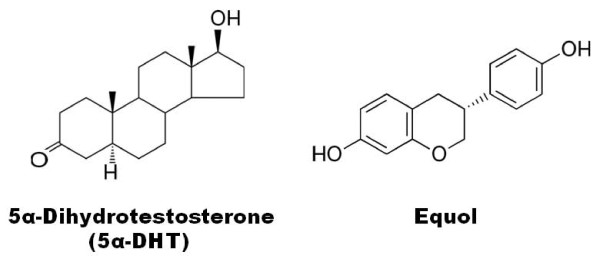
Equol selectively inhibits androgen-mediated prostatic hyperplasia by binding to and antagonizing dihydrotestosterone (DHT), without significantly affecting testosterone, estradiol, or luteinizing hormone levels. Existing as both R- and S-isomers, equol exhibits a high binding affinity for 5α-dihydrotestosterone and may function as a selective modulator of androgen signaling. It inhibits the proliferation of human prostate cancer cells (LNCaP) by blocking the androgenic effects mediated by 5α-dihydrotestosterone, which drive increased prostate-specific antigen (PSA) expression.
Additionally, equol has been shown to significantly reduce serum 5α-dihydrotestosterone levels, thereby decreasing prostate weight without significantly interfering with testosterone levels. Equol powder therefore holds potential value for nutritional interventions targeting DHT-related conditions, such as benign prostatic hyperplasia (BPH).
S Equol For Skin
S-equol is an active metabolite produced through the metabolism of soy isoflavones by gut microbiota. In postmenopausal women, elevated S-equol levels are associated with reduced fine lines around the eyes, a strengthened skin barrier, decreased transepidermal water loss, and increased skin hydration, with particularly pronounced benefits observed in older postmenopausal women. As a potential active ingredient for addressing menopause-related skin aging, S-equol powder holds significant promise for applications in the beauty and skincare industry.
What Is S-Equol Powder Used For?
S Equol Supplement
Daily supplementation with 10 mg of S-equol serves as an effective dietary strategy for managing menopausal symptoms in postmenopausal women. A 12-week intervention with an S-equol menopause supplement significantly alleviated core symptoms, such as hot flashes and neck and shoulder muscle stiffness, and was well tolerated, with no serious adverse reactions reported. For individuals seeking the best S-equol supplements for menopause support, exogenous S-equol supplementation offers a distinct form of nutritional support, particularly for those unable to naturally produce equol, serving as a potential alternative or adjunct to hormone replacement therapy.
Equol Cream
Topical application of a 0.3% Equol Cream once daily significantly improves signs of facial skin aging. Equol stimulates the production of collagen and elastin while inhibiting matrix metalloproteinase-mediated degradation, offering both antioxidant and anti-inflammatory benefits. It achieves synergistic, multi-pathway repair by binding to epidermal ERβ receptors and antagonizing the adverse effects of dihydrotestosterone on the skin. Daily oral administration of 6 mg also yields comprehensive improvements in skin parameters with good tolerability, making equol an active ingredient with strong scientific backing and differentiated advantages in the skincare sector.
S-Equol Powder & Soy Isoflavones
| Comparison Dimension | Daidzein | S‑Equol |
|---|---|---|
| Core Positioning | Basic plant‑derived raw material | High‑activity functional ingredient |
| Target Population | General population (depends on gut microbiota conversion, individual‑variable effects) | Ideal for natural "equol non‑producers" (approx. 50%‑70% of population) |
| Mode of Action | Indirect (requires in‑vivo bioconversion) | Direct (no conversion required, fast‑acting) |
| Efficacy Precision | Low (large individual differences) | High (stable & predictable performance) |
| Key Application Fields | Conventional soybean extracts, basic nutritional supplements | Targeted health products (menopause, bone health, metabolism, skin care) |
| Cost | Relatively low | Relatively high |
S-Equol Powder Side Effects
Equol demonstrates a favorable safety and tolerability profile in humans at exposure levels consistent with standard dietary intake and supplementation (≤10 mg/day). Multiple randomized controlled trials involving postmenopausal women and overweight or obese individuals have reported no serious adverse events associated with equol, and no clinically significant changes were observed in clinical parameters such as liver and kidney function or complete blood counts.
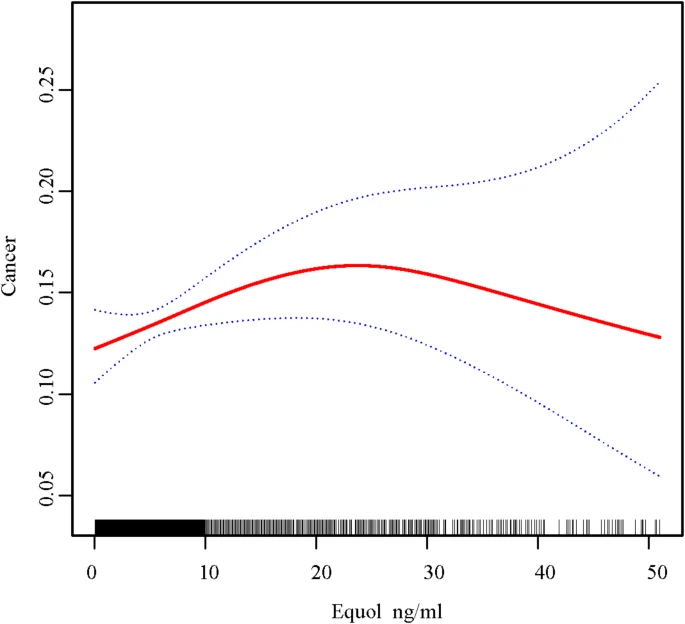
However, an inverted U-shaped, non-linear association exists between urinary equol concentrations and cancer risk in individuals over the age of 40: at lower concentrations, rising equol levels correlate positively with increased cancer risk, whereas beyond a certain threshold, a trend toward a weak negative correlation emerges, suggesting a potential concentration-dependent shift in equol's impact on cancer.
At low concentrations, equol may exert a pro-carcinogenic effect, potentially through mechanisms such as partial estrogen receptor activation, whereas at high concentrations, it may exhibit anti-carcinogenic properties through pathways such as antioxidation, the induction of apoptosis, and the induction of autophagy in cancer cells.
Where To Buy S-Equol Powder?
Kintainutri® is dedicated to providing high-quality, scientifically validated active ingredients. Our S-equol powder is produced through a strictly controlled fermentation process, with a purity of ≥98% and a chiral configuration identical to that of endogenous human S-equol. Each batch undergoes rigorous testing, including HPLC analysis, to ensure safety and consistent quality. Choosing Kintainutri® means partnering with a trusted provider. We remain committed to the functional ingredient sector, providing robust support for product innovation and working together with global customers to promote the sustainable development of the health industry.

*Kintainutri® Promise All Products: Non-Irradiated / Non-ETO/ Treat by Heat Only / Non-GMO
Reference:
FAQ
-
What are the benefits of taking equol?
-
What is S-equol powder?
About Us