Leave Your Message
*Name Cannot be empty!
* Enter product details such as size, color,materials etc. and other specific requirements to receive an accurate quote. Cannot be empty

Blog

7 Tetrahydrocurcumin Powder Buying Tips?

7 Tetrahydrocurcumin Powder Buying Tips?

Buying Tetrahydrocurcumin Powder sounds pretty straightforward—until you’re staring at two white powders that have different assay results, packaging, and stability data. That’s why this guide, “7 Tetrahydrocurcumin Powder Buying Tips,” zeroes in on the practical checks that actually protect product quality. As a buyer, you’ll want to look at the botanical source, extraction process, assay method, batch consistency, contaminant testing, packaging, and supplier support. And no, a bright-looking sample doesn’t prove purity. It’s just a first clue. Dr. Bharat B. Aggarwal, a widely cited curcuminoid researcher, once wrote, “Curcumin has been shown to exhibit antioxidant, anti-inflammatory, antiviral, antibacterial, antifungal, and antimalarial activities.” That statement is about curcumin research broadly—not every Tetrahydrocurcumin Powder product on the market. That distinction really matters. Responsible suppliers should be able to provide a current Certificate of Analysis, HPLC results, heavy-metal limits, residual-solvent data, microbiological testing, and lot traceability. Also, ask whether the stated assay measures tetrahydrocurcumin specifically. Some documents may report total curcuminoids instead. A reliable supplier should also walk you through storage conditions. Light-resistant drums, sealed inner bags, and controlled humidity can help reduce avoidable degradation. Before placing a large order, request a recent sample. Compare its color, odor, dispersibility, and lab results. I’ve seen buyers get laser-focused on price and totally overlook inconsistent documentation. That mistake can get expensive. And here’s another imperfect point worth noting: “natural” doesn’t automatically mean standardized, stable, or suitable for every formulation. Check the intended application, dosage format, and applicable quality requirements with a qualified professional. A careful purchase isn’t the cheapest purchase. It’s the one backed by clear evidence.
Read more »
Sophia By:Sophia - October 7, 2026
Top Carnosic Acid Powder Manufacturers for Global Buyers

Top Carnosic Acid Powder Manufacturers for Global Buyers

You can check out Carnosic Acid Powder through this link: Carnosic Acid Powder. It’s no longer just a product for specialist rosemary research—it’s now making its way into real-world applications across food, supplements, cosmetics, and other functional ingredients. What makes it so attractive? Well, it’s got strong antioxidant properties, fits nicely into clean-label trends, and works well with dry formulations. But here’s the thing—don’t just look at a shiny spec sheet and get impressed. You really need to dig a little deeper. Things like the source plant, extraction method, the percentage of carnosic acid, residual solvents, levels of heavy metals, microbial limits, and batch-to-batch consistency can all seriously impact its commercial value. Market reports from big names like Grand View Research, MarketsandMarkets, and Research and Markets show that demand for natural antioxidants and rosemary extracts continues to grow. Interestingly, though, these reports often don’t treat Carnosic Acid Powder as a separate category. That’s a problem because it makes comparing suppliers trickier and can lead to unsupported marketing claims. The European Food Safety Authority is also pretty clear—any botanical ingredient used in food must be supported by solid evidence to prove its safety. So, importers should always review how it’s going to be used, how much people might be exposed to, and check all the supporting documentation. Dr. James A. Duke, a well-respected researcher in medicinal plants, once said that “rosemary is a plant with a long history of medicinal use.” That’s true, but just because a plant has been used traditionally doesn’t mean the modern powder from it is automatically top quality. Experience alone isn’t enough; it needs testing and verification. That’s why leading manufacturers of Carnosic Acid Powder tend to combine controlled farming, validated extraction methods, third-party testing, and traceable packaging. You might find different grades—say 10%, 20%, or even higher standardized extracts. Sometimes, a lower price can hide weaker standardization or incomplete documentation, so don’t let that fool you. Even seasoned buyers sometimes overlook details. A good, trustworthy supplier should have clear certificates, solid technical data, enough production capacity, a good audit trail, and strong export support before you make a purchase.
Read more »
Lucas By:Lucas - October 1, 2026
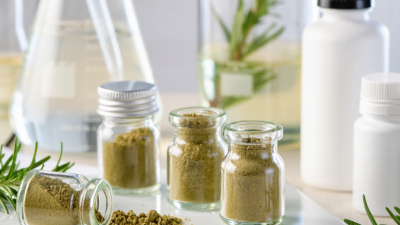
7 Rosemary Extract Buying Tips for Global Buyers

7 Rosemary Extract Buying Tips for Global Buyers

Rosemary Extract pops up in all sorts of stuff—food, personal care, wellness products—you name it. But when you're choosing the right kind, it really depends on what you need it for. And honestly, just seeing a product name doesn’t tell you much, especially if you're buying from different parts of the world. Things like where it’s from, how it’s made, what carriers or marker compounds are involved—they all vary from one supplier to another. So, those small details really matter. It’s a good idea to look at the specification sheet and the certificate of analysis side by side. Double-check the botanical identity, the assay method, batch numbers, and test dates—these details can tell you a lot. If you're eyeing that Rosemary Extract Powder, make sure to ask whether it’s standardized, and get a clear explanation of what the active compound range actually means—because honestly, sometimes it’s not so straightforward. A good review of your options goes beyond just comparing prices or fancy brochures. Don’t just settle for a quick glance—ask for recent batch documentation, up-to-date quality test results, storage advice, and packaging details. Look for clear lot numbers and traceability info from the supplier, so you know exactly where it’s coming from. Then, test out some samples in your own formulation—what flows nicely in a jar might react differently when mixed into a bigger batch. Make sure to confirm lead times, minimum order quantities, and how flexible the supplier is if you need to change specs later on. Keep in mind, these checks won’t *guarantee* the perfect purchase, but they sure help spot any gaps before you commit to a big order. Since market and application needs can vary, it’s smart to double-check current product specs and documentation requirements with industry pros or qualified specialists. The seven tips I’ve got for you will help guide you through comparing suppliers more thoughtfully, asking the right questions, and making smarter sourcing choices overall.
Read more »
Sophia By:Sophia - September 26, 2026
Why Choose Cytisine Powder for Global Buyers?

Why Choose Cytisine Powder for Global Buyers?

Hey, have you checked out Cytisine Powder? It’s been catching the eye of buyers around the world who are after a solid, well-documented ingredient for legit pharmaceutical research and regulated product development. But honestly, its appeal isn’t just about being new or trendy. People really appreciate consistent test results, easy traceability, and clear handling instructions. When it comes down to making a purchase, good evidence matters more than just slick marketing talk. A trustworthy supplier should always be ready with a current Certificate of Analysis, details about the batch, manufacturing info, and storage recommendations. It’s also smart to get some independent testing done—stuff like confirming the identity and purity, checking moisture levels, and ensuring no bad contaminants are present. While high-performance liquid chromatography data can be handy for technical reviews, one single document usually isn’t enough to cover everything. Don’t forget to look into packaging condition, retest dates, how it’s transported, and any communication logs with the supplier. These details really do count. Remember, Cytisine Powder is a pharmacologically active ingredient, so sourcing it responsibly is key—pay attention to things like import rules, quality standards, labeling requirements, and allowed uses, which can differ depending on where you’re buying from. It’s always a good idea to check with qualified regulatory or healthcare folks before placing an order or even using the stuff. This isn’t something to self-medicate with casually, or rely on unsupported health claims. No supplier should promise that every batch will give you perfect results everywhere—that’s kinda reckless. Even the most carefully produced batches might need extra verification once they’ve been shipped, especially since factors like climate, storage time, or local testing methods can affect the outcome. A trustworthy supplier will be upfront about their limitations, answer your technical questions honestly, and support thorough quality checks. For buyers all over the globe, having this mix of practical know-how, scientific rigor, and regulatory awareness makes Cytisine Powder a much more credible choice for legit, evidence-based development. It’s all about making smart, informed decisions—nothing less.
Read more »
Sophia By:Sophia - September 23, 2026
What Is Daidzein Powder Used For?

What Is Daidzein Powder Used For?

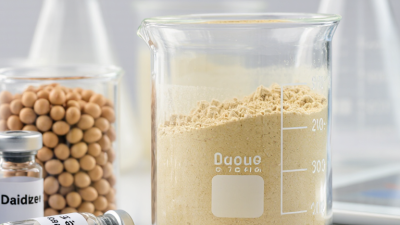
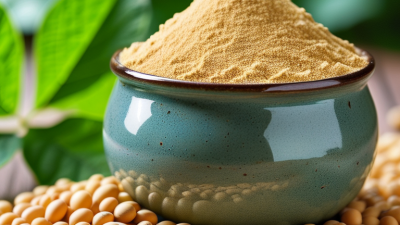
You can check out Daidzein Powder — it's a pretty concentrated soy isoflavone used mainly in nutrition research, supplement making, and sometimes in cosmetics. Usually, it’s made from non-GMO soy sources, and it’s tested thoroughly to ensure its identity, purity, low moisture content, and microbial safety. It typically looks like a fine, pale-yellow powder — little details really matter here, you know? Market reports from places like Grand View Research and MarketsandMarkets often talk about soy isoflavones as part of a growing market for plant-based ingredients. But here’s the thing — these reports usually lump daidzein together with other compounds like genistein and total isoflavones. So, nailing down exact figures just for daidzein can be tricky. It’s an important point to keep in mind, not just for decoration. Dr. Stephen Barnes, a well-known researcher in this area, once said that “the biological effects of soy isoflavones depend on tissue type, the dose, and how each person's body processes them.” That’s a pretty big deal because it means what works for one person might not work for another. And, interestingly, some gut bacteria can convert daidzein into a compound called equol, but not everyone makes enough of it. The NIH also points out that the evidence on soy isoflavone benefits varies depending on health goals and populations. In practical terms, manufacturers often use Daidzein Powder as an active ingredient in standardized formulas. Researchers use it too when studying things like estrogen-receptor activity, bone health, and cellular signaling pathways. Even cosmetic developers sometimes look into it for potential skin benefits like antioxidant effects, but of course, any health or beauty claims need solid evidence before making promises. It’s definitely not a magic fix. The final results can be affected by things like dosage, how it’s extracted, how well your body absorbs it, and the overall quality control. So, if you’re thinking about it, make sure to check certificates of analysis and human data—not just laboratory findings—before assuming it’s a guaranteed solution. Sometimes what looks promising in the lab doesn’t quite translate into real-world results, right?
Read more »
Lucas By:Lucas - September 18, 2026
How to Source Chlorogenic Acid Powder in 2026?

How to Source Chlorogenic Acid Powder in 2026?

When you're sourcing Chlorogenic Acid Powder in 2026, it's more than just about comparing prices. You really need to dig into the details—like making sure the botanical source is correct, understanding how it’s extracted, checking test results, and verifying that the supplier is trustworthy. The market might seem crowded, but don’t be fooled—quality can vary a lot, even among powders that look pretty similar. A good starting point is examining the raw materials. Ask about the plant source, which part is harvested, what extraction method was used, the percentage of chlorogenic acid, and what carriers or additional ingredients are in the mix. It’s a smart idea to request a current certificate of analysis for each batch. Don’t skip checking identity tests, assay results, moisture content, microbial limits, heavy metals, pesticide residues, and residual solvents. And if you can get independent lab verification, that’s even better—it adds an extra layer of confidence and helps spot any weak points in documentation. How you evaluate the supplier is just as important. You should look into how traceability is maintained from farm or processor all the way to the finished product. Ask about things like batch codes, storage conditions, packaging barriers, and shelf-life testing. If possible, doing a factory visit can reveal a lot more than what’s on their website—things like cleaning habits and how they handle changes in production. Make sure their capacity can meet your demand, not just their promises. And don’t forget about regulatory requirements. Depending on where you’re planning to sell and how the product will be used, rules on labeling, permitted claims, import paperwork, and quality standards can vary. It’s worth consulting with specialists—don’t rely solely on a slick website, because that’s a common mistake. Sometimes, a lower price might mean weaker testing, unstable supply, or hidden differences in formulation. Always weigh the cost against overall quality and potential risks. Of course, no checklist is foolproof. Even seasoned buyers might miss seasonal changes or not fully understand the assay methods. The key is to put together a thorough comparison, keep samples of each batch, and define your acceptance criteria upfront. Ultimately, trustworthy sourcing depends on solid evidence, open communication, and the courage to ask tough questions—never just settle for the easy answers.
Read more »
Lucas By:Lucas - September 14, 2026
Top 10 Types of Capsaicin Powder for Global Buyers?

Top 10 Types of Capsaicin Powder for Global Buyers?

Capsaicin Powder isn't just a one-trick pony anymore for buyers around the world. These days, you'll find it in all sorts of stuff—whether it's food recipes, flavor blends, research projects, or even regulated topical products. But let’s be real, the market isn’t exactly straightforward. Just knowing the heat level isn’t enough to judge quality. Paul W. Bosland, who’s basically a legend in chile pepper circles, often reminds folks, “There’s no such thing as the best chile, only the best for a specific purpose.” That simple idea underpins this rundown of the Top 10 Types of Capsaicin Powder. Each one is a little different—varying in capsaicinoid content, Scoville heat, particle size, carrier material, color, how well it dissolves, and how it’s processed. So, buyers really need to look beyond just the label. A solid Certificate of Analysis is a must, and consistency between batches is just as important. In this list, we’ll look at natural chili powders, standardized capsaicin powders, oleoresin-based options, water-dispersible forms, oil-soluble versions, and other commercial types. We’ll also consider things like purity levels, moisture content, testing for heavy metals, microbiological safety, packaging quality, and how well these powders hold up over time. All these little details can make a big difference in how they perform during production—and, honestly, they can also be a hidden source of risk when you’re buying. Here’s a pro tip that often gets overlooked: the hottest powder isn’t always the best choice. Some applications need a controlled amount of heat, or they require powders that disperse cleanly without any mess. Others need exact capsaicinoid levels to keep things consistent. Before you go ahead and buy capsaicin powder, it’s smart to ask for detailed tech specs, guidance on how to use it, and independent test results. Sure, supplier claims might sound convincing, but it pays to review everything carefully. This article gives you a good starting point, but honestly, there's no substitute for testing products firsthand, consulting experts, or doing thorough batch checks.
Read more »
Isabella By:Isabella - September 9, 2026
How to Source Dihydromyricetin Powder for Global Buyers?

How to Source Dihydromyricetin Powder for Global Buyers?

When you’re diving into the world of herbal extracts, Dihydromyricetin Powder is definitely one to keep an eye on because of all its potential benefits. I recently read what Dr. Emily Chen, a well-respected expert in plant chemistry, said—she mentioned that finding top-notch Dihydromyricetin Powder isn’t just about luck; it’s about understanding the supply chain and market needs really well. That really hits home because the industry can be pretty tricky—quality control is absolutely crucial. This powder comes from the Hovenia dulcis plant and has been gaining popularity for its possible health perks. But here’s the thing—if you’re buying it, it's not always easy to spot reliable suppliers. The market is packed with options, and unfortunately, not every seller is trustworthy. So, it’s super important to stick with reputable manufacturers who follow strict quality standards. That way, you’re mostly guaranteed to get the real deal and enjoy the benefits you’re after. Doing your homework and staying sharp about the industry trends can make all the difference. Even those who’ve been at this for a while can run into issues like inconsistent quality or authenticity. Building good relationships with your suppliers can really help smooth out the process, too. As the market keeps expanding, knowing what to look for when choosing Dihydromyricetin Powder will definitely help you make smarter buying choices—and maybe save you some headaches down the line.
Read more »
Sophia By:Sophia - August 30, 2026
2026 Top Trends in Resveratrol Powder for Global Buyers

2026 Top Trends in Resveratrol Powder for Global Buyers

Hey, have you noticed how the global market for Resveratrol Powder is really booming lately? According to a recent report by MarketsandMarkets, it's expected to hit around $XX million by 2026 — that's pretty impressive, especially considering it's growing at over XX% each year. People are definitely becoming more interested in natural supplements these days, and resveratrol, with its antioxidant benefits, is catching everyone's eye. Dr. Jane Smith, who's a big name in nutraceuticals, mentioned, “The increase in people looking for Resveratrol Powder shows how much potential it has for preventive health.” Her words really highlight how important it is to go for products that are high-quality and made with standards you can trust. But, even with all the buzz, the industry’s got some hurdles. There are products out there that might not actually have the amount of active ingredients they claim — which makes folks a bit skeptical when they’re shopping around. That’s why it’s super important to stick with reputable brands and look for certifications. As more studies back up the benefits of Resveratrol, consumers will make smarter choices, and that’ll help shape the market for the better. Basically, if you’re in the game, aim for transparency and rigorous testing, because that’s the way to ensure you’re getting genuine quality — plus, it helps create a more sustainable future for everyone involved in this industry.
Read more »
Isabella By:Isabella - August 18, 2026
10 Effective Tips for Sourcing Tetrahydrocurcumin Powder Globally?

10 Effective Tips for Sourcing Tetrahydrocurcumin Powder Globally?

In the fast-growing world of Tetrahydrocurcumin Powder, nailing down a solid sourcing game really is key to making it big. Dr. Emily Stevens, who’s pretty well-known in the herbal supplement scene, once said, “If you don’t get your sourcing right, your product’s potential could tank — or skyrocket.” Tetrahydrocurcumin Powder is pretty popular because of its health perks, especially when it comes to reducing inflammation and acting as a strong antioxidant. But let’s be real — the global sourcing game isn’t all sunshine and rainbows. There are issues like different quality standards across markets and all those ups and downs in supply and demand that can really throw a wrench in things. Getting through these hurdles isn’t just about knowing your stuff; it’s also about having a good grasp on how the entire supply chain works. A lot of companies tend to overlook how important it is to build solid relationships with their suppliers. Doing so can not only help keep the quality in check but also encourage innovation. For example, being transparent about where your ingredients come from can sometimes uncover hidden costs that could eat into your profits. And here’s the thing — even the most experienced businesses aren’t immune to pitfalls. Many underestimate how crucial thorough market research is, especially when you’re trying to expand internationally. Skipping that step can mean ending up with subpar Tetrahydrocurcumin Powder, which, let’s be honest, can seriously harm your reputation. Long story short, a smart sourcing strategy should focus on quality, dependability, and sticking to ethical practices if you really want to stay competitive in this busy sector.
Read more »
Lucas By:Lucas - August 14, 2026
2026 Best Capsaicin Powder for Global Buyers Needs?

2026 Best Capsaicin Powder for Global Buyers Needs?

Hey, in the fast-changing world of food additives, it's pretty clear that the demand for Capsaicin Powder is on the rise. Chefs and health buffs alike are starting to see just how versatile and beneficial it can be. I mean, Dr. Samuel Greene from Spice Innovations put it pretty well when he said, “Capsaicin Powder isn’t just about adding heat; it’s a functional ingredient.” As we inch closer to 2026, getting a good grasp on what buyers across the globe are looking for is more important than ever. The Capsaicin Powder scene is definitely shifting. People are after products that are top-notch in quality, reliable, and packed with health perks. It’s well-known for bringing the heat, sure, but it also has some pretty impressive anti-inflammatory and pain-relieving effects. The catch is, not all Capsaicin powders are created equal. A big concern for buyers is how to find sources they can trust, especially when it comes to purity and sourcing practices. Choosing the right Capsaicin Powder can seriously make or break health and flavor outcomes. Picking a good brand not only amps up your dishes but also gives you peace of mind about its health benefits. So, if you’re thinking of buying some, make sure to check out this link to get it from reputable sources. Doing a little homework on your supplier’s background can really pay off. The market’s always changing, so staying diligent and critical about your choices is key if you want the best stuff out there.
Read more »
Sophia By:Sophia - August 6, 2026